
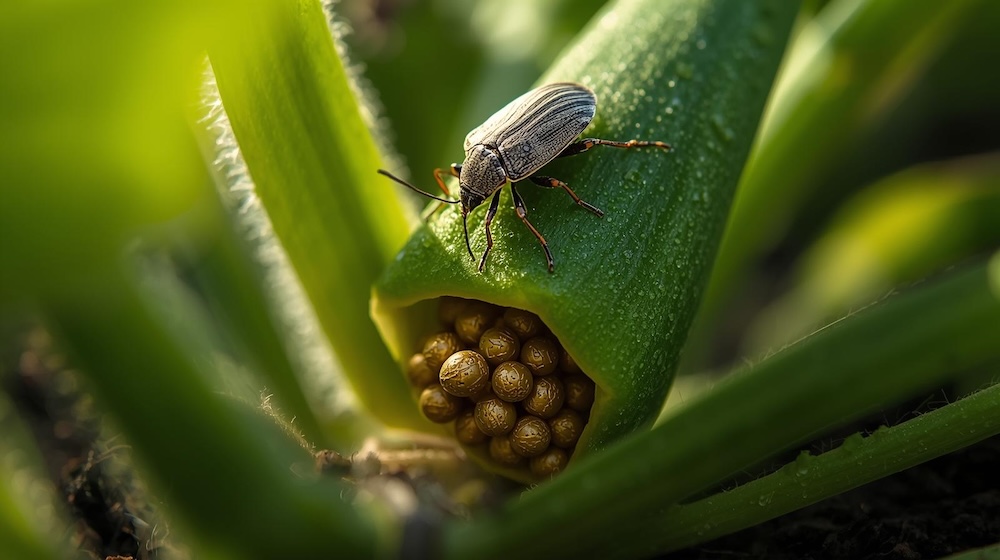
Squash bugs are one of the most frustrating pests in a home vegetable garden. If you grow zucchini, pumpkins, winter squash, cucumbers, cantaloupe, or watermelon, chances are you’ll eventually deal with them.
Left untreated, squash bugs can weaken plants quickly — especially young seedlings — and significantly reduce your harvest.
The good news? With early detection and the right organic control methods, you can protect your garden naturally.
What Are Squash Bugs?
Squash bugs are sap-sucking insects that target plants in the cucurbit family, including:
- Zucchini
- Winter squash
- Pumpkins
- Cucumbers
- Cantaloupe
- Watermelon
Adult squash bugs are grayish-brown and flat-backed. The younger nymphs are smaller and light gray.
They are most active in late spring and early summer when plants are young and tender.
What Does Squash Bug Damage Look Like?
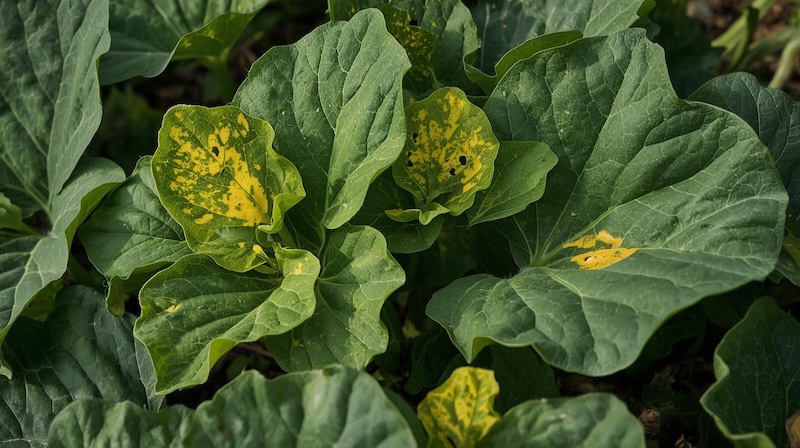
Squash bugs inject a toxin into plant leaves while feeding. This allows them to suck out plant sap and causes visible damage.
Common signs include:
- Small yellow or speckled spots on leaves
- Leaves turning brown and crispy
- Wilting even when soil is moist
- Blackened vines in severe cases
- Reduced fruit production
Young plants can die quickly from heavy infestations. Mature plants may survive but produce fewer squash.
How to Prevent Squash Bugs
The best squash bug control strategy is prevention. Here’s how to reduce the risk of infestation:
Clean Up Garden Debris in Fall
Squash bugs overwinter in dead vines, plant debris, and garden clutter. Remove and dispose of old squash plants at the end of the season.
Tilling lightly in fall can also reduce overwintering sites.
Practice Crop Rotation
Avoid planting squash in the same location every year. Crop rotation reduces pest buildup and improves overall soil health.
Grow More Resistant Varieties
Some squash types are less attractive to squash bugs, including:
- Acorn squash
- Butternut squash
Zucchini tends to be more vulnerable.
Companion Planting
Planting marigolds and nasturtiums around squash may help deter pests and attract beneficial insects.
Companion planting won’t eliminate squash bugs, but it can reduce pressure.
Avoid Heavy Mulch Early in the Season
Thick mulch creates hiding places for squash bugs. Use lighter mulch until plants are well established.
Inspect Plants Early in Spring
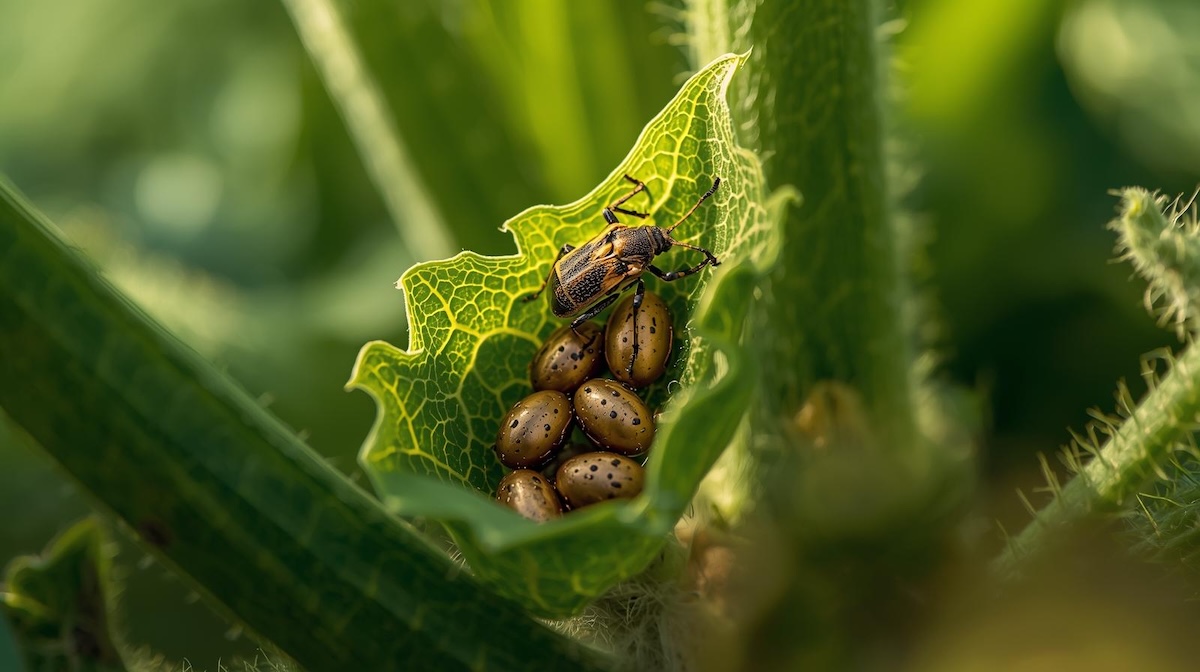
Early detection makes all the difference.
Check the underside of leaves for:
- Adult squash bugs
- Small gray nymphs
- Bronze or copper-colored egg clusters
Catching them early prevents a large infestation later.
One of the most effective preventative measures is using lightweight floating row covers early in the season to block squash bugs from laying eggs in the first place.
How to Get Rid of Squash Bugs Naturally
If you find squash bugs in your garden, act immediately.
Hand Removal (Most Effective Method)
This is the most eco-friendly and reliable solution.
-
Fill a bucket with water and a few drops of liquid dish soap.
-
Pick off adult bugs and drop them into the bucket.
-
Scrape egg clusters off leaves using a knife or firm object.
-
Repeat daily during peak season.
The soapy water prevents bugs from escaping.
It may seem tedious, but consistent removal is extremely effective.
A good pair of durable garden gloves makes hand removal much easier — especially when dealing with egg clusters and adult bugs hiding under leaves.
Diatomaceous Earth
Diatomaceous earth is made from fossilized microscopic organisms ground into powder. It damages insects’ outer shells and dehydrates them.
Sprinkle it directly on bugs and around the base of plants.
Best used in dry conditions. Reapply after rain.
Make sure you’re using food-grade diatomaceous earth and apply it with a garden duster for better coverage around the base of plants.
Organic Insecticidal Soap
Insecticidal soap kills squash bugs on contact. Pre-mixed organic insecticidal soap is convenient if you’re dealing with a larger infestation and need quick treatment.
Important to remember:
- It must hit the insect directly.
- It does not provide residual protection.
- It works best on young nymphs.
Spray in early morning or evening to avoid harming beneficial insects.
A small hand pump garden sprayer makes it much easier to apply insecticidal soap evenly under leaves where squash bugs tend to hide.
When Should You Use Pesticides?
Chemical pesticides are most effective when squash bugs are young (nymph stage). Once they mature into adults, insecticides are far less effective.
If choosing to use pesticides:
- Apply at night or early morning when bees are inactive.
- Follow all label instructions carefully.
- Confirm products are approved in your region.
Whenever possible, prioritize organic and pollinator-safe methods.
Frequently Asked Questions About Squash Bugs
What do squash bug eggs look like?
They appear as small bronze or copper-colored clusters on the underside of leaves, usually in neat groupings.
Can squash plants recover from squash bug damage?
Yes, if caught early. Mature plants can often recover from minor infestations with proper care.
Do squash bugs live in the soil?
They typically overwinter in plant debris and sheltered areas rather than deep in soil.
Does neem oil work for squash bugs?
Neem oil can help control young nymphs but is less effective against adult squash bugs.
Cold-pressed neem oil can help manage young squash bug nymphs when applied properly to the underside of leaves.
As a soap maker I always have Neem oil on hand and this is what I have used in my garden for Squash Bugs as well as aphids.
Final Thoughts on Squash Bug Control
Squash bugs can be aggressive, but they are manageable with consistent monitoring and early action.
The key steps are:
- Clean up garden debris
- Rotate crops
- Inspect plants frequently
- Remove bugs and eggs immediately
- Use organic treatments when needed
With regular attention, you can protect your zucchini, pumpkins, and squash and enjoy a healthy harvest.
Content on this site is for informational purposes only and reflects personal experience and research. Off-grid living laws and conditions vary by location, so readers should always verify local regulations before making decisions. Some links may be affiliate links, which help support this site at no additional cost to you.
Updated March 2026
© 2022 – 2026, Teresa. All rights reserved.