Going off-grid really means getting creative with how you meet your everyday needs—especially when you’re no longer relying on stores, banks, or digital payments. That’s where bartering and trading come in.
Swapping goods and services face-to-face, without money, is a practical skill that helps fill gaps in your supply chain. Whether you’re settling deep in the woods or just preparing for emergencies, learning how to barter can make a big difference. I’ve found that understanding the basics of off-grid bartering opens up opportunities—not just for getting what you need, but for building strong connections with others living a similar lifestyle.
Why Off-Grid Bartering Still Matters
Bartering has been around for a long time—long before credit cards or online banking ever existed. Even though most people rely on money today, bartering is starting to get more attention again, especially among those looking to live a more simply life or prepare for uncertain times.
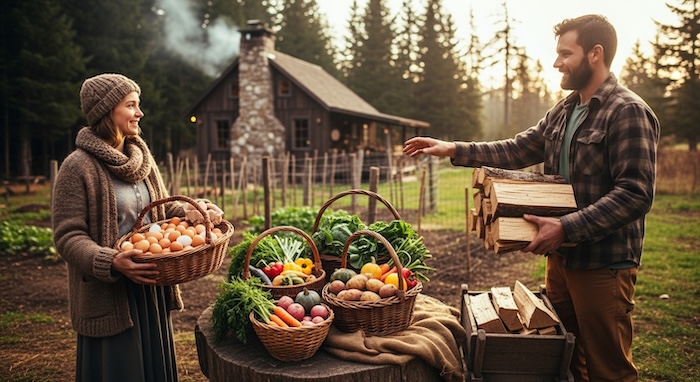
When you’re off-grid, practical goods and skills often matter more than cash. Think about trading firewood for eggs, eggs for fresh vegetables, or even helping someone repair a fence in exchange for supplies. These kinds of trades happen naturally when people are focused on self-sufficiency.
Plenty of people worry about what happens if ATMs stop working or stores run low on basics. That’s one reason many preppers, homesteaders, and off-grid families keep their bartering skills sharp. I’ve watched local swap groups, community boards, and even old-school trading meetups come back in style—and honestly, it doesn’t look like it’s slowing down.
Bartering keeps goods and skills circulating locally. It strengthens communities and helps everyone become a little more independent. It’s just as useful in everyday life as it is in emergencies.
If you’re already working toward self-sufficiency—like growing your own food or managing your own water supply—bartering fits right in. For example, extra produce or even knowledge about systems like water storage can become valuable trade items. I talk more about that in my post on off-grid water storage and managing supplies year-round.
Getting Started with Bartering and Trading Off-Grid
The main rule in bartering is simple: offer something useful.
Most people already have something they can trade—they just don’t always realize it at first. You might have extra eggs, honey, preserved food, or even just time and skills that someone else needs.
Start by asking yourself two questions:
- What do I have extra of?
- What do I need regularly?
From there, it gets easier to find matches.
Common Barter Items and Services

Here are some of the most useful things to trade off-grid:
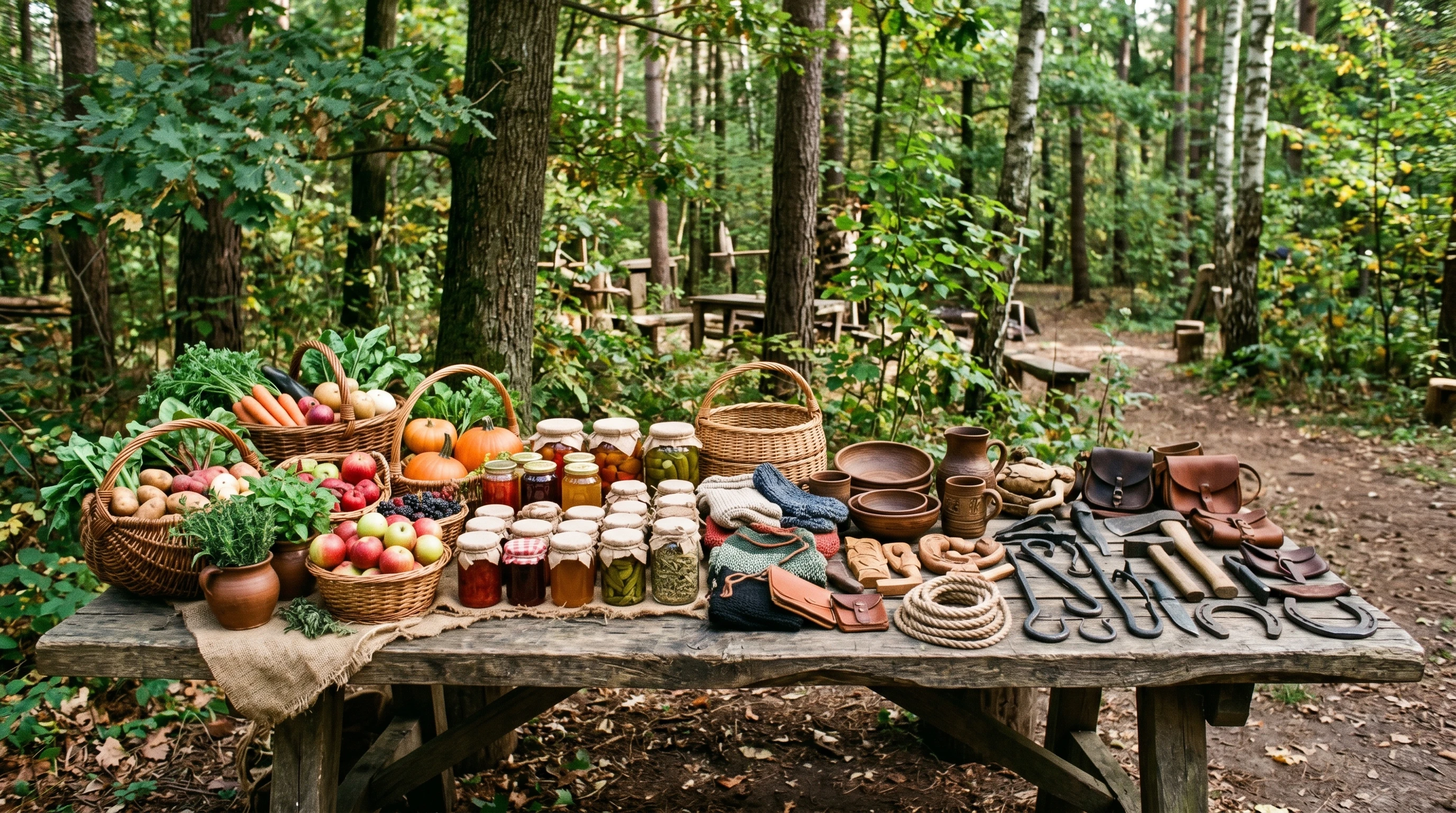
Food
Fresh eggs, vegetables, honey, and home-canned goods are almost always in demand. If you’re preserving food, having extra jars ready makes trading simple. Tools like a water bath canner for home food preservation can help you build up a good supply specifically for trading.
Firewood and Kindling
If you heat with wood, you already know how valuable dry, seasoned firewood is. Having extra on hand—properly stacked and stored—can be one of the easiest things to trade. (If you need help with that, I go into detail in my guide on how to store firewood for dry, hot fires all winter.)
Handmade Goods
Things like soap, candles, and herbal products are always useful. Handmade soap, in particular, is one of those items people are happy to trade for. If you’re making your own, using something like a silicone soap mold for cold process soap makes it easy to create consistent bars for trading.
Tools and Repair Work
Not everyone has every tool, but most people have at least a few. Lending tools or helping with repairs—small engines, fencing, or even basic carpentry—can go a long way in barter situations.
Gardening Skills and Supplies
Seeds, seedlings, compost, or even helping someone get their garden started are all valuable. In spring especially, these trades pick up quickly.
Animal Care and Livestock
Chicks, goats, eggs, milk, or even helping with feeding and chores can all be part of a barter system.
Practical Knowledge
Skills like canning, herbal remedies, carpentry, or off-grid setup are often just as valuable as physical goods.
How to Barter Successfully
Stepping into a system without money means being clear, fair, and flexible.
Here are a few things that make trades go more smoothly:
Know Your Value
Try to understand what your goods or services are worth in your local area. A dozen eggs might not equal ten pounds of potatoes, and that’s okay—as long as both sides agree.
Start Small
If you’re new to bartering, begin with simple trades. A jar of jam for a loaf of bread is a great place to start.
Build Trust
When trading with someone new, keep it low-risk at first. Trust builds over time through consistent, fair trades.
Keep a Record
For larger or ongoing trades, it helps to write things down. Even a simple notebook—like a homestead record-keeping log book—can help you keep track of agreements.
Expand Your Network
Look for local groups, bulletin boards, community events, or even small online groups where people trade goods and services.
Being flexible is important too. Not every trade will be perfectly equal, and sometimes combining smaller items or services is the best way to make things work.
Common Problems With Bartering (And How to Handle Them)
Bartering works well, but it isn’t perfect. These are the most common challenges I’ve seen:
Lack of Matching Needs
Sometimes you don’t want what the other person has—and they don’t want what you’re offering.
How to handle it:
Be patient, or involve a third person in the trade. In small communities, this happens more often than you’d think.
No Standard Value
Without money, value can feel a bit unclear.
How to handle it:
Talk it out openly. Many people use simple comparisons like “this equals a day of work” or “this equals three jars of honey.”
Divisibility Issues
Some things just don’t split easily.
How to handle it:
Combine trades, offer future work, or use simple IOUs to balance things out.
Is Bartering Legal?
Bartering is legal in most places, including Canada, the US, and the UK.
For small, local trades between individuals, there’s usually nothing to worry about. Where things can get a bit more complicated is with larger or ongoing trades—especially if they start to look like business transactions.
In those cases, it’s worth checking local regulations or talking to a tax professional. But for everyday off-grid bartering—trading food, firewood, or small services—it’s typically very straightforward.
Practical Tips for Setting Up Barter Networks
Strong barter systems don’t just happen—they’re built over time.
Here are a few ways to make it work:
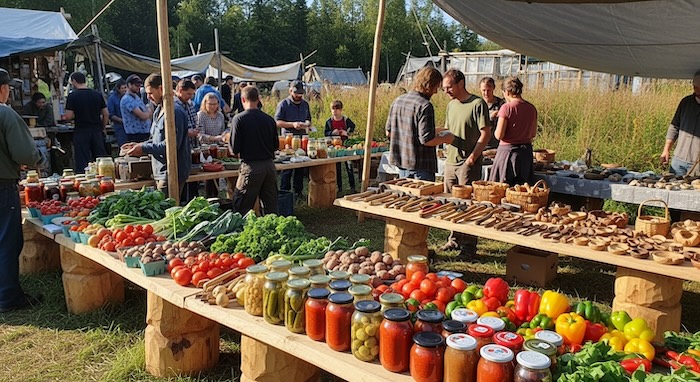
Host Community Swap Days
Invite neighbors to bring extra goods and see what can be traded.
Use a Simple System
A shared notebook or even a weatherproof outdoor bulletin board for homestead use can help keep track of offers and needs.
Stay Open-Minded
Some of the best trades come from unexpected combinations.
Set Clear Guidelines
If you’re organizing regular swaps, having a few simple rules keeps things fair and avoids confusion.
Trade Skills as Well as Goods
Not everything needs to be physical. Teaching someone how to preserve food or fix equipment can be just as valuable.
Useful Off-Grid Barter Items and Skills
Some things always seem to be in demand:
- Eggs, potatoes, beans, and preserved foods
- Firewood and kindling
- Small livestock
- Clothing repair or tool sharpening
- First aid or herbal knowledge
- Manual labor (fencing, gardening, hauling)
- Water collection and filtration skills
If you’re working on water systems, that knowledge alone can be a valuable trade. I cover more about that in my post on the best off-grid water filters and safe drinking water solutions.
Over time, you’ll notice seasonal patterns too—firewood in winter, seedlings in spring, preserved food in fall.
Frequently Asked Questions About Off-Grid Bartering
Is barter trade illegal?
No, most casual bartering is completely legal.
Is bartering making a comeback?
Yes. More people are looking for ways to become less dependent on traditional systems.
What are the three main problems with bartering?
Matching needs, agreeing on value, and dividing goods or services fairly.
Wrapping Up: Why Bartering and Trading Matter Off-Grid
Bartering isn’t just a backup plan—it’s a core part of off-grid living.
It helps you stretch your supplies, build relationships, and make better use of what you already have. The more you practice, the easier it becomes.
Over time, you’ll find that your skills, your resources, and your connections all start working together. And that’s really what off-grid living is about—building a system that supports you, even without relying on the outside world.
Content on this site is for informational purposes only and reflects personal experience and research. Off-grid living laws and conditions vary by location, so readers should always verify local regulations before making decisions. Some links may be affiliate links, which help support this site at no additional cost to you.
© 2026, Teresa. All rights reserved.
This was a very insightful article on the role of bartering and trading within off-grid communities. The discussion highlights how valuable practical skills, self-sufficiency, and strong community relationships can become in a more independent lifestyle.
I have seen smaller-scale exchanges work very effectively, particularly when people trade goods, services, or expertise in ways that benefit both parties. Beyond the economic aspect, bartering also seems to strengthen trust, cooperation, and long-term community connections. It would be interesting to hear more examples of successful barter systems or commonly traded skills within established off-grid communities. Thank you for sharing this informative perspective.
This is an excellent and well-balanced overview of how bartering supports both self-sufficiency and stronger community connections in off-grid living. I appreciate how you explained not only the practical side of trading goods and services, but also the importance of trust, flexibility, and local cooperation in making barter systems work long term. Your examples of valuable trade items and real-world challenges make the topic feel realistic and approachable for beginners. The article does a great job showing that bartering is more than an emergency strategy. It’s a sustainable lifestyle skill rooted in resilience and community support.
Growing up, I remember older family members trading services and homemade goods with neighbors instead of always using money, so it’s interesting seeing those ideas becoming popular again. In my opinion, bartering also creates stronger relationships because people are exchanging real skills and trust rather than just completing a transaction. Your article made the topic feel practical and realistic instead of something outdated or unrealistic. Have you personally used bartering in your own off-grid lifestyle, and if so, what kind of trades have worked out best for you?
I do use the barter system living off grid. I exchange my eggs with a neighbor down the road (lol I say down the road but actually about 7 km away). for goat cheese. I have also traded the homemade soap I made at the markets for plants, knitted items all kinds of things. So yes, we do use the barter system often.
This is such a timely and practical post. The bartering revival you’re describing is something I’ve noticed too, especially among homesteaders and preppers who are quietly building these local networks well before any emergency makes them necessary.
The point about practical knowledge being just as tradeable as physical goods really stood out. So many people underestimate what they know, such as canning, carpentry, and herbal remedies, and don’t realize those skills have genuine exchange value in a community economy.
Starting small with low-risk trades to build trust first is genuinely smart advice that most guides skip entirely. Jumping straight into large trades with someone you don’t know can create unnecessary friction and awkward situations.
The record-keeping suggestion is something I’ll be implementing immediately. Even casual trades deserve some documentation when they become ongoing arrangements.
Looking forward to the section on setting up actual barter networks, that’s where most off-grid guides tend to go quiet!
I think that we are slowly moving back into this system of things, battering and trading for supplies instead of buying, This is a brilliant idea and you have given some excellent advice on how to get it right, as you are right, we all have something to trade that somebody else needs.
I think you can never go wrong with having extra food to trade as this is a commodity that everyone needs.
Great article. I liked how you explained bartering not as something old-fashioned, but as a practical skill that can make off-grid living more resilient and connected. The part about knowing the value of your own skills really stood out to me, because trading is not only about goods like eggs, firewood, or garden produce. Useful knowledge, repair skills, and reliability can be just as valuable. I also agree that trust matters a lot in small communities. What do you think is the easiest thing for a beginner to start trading first: extra food, handmade items, or practical help?
The easiest things to barter are what you have and do. For me it was making soap and eggs from my chickens.
Bartering seems exciting and practical, especially if you live in the remote rural areas.
In small communities. it’s common to just ask for food or fruits or vegetables from your neighbor, direct from the tree.
I have experienced this in my grandparent’s small rural area. Even in my small town back home, if we need greens, we would ask from my aunt who has a garden. In return, we would give her a bowl of the food that we cooked . I believe this is informal bartering.
Thanks,
Marita
I believe you are right informal bartering. We do that as well.