
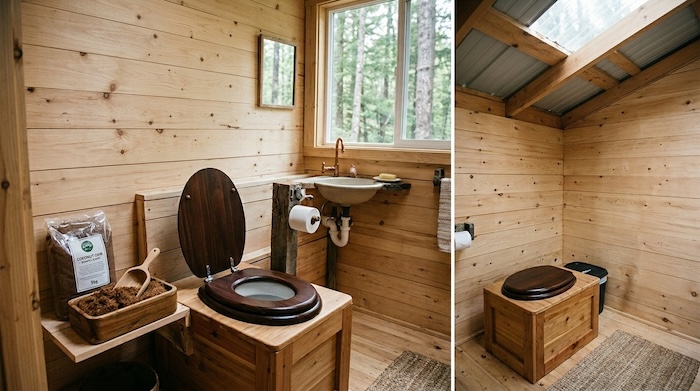
Composting Toilets for Off-Grid Living: Everything You Need to Know
Composting toilets are becoming one of the most popular solutions for off-grid living, and honestly, it’s easy to see why. Whether you’re setting up a rustic cabin, tiny home, van conversion, or full-time homestead, a composting toilet can simplify waste management while reducing water use and avoiding the need for expensive septic systems.
Without relying on plumbing or sewer hookups, these toilets make off-grid living far more practical in remote areas where traditional systems are difficult, expensive, or impossible to install.
After years spent living off-grid and talking with other cabin owners and homesteaders, I’ve seen composting toilets go from being something people were skeptical about… to becoming one of the most recommended off-grid bathroom solutions available today.
When they’re setup properly, they can be clean, surprisingly low-odor, environmentally friendly, and much easier to manage than many people expect.
This guide covers how composting toilets work, the different types available, the best models for off-grid setups, odor control tips, winter use, and the pros and cons you should know before buying one.
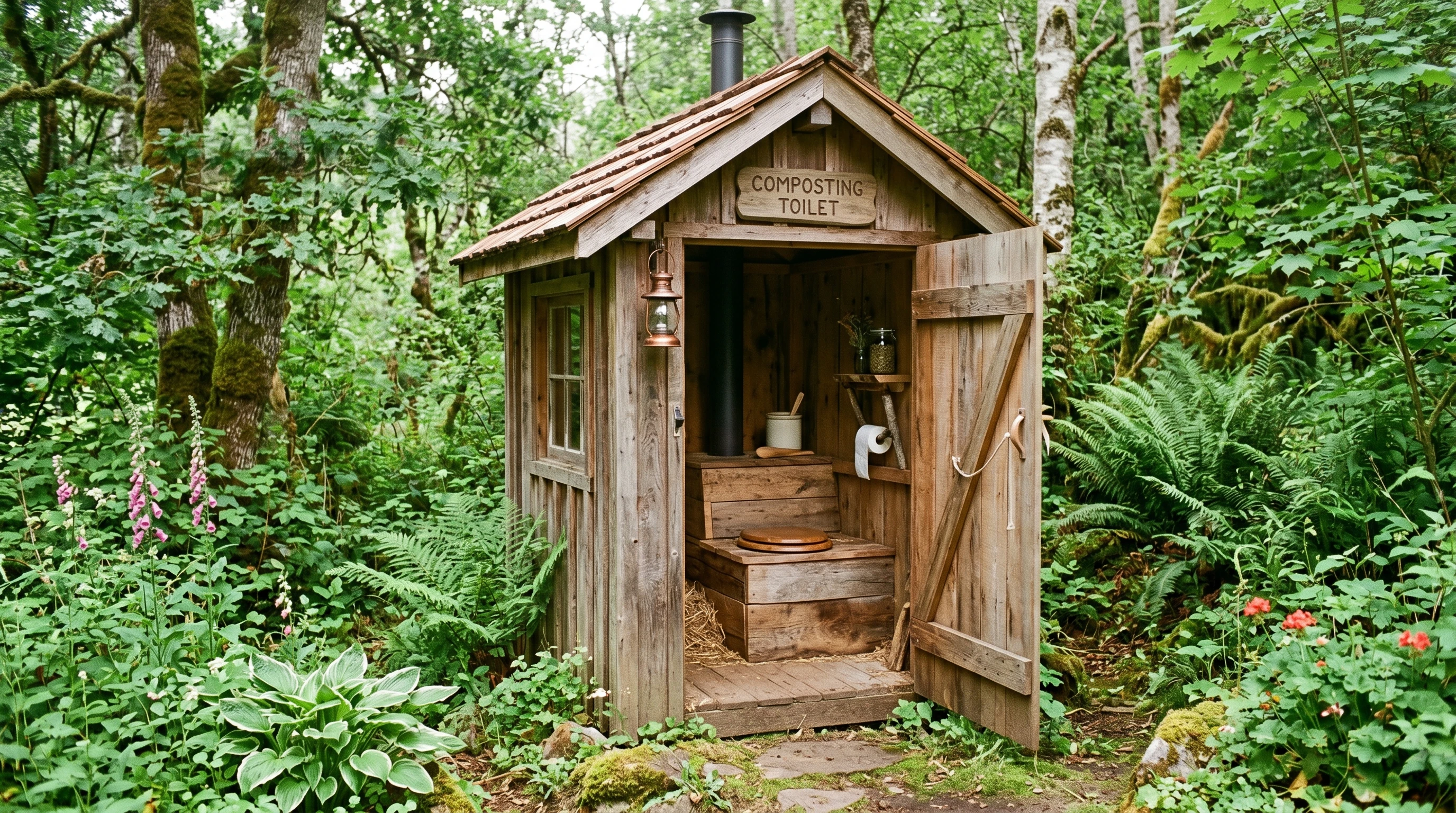
Table of Contents
- What Is a Composting Toilet?
- How Composting Toilets Work
- Benefits of Composting Toilets
- Common Drawbacks
- Types of Composting Toilets
- Best Composting Toilet Models for Off-Grid Setups
- How to Keep Composting Toilets From Smelling
- Best Cover Materials for Composting Toilets
- Winter Use of Composting Toilets
- Composting Toilet vs Outhouse
- Legal Stuff and Permits
- Wrapping Up
What Is a Composting Toilet?
Unlike traditional toilets where water and sewer systems do all the work, a composting toilet uses natural processes to break down human waste.
Instead of flushing waste away, the toilet transforms it into compost over time using airflow, decomposition, and carbon-rich materials.
Most composting toilets are designed to separate wet and dry waste, which helps speed up decomposition while greatly reducing odors.
One of the biggest advantages for off-grid living is that you don’t need running water to operate one. That’s a huge benefit for cabins, tiny homes, and remote homesteads where every gallon of water matters.
If you’re planning a complete water setup, you may also want to read our guide on Off-Grid Water System Guide: How to Build a Reliable Self-Sufficient Water Setup.
How Composting Toilets Work
A composting toilet collects waste in a holding chamber where aerobic decomposition begins breaking it down naturally.
Most systems use:
- Airflow
- Ventilation
- Dry compost material
- Moisture control
…to help the composting process work properly.
After each use, most people add a carbon-rich material like:
- Sawdust
- Coconut coir
- Peat moss
- Wood shavings
These materials absorb moisture, reduce odors, and help create better compost.
Compressed coconut coir disks are one of the easiest and cleanest composting materials to store in an off-grid cabin.
Good airflow is also extremely important. Many composting toilets use fans to pull moisture and gases outside through a vent pipe.
A small 12V inline ventilation fan can make a huge difference in reducing odor inside cabins and tiny homes.
Some systems use a manual crank or mixing paddle, while others automate the process internally.
Over time, the contents break down into stable compost material. Depending on temperature and moisture, the composting process can take several months.
Before using finished compost outdoors, always check local laws and regulations because rules vary widely by area.
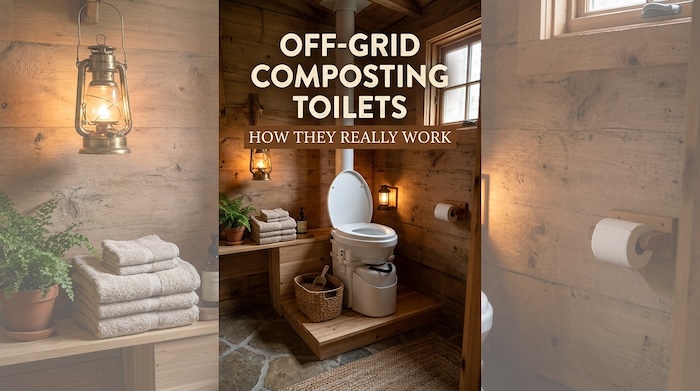
Benefits of Composting Toilets
If living off-grid, the advantages of composting toilets are hard to ignore.
Here are some of the biggest benefits.
Major Water Savings
Since there’s no flushing involved, composting toilets can save hundreds or even thousands of gallons of water every year.
That’s especially important if you rely on:
- Rainwater collection
- Hauled water
- Small wells
- Gravity-fed systems
- Limited water storage
One of the easiest ways to reduce water usage off-grid is by switching to a composting toilet system that requires little to no water.
Easy Installation
Traditional septic systems can cost thousands of dollars and often require permits, excavation, and plumbing.
Composting toilets are much simpler to install, especially in cabins and remote locations.
Excellent for Remote Cabins
Composting toilets work well almost anywhere, even in locations far from utilities or sewer systems.
Non-electric models are especially useful for primitive cabins and seasonal setups.
Eco-Friendly Waste Management
Instead of polluting groundwater or wasting huge amounts of water, composting toilets recycle waste naturally.
For environmentally conscious homesteaders, this is a major advantage.
Lower Long-Term Costs
While some composting toilets cost more upfront, they can save money long-term by eliminating:
- Septic installation
- Sewer hookups
- Water usage
- Plumbing repairs
Common Drawbacks
Composting toilets definitely have advantages, but there are a few downsides people should understand before buying one.
Maintenance Is Required
Someone still has to empty the solids container and maintain the compost system.
The good news is that maintenance usually isn’t needed constantly, especially with larger systems.
Odors Can Happen
If moisture builds up or airflow isn’t working properly, odors can develop.
Fortunately, most smell issues are fixable with:
- Better ventilation
- More dry compost material
- Frequent liquid emptying
Guests Need Instructions
Visitors often need a quick explanation about how the toilet works, especially regarding liquid separation and adding cover material.
Some Units Are Larger
Certain composting toilets take up more space than traditional toilets.
Always measure carefully before ordering for tiny homes or small cabin bathrooms.
Compost Still Needs Curing
Even after composting, the material often needs additional curing time before safe outdoor use or disposal.
Types of Composting Toilets
Choosing the right type depends on your cabin size, number of users, and off-grid lifestyle.
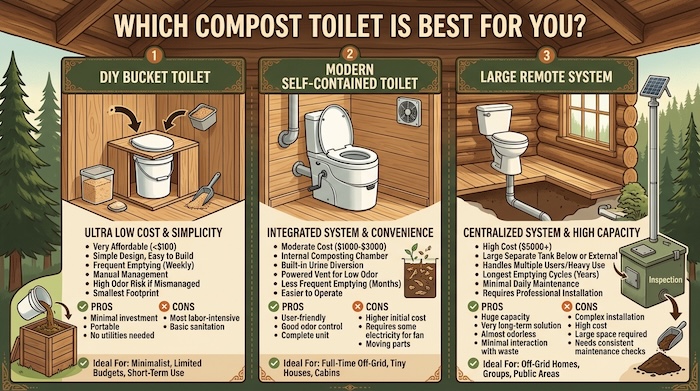
Self-Contained Composting Toilets
These all-in-one systems combine the toilet seat and compost chamber together in one compact unit.
They’re ideal for:
- Tiny homes
- RVs
- Van conversions
- Small cabins
Central or Remote Composting Systems
These systems send waste into a larger compost chamber located below the floor or outside the structure.
They work better for:
- Families
- Full-time homes
- Larger cabins
Electric vs Non-Electric Models
Electric composting toilets use fans and sometimes heaters to improve airflow and evaporation.
Non-electric models require a little more maintenance but work well in remote locations without power.
If you’re building a solar setup, our guide on Backup Power Options for Off-Grid Living may also help.
Urine-Diverting Toilets
These systems separate liquids from solids automatically.
This helps reduce odor, improve airflow, and speed up composting.
Best Composting Toilet Models for Off-Grid Setups
Nature’s Head Composting Toilet
The Nature’s Head Composting Toilet is one of the most trusted and widely used composting toilets in the off-grid world.
People love it because it offers:
- Reliable odor control
- Durable construction
- Easy maintenance
- Compact size
- Simple hand-crank compost mixing
It’s especially popular for cabins, sailboats, RVs, and van conversions.
Separett Villa Composting Toilet
The Separett Villa Composting Toilet is known for excellent airflow and very effective urine separation.
It has a cleaner, more residential appearance than many composting toilets and works well for:
- Tiny homes
- Guest cabins
- Full-time off-grid living
Sun-Mar Excel Composting Toilet
The Sun-Mar Excel Composting Toilet is designed for larger households and heavier daily use.
Its larger compost drum handles more volume than many compact systems.
It’s a solid choice for:
- Families
- Larger cabins
- Full-time homesteads
Cuddy Composting Toilet
The Cuddy Composting Toilet is compact, modern-looking, and ideal for small spaces.
It’s become especially popular for:
- Van life
- Small cabins
- Tiny bathrooms
- Stealth camper builds
Helpful Composting Toilet Accessories
A few accessories make composting toilets much easier to maintain.
Compressed coconut coir bricks help absorb moisture and reduce odors naturally.
A 12V inline ventilation fan improves airflow and keeps smells under control.
Compostable toilet liners make cleaning simpler.
Portable solar power stations can help power fans and small bathroom systems in off-grid cabins.
How to Keep Composting Toilets From Smelling
A properly functioning composting toilet should never smell nearly as bad as most people expect.
Most odor problems come from moisture and poor airflow.
Here’s what helps most.
Add Dry Compost Material After Use
Always add material like:
- Sawdust
- Coconut coir
- Peat moss
…after using the toilet.
Personally, I’ve found compressed coconut coir bricks work extremely well for odor control and moisture management.
Improve Airflow
A good vent system matters tremendously.
A quality 12V inline ventilation fan is one of the best upgrades for reducing composting toilet odors.
Separate Liquids Properly
Liquid buildup is usually what creates strong smells.
Urine-diverting toilets help significantly with this problem.
Empty Containers Regularly
Letting liquids sit too long creates odors quickly.
Clean containers thoroughly during emptying for best results.
Best Cover Materials for Composting Toilets
The compost material you use can make a huge difference in odor control and overall performance.
Sawdust
Easy to find and extremely absorbent.
Still one of the most common composting toilet materials.
Coconut Coir
Coconut coir absorbs moisture very well while still allowing good airflow.
Compressed coconut coir bricks are easy to store and work extremely well in off-grid composting toilets.
Peat Moss
Peat moss absorbs moisture effectively, although coconut coir is usually considered more sustainable.
Wood Shavings or Chips
Wood shavings improve airflow inside the compost chamber, but avoid treated wood or chemically treated products.
Sometimes blending materials works better than using only one.
Winter Use of Composting Toilets
Cold weather can slow the composting process considerably.
In freezing temperatures:
- Liquids can freeze
- Composting slows down
- Vent pipes may ice over
A few things help tremendously during winter.
- Keep the toilet inside heated space
- Insulate vent pipes
- Use extra dry compost material
- Empty liquids more frequently
If you’re living off-grid through winter, you should also read our guide on How to Keep Water From Freezing Off-Grid.
You may also find our article on Off-Grid Heating Options for Winter Survival helpful for keeping cabins warm efficiently.
Manufacturers also often publish winter-use instructions specific to their systems.

Composting Toilet vs Outhouse
lot of people still debate whether composting toilets are worth upgrading from a traditional outhouse.
After using both, there are some major differences.
Composting Toilet Advantages
- Stay indoors during storms or winter
- Less odor when maintained properly
- Faster waste breakdown
- Easier to manage year-round
- Better for tiny homes and cabins
Outhouse Advantages
- Very simple
- No electricity needed
- Cheap to build
Outhouses can still work fine for seasonal cabins, but composting toilets are usually far more comfortable for full-time off-grid living.
Winter plumbing problems are one reason many off-gridders switch to composting toilets for cabins and tiny homes.
Legal Stuff and Permits
Regulations for composting toilets vary quite a bit depending on your location.
Some areas welcome them, while others require:
- Certified systems
- Permits
- Greywater management
- Backup septic systems
Always check with local building officials or health departments before purchasing or installing a system.
Some composting toilets meet NSF/ANSI certifications required in certain provinces and states.
It’s much easier to ask questions before building than deal with expensive problems later.
Wrapping Up
Composting toilets can make off-grid living far simpler, especially in cabins, tiny homes, and remote homesteads where traditional plumbing becomes difficult or expensive.
They conserve water, reduce environmental impact, and eliminate the need for septic systems in many situations.
Yes, there’s still maintenance involved, but with proper airflow, moisture control, and the right compost materials, most people find them surprisingly easy to manage.
And honestly, after hauling water, dealing with frozen plumbing, or trying to install septic systems in rocky ground, many off-gridders end up appreciating just how practical composting toilets really are.
Affiliate Disclosure
Some links in this post are affiliate links, including Amazon links, which means I may earn a small commission if you purchase through them at no extra cost to you. The composting toilets listed here are some of the most popular systems used for off-grid living, cabins, and tiny homes.
© 2026, Teresa. All rights reserved.