

Keeping water from freezing off-grid is basically a battle that picks up every winter once the cold weather rolls in. I’ve lost count of the winter mornings I’ve spent with frozen fingers, hacking open a water barrel or lugging heavy jugs indoors when the usual setup iced up overnight. If you’ve done the icy bucket carry, you know it’s tough work.
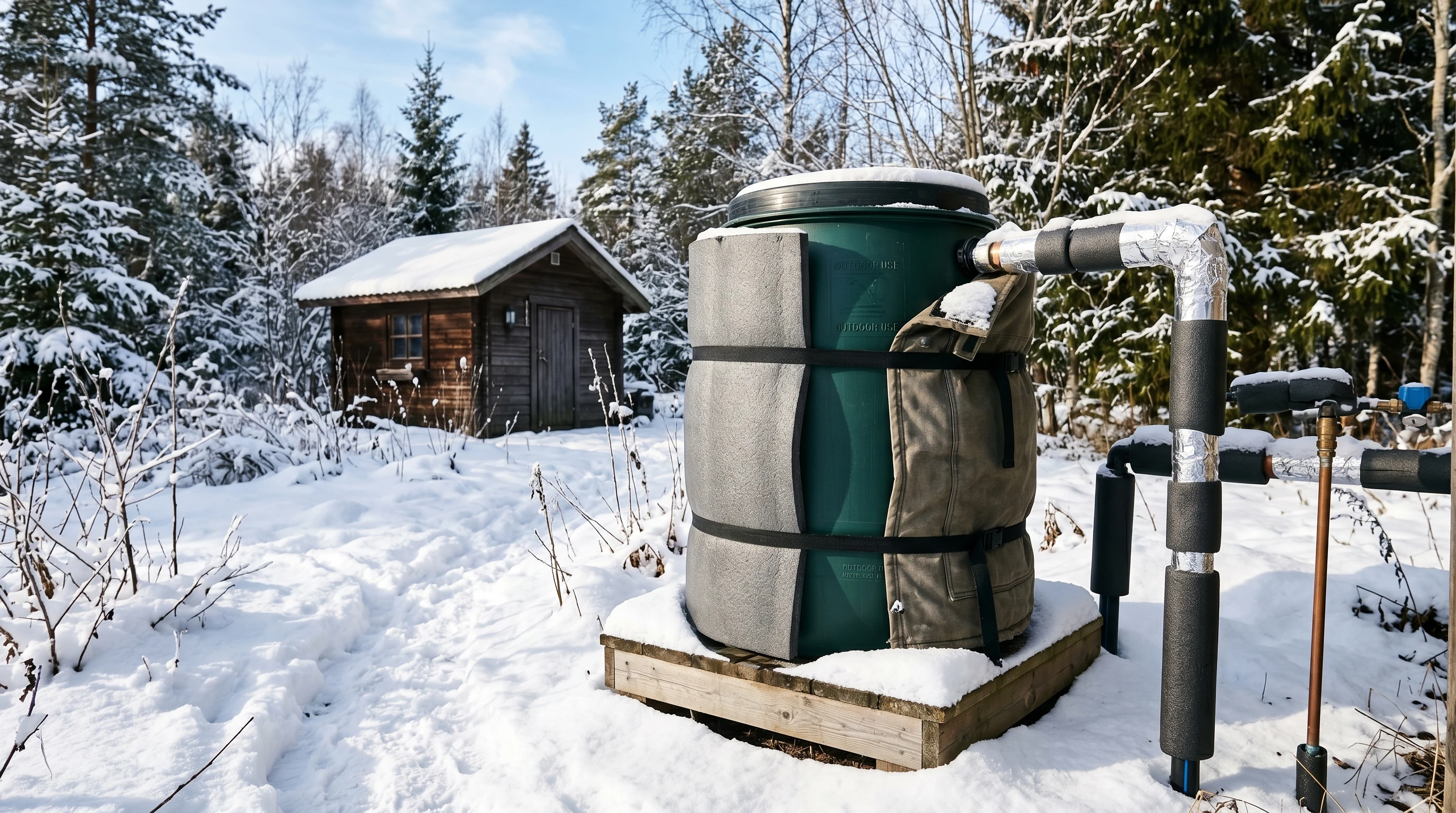
Why Water Freezing Can Be a Real Pain Off-Grid
Out in the sticks, there’s no underground warmth from city pipes or a handy faucet that magically works through the deepest cold. Besides making life trickier, frozen water can break pipes, ruin pumps, and force you to scramble for backup at the worst possible times.
Livestock, pets, your garden system, and your own drinking water all rely on keeping water accessible. It’s one of those constant headaches that everyone living off-grid deals with, and it can get seriously frustrating if you don’t have a reliable plan to fall back on.
This guide focuses on tricks that actually work on real homesteads—not just theory, but practical ways to keep your water from freezing even if you’re miles from any utility. I’m sharing the methods I use, a few tools I trust, what I wish I had tried sooner, and why there’s no such thing as a completely hands-off fix for winter water management.
❄️ Why Water Freezes Fast Off-Grid
Without city infrastructure working in your favor, even an average cold snap can turn your water lines into ice pipes in a hurry. Here’s why things freeze up so quickly when you’re on your own:
- Lack of Built-In Heat: There’s no municipal heat tracing or consistent insulation, so pipes cool off quickly.
- Exposure: Pipes, tanks, and hoses above ground lose heat directly to the air.
- Wind Chill & Temperature Swings: Wind strips away warmth fast, and sudden overnight drops can freeze everything before you notice.
- Small Volumes Freeze Faster: Barrels and short pipe runs have less thermal mass than buried city systems, so they freeze much quicker.
🚨 Common Problem Areas to Watch
- Shallow or Above-Ground Piping: Lines running from a well to a shed are especially vulnerable.
- Storage Tanks & Barrels: Outdoor containers can turn into solid ice without protection.
- Rainwater Systems: Gutters, diverters, and pipes freeze easily and stop collection.
- Pumps & Pressure Tanks: Uninsulated spaces can shut your whole system down.
- Livestock Waterers: Buckets and troughs freeze quickly, stressing animals.
🏡 Burying Water Lines Below the Frost Line
If you’re installing or upgrading your system, this is one of the most reliable long-term solutions.
- Why Depth Matters: Soil acts as insulation. Below the frost line, temperatures stay above freezing.
- Frost Line by Region: Colder areas may need 4–5 feet, while milder regions can get by with 18–36 inches. Always check local recommendations.
- Pros: Reliable and mostly maintenance-free once installed.
- Cons: Digging can be expensive and time-consuming.
If you want a full breakdown of how to set this up, I go deeper in my guide on Off-Grid Water System Guide.
🔥 Insulating Water Lines and Tanks
For anything above ground, insulation is essential.
- Foam Pipe Insulation: A simple and effective fix for exposed pipes.
- Insulated Boxes: Build a plywood box and line it with rigid foam or straw for pumps or tanks.
- Loose Fill: Straw, hay, leaves, or sawdust can work in a pinch.
- Layered Wrapping: Adding plastic and reflective wrap improves protection.
Tip: Insulation slows freezing, but it won’t stop it during extreme cold snaps. Combine it with another method for best results.
⚡ Using Heat Sources (If You Have Power)
If your solar or generator setup allows it, adding heat can make a big difference.
- Heat Tape for Pipes: A reliable option for exposed lines—this is where using heat tape for water lines can really save you headaches during deep cold snaps.
- Stock Tank Heaters: Floating or submersible heaters like a stock tank heater de-icer work well for livestock water.
- Small Space Heaters: Useful in insulated pump sheds during deep freezes.
Just make sure your power system can handle the load before relying on these.
🌞 Passive Solar Heating Tricks
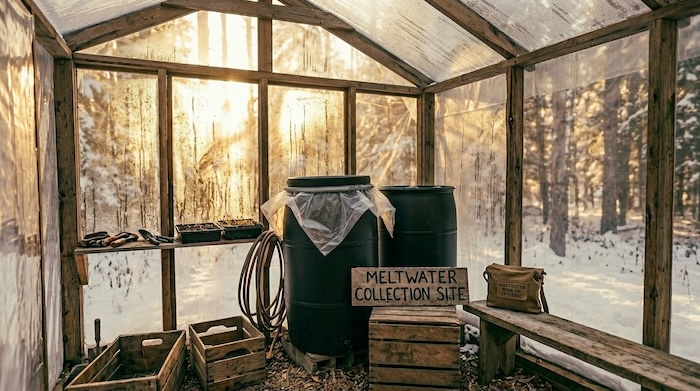
These are some of the easiest and cheapest ways to add a little extra protection:
- Black Barrels: Dark surfaces absorb more heat from the sun.
- South-Facing Placement: Position tanks where they’ll get maximum sunlight.
- Mini Greenhouse Covers: Clear plastic over tanks traps heat during the day.
- Thermal Mass: Extra water barrels or rocks store heat and release it slowly overnight.
If you’re already running a greenhouse, this pairs really well with setups like your Underground Greenhouse Project.
💧 Keep Water Moving
- Flow Is Your Friend: Moving water doesn’t freeze as quickly. Open a faucet to drip, but only if you have a reliable water source and a safe way to handle the extra water.
- Recirculating Pumps: Run pumps to move water from tanks through pipes and back when you know a big freeze is coming.
- Loop Systems: Put together a mainline loop so water keeps circulating, making freezing less likely.
🛢️ Store Water Indoors or Underground
- Bring Tanks In: In deeper winter, carry smaller barrels or jugs into a shed, cellar, or even the house itself.
- Underground Cisterns: If you can budget and dig, putting a cistern underground keeps water much safer from hard freezes.
- Insulated Sheds: Building a shed and packing straw bales around your containers gives you a lot more breathing room during cold snaps.
You can check out my full breakdown in Off-Grid Water Storage Year Round.
🧰 Emergency Backup Methods
- Keep Backup Water: Always store some 5–7 gallon jugs inside, just in case something freezes solid overnight or a storm takes out your setup.
- Daily Ice Checks: Checking your setup early in the morning (or late at night) helps you catch and fix a problem before it gets worse.
- Hauling Water: Sometimes you have to haul water from an unfrozen spot. Using sleds, wheelbarrows, or milk crates can make the job much easier.
⚠️ Mistakes to Avoid
- Counting on Insulation Alone: Extremely cold nights eventually defeat even good insulation.
- Letting Pipes Sit Unused: If water stands still, it freezes—running water every day helps a lot.
- Unsafe Extension Cords: Always use outdoor-rated cords and keep electrical connections dry and elevated.
- Ignoring Small Freezes: A small ice plug can turn into burst pipes or a full system shutdown by tomorrow. Fix even minor freezes right away.
🧠 What Works Best (My Experience)
After plenty of trial and error, my winter setup looks like this:
I run PEX or poly pipe buried below the frost line into our back porch where the pressure tank sits. At first, we thought it would stay warm enough on its own—but one cold night, it froze solid.
Since then, we added a wood stove to the back porch for those really cold nights. Over time, we actually ended up liking the extra heat, so now we often leave the door open to the house and run the wood stove through much of the winter. It takes some pressure off the propane furnace and helps cut down on fuel costs too.
❓ FAQ
How deep should I bury water lines off grid?
It depends on your local frost line. Colder regions may require 4–5 feet, while milder climates can get by with 18–24 inches.
Will insulation alone prevent freezing?
No. It helps, but in prolonged cold you’ll need heat or to drain the system.
What’s the lowest-cost option?
Black barrels, straw insulation, and manually breaking ice work short-term. Long-term, buried lines and indoor storage are worth it.
Does passive solar actually help?
Yes—more than most people expect. But in deep cold, combine it with insulation or backup heat for reliability.
Disclaimer
Content on this site is for informational purposes only and reflects personal experience and research. Off-grid living conditions vary widely by location, so always verify local regulations and safety practices before making changes to your setup. Some links may be affiliate links, which help support this site at no additional cost to you.
© 2026, Teresa. All rights reserved.