Staring at empty supermarket shelves after a late-night grocery run can leave anyone uneasy. The first time I saw the store out of my usual basics, I figured it was just a one-off. Then I started noticing more than just bread or eggs missing. Sometimes it was flour, sometimes canned vegetables, and sometimes even fresh produce. Alongside the shortages, food prices crept up on nearly everything I used to buy without a second thought. Even the items still sitting on the shelves suddenly came with a much higher price tag.
Waiting for groceries to restock wasn’t always quick either. Shipping delays made some foods nearly impossible to find for weeks at a time. That’s when it really hit me how much I relied on grocery stores and the entire global food supply chain. Every truck, ship, train, and warehouse has an impact on what ends up in our kitchens. When those systems start breaking down, everyday meals become far less certain.
That realization pushed me to start growing more of my own food.
Why Growing Your Own Food Helps You Stay Prepared
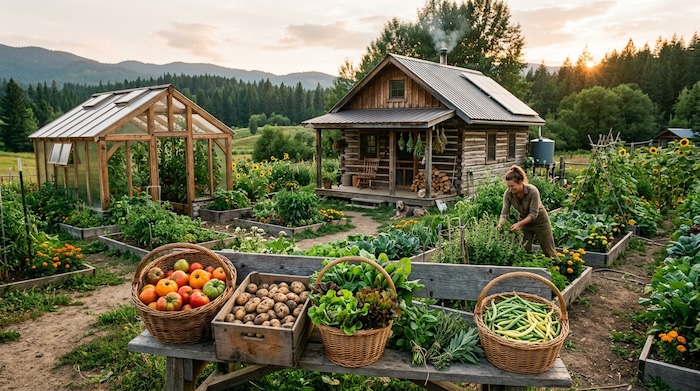
Learning how to grow even a portion of my own food instantly made things feel less out of my control. Homegrown produce may not replace your entire grocery list, but it’s surprising how much a few raised beds or containers can provide during shortages or price spikes.
You don’t need a huge homestead to get started either. A small patio, balcony, greenhouse, or even a sunny window can produce fresh herbs, greens, and vegetables. Every tomato, cucumber, or handful of lettuce you harvest yourself is one less item you’re depending on the store for.
Small gardens are incredibly productive when planned properly. A few self-watering buckets can keep you in salad greens for weeks, while a single raised bed can produce more tomatoes and herbs than most people expect.
I quickly realized that even small off-grid gardening projects can make a huge difference during uncertain times, especially when paired with simple food preservation methods and long-term pantry storage.
If you’re planning your garden space, read my posts on:
- How to Plan a Vegetable Garden Layout
- Starting Seeds Indoors for Beginners
- Organic Gardening Tips for Beginners
- Best Vegetables to Grow Off Grid
- Off-Grid Food Preservation
- Self-Sufficient on a Homestead
Getting Started: Food Growing Options for Every Space
You don’t need to tear up your entire yard to start growing food. Here are some of the easiest ways to begin.
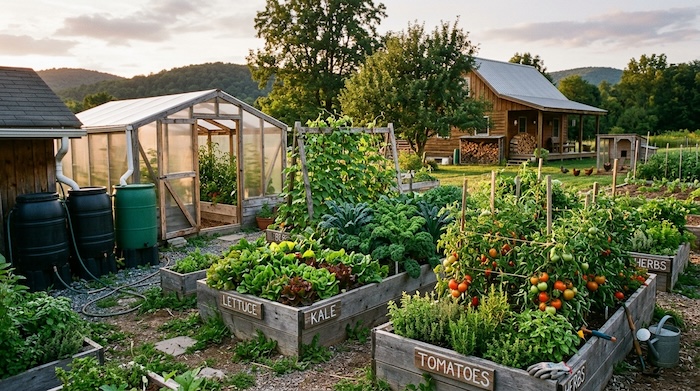
Raised Beds
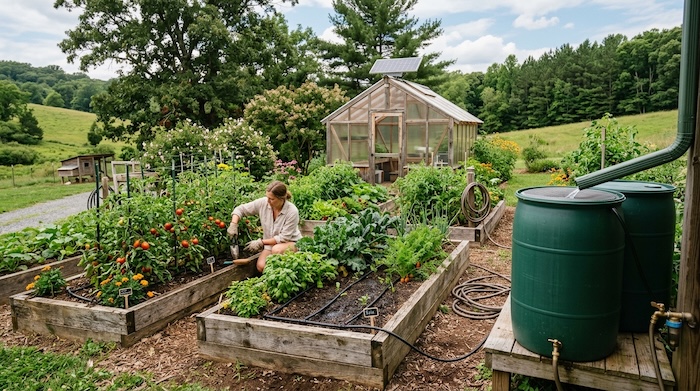
Raised beds are one of the easiest ways to start gardening. They help control weeds, improve drainage, and allow you to create rich soil even if your existing ground isn’t ideal.
They’re also much easier on your back and knees.
A simple set of cedar raised garden beds works extremely well for beginners and can last for years with very little maintenance.
If you’re building your first garden, my guide on vegetable garden layout ideas can help you decide the best setup for your space and how to maximize production in a small area.
You may also want to read:
Containers and Buckets
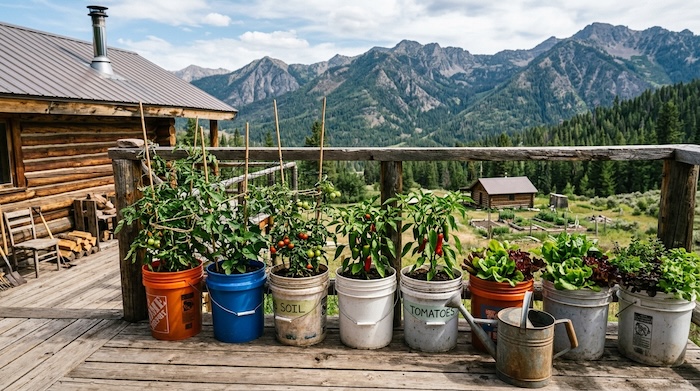
space is limited, buckets and containers are one of the easiest ways to grow food almost anywhere.
Five-gallon buckets work great for:
- Tomatoes
- Peppers
- Potatoes
- Herbs
- Lettuce
- Bush beans
I’ve grown surprisingly productive gardens using simple food-grade 5 gallon buckets with drainage holes drilled in the bottom.
I’ve had especially good luck growing potatoes, lettuce, and tomatoes in buckets because they’re easy to move and simple to protect during bad weather.
If you’re interested in container growing, you can also read:
Self-watering containers are another great option if you’re dealing with dry summers or inconsistent watering schedules. Simple self-watering planter buckets can help reduce watering while keeping plants healthier during hot weather.
Greenhouses (Big and Small)
A greenhouse can dramatically extend your growing season and protect crops from unpredictable weather.
Even a small DIY greenhouse or mini greenhouse helps:
- Start seeds earlier
- Protect seedlings
- Grow food longer into fall
- Shield plants from frost
My partially underground greenhouse has made a huge difference in how much food I can grow each season.
A greenhouse also makes it much easier to start seedlings early and continue harvesting later into fall, especially in colder climates.
If you’re considering greenhouse gardening, these posts may help:
A compact walk-in greenhouse kit can make seed starting much easier for beginners, especially when paired with simple greenhouse shelving and seed trays.
Planning Your Survival Garden for Reliability
When food shortages happen, a reliable garden matters far more than a perfect-looking one.
Grow Easy, Reliable Crops
Stick with vegetables that:
- Produce heavily
- Grow quickly
- Store well
- Handle imperfect conditions
Some of the easiest crops include:
- Lettuce
- Kale
- Swiss chard
- Radishes
- Bush beans
- Potatoes
- Cherry tomatoes
- Peas
These crops are beginner-friendly and provide steady harvests.
Practice Succession Planting
Instead of planting everything at once, stagger plantings every couple of weeks.
For example:
- Plant lettuce every 2 weeks
- Sow radishes monthly
- Start a second round of beans mid-summer
This helps keep food coming consistently instead of all at once.
Grow What You Actually Eat
One of the biggest beginner mistakes is growing vegetables nobody in the family really eats.
Focus on foods you already buy regularly.
If your family eats:
- Salad
- Tomatoes
- Potatoes
- Herbs
- Green beans
…start there first.
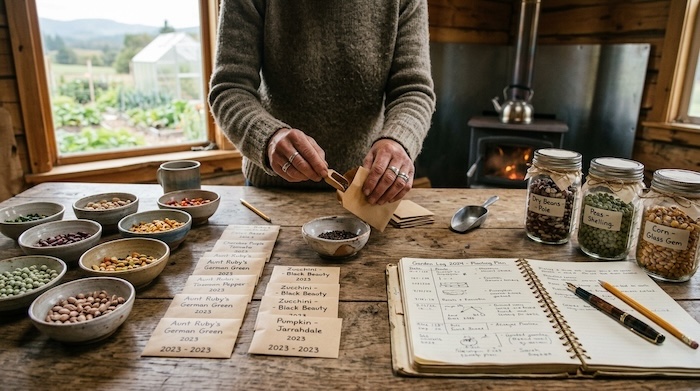
Save Seeds for Future Growing
Heirloom and open-pollinated seeds allow you to save seeds from year to year.
That becomes incredibly valuable if:
- Seed prices rise
- Stores sell out
- Supply chains struggle
A simple heirloom vegetable seed collection is one of the smartest long-term gardening investments you can make.
Keeping seeds stored properly is just as important as collecting them. Cool, dry storage conditions can help maintain seed viability for years.
You may also want to read:
Making the Most of Your Harvest
Growing food is only part of the equation. Learning how to preserve it matters too.
Preserve Extra Food
Growing food is only part of the equation. Learning how to preserve it matters too.
When the garden suddenly produces too much:
- Freeze vegetables
- Dehydrate herbs
- Water bath can tomatoes
- Pickle cucumbers
- Store potatoes properly
Food preservation turns a summer harvest into winter meals and helps reduce dependence on grocery stores during shortages.
A beginner-friendly water bath canning kit makes preserving tomatoes and sauces much easier, while a simple dehydrator for food preservation works well for herbs, fruit, and vegetables.
If you’re serious about long-term storage, a Harvest Right freeze dryer can preserve food for years while maintaining much of its flavor and nutrition.
You may also enjoy:
- Root Cellar Food Storage Guide
- Harvest Right Freeze Dryer Guide
- Long-Term Pantry Storage
- Off-Grid Food Preservation
Feed Your Soil
Healthy soil grows healthier food.
I rely heavily on:
- Compost
- Mulch
- Worm castings
- Leaves
- Straw
- Grass clippings
Healthy soil also:
- Holds moisture better
- Reduces watering
- Improves plant health
- Helps gardens survive drought stress
A simple compost tumbler bin can turn kitchen scraps into rich garden compost and dramatically improve garden production over time.
Dealing With Common Gardening Challenges
Pests and Disease
Every garden attracts pests eventually.
Some easy ways to reduce problems:
- Mix herbs among vegetables
- Use row covers
- Rotate crops
- Encourage pollinators
- Avoid overcrowding plants
A lightweight garden row cover kit is incredibly useful during bug season and can also help protect plants from unexpected frost
Drought and Water Shortages
When rainfall becomes unreliable:
- Mulch heavily
- Water early morning
- Use drip irrigation
- Collect rainwater
Rain barrels are one of the simplest preparedness tools for gardeners.
Stored rainwater becomes even more valuable if municipal water restrictions happen during drought conditions or if water prices continue rising.
Simple rain barrel collection systems and soaker hoses for gardens can help reduce water waste while keeping plants healthy.
You may also want to read:
- Rain Barrel Starter Kit for Safe Everyday Use
- Off-Grid Water Storage
- Off-Grid Water Filtration Systems
- How To Keep Water From Freezing Off-Grid
Simple Gardening Tools Worth Having
-
You don’t need expensive gear to grow food successfully.
These basics go a long way:
- Hand trowel
- Pruners
- Watering can
- Buckets
- Mulch
- Seed trays
- Compost bin
A durable garden hand tool set is usually enough for most beginner gardens.
For seed starting indoors, I also recommend:
These simple tools make it much easier to grow strong seedlings before outdoor planting season begins.
Best Foods to Grow During Supply Chain Problems
Some crops are especially valuable when grocery prices rise or stores become unreliable.
The best choices are foods that:
- Produce heavily
- Store well
- Grow easily
- Provide lots of calories or nutrition
Some of the best crops to focus on include:
- Potatoes
- Beans
- Kale
- Lettuce
- Peas
- Tomatoes
- Herbs
- Zucchini
These crops are beginner-friendly, productive, and useful in everyday meals.
Frequently Asked Questions
Do I Need a Big Yard to Grow Food?
No. Buckets, containers, raised beds, balconies, patios, and even windowsills can produce food.
What Are the Easiest Foods to Grow?
Lettuce, radishes, herbs, beans, peas, kale, potatoes, and cherry tomatoes are excellent beginner crops.
Can Gardening Really Help During Supply Chain Problems?
Absolutely. Even partial food independence helps reduce grocery costs and dependence on store shelves.
Gardening also gives you practical skills that become more valuable every year.
What’s the Best Way to Start Seeds Without a Greenhouse?
Most seeds grow well in sunny windows with simple seed trays.
You can also build inexpensive indoor seed setups using grow lights.
Final Thoughts
Watching grocery prices climb and supermarket shelves empty out can feel stressful, but growing even a small amount of your own food creates a valuable safety net.
Raised beds, buckets, greenhouses, and container gardens all help make your household a little more resilient during uncertain times.
You don’t need to become fully self-sufficient overnight. Even starting with a few herbs, lettuce plants, or tomatoes can build confidence and reduce your dependence on outside systems.
Over time, those small steps add up.
Your backyard, patio, balcony, or greenhouse can slowly become more than just a garden. It becomes food security, practical experience, and peace of mind.
Disclosure
Content on this site is for informational purposes only and reflects personal experience and research. Gardening results can vary based on climate, soil, and growing conditions. Some links may be affiliate links, which help support this site at no additional cost to you.
© 2026, Teresa. All rights reserved.