

How to Build a Reliable, Self-Sufficient Water Setup for Off-Grid Living
Water is one of the most important systems in any off-grid setup. Whether you rely on a drilled well, rainwater collection, hauled water, or gravity-fed storage, having a reliable water system can make daily life far easier and safer.
In this guide, I’ll walk through the essential parts of building an off-grid water system, including storage, filtration, purification, backup planning, winter protection, and emergency preparedness.
The goal isn’t perfection — it’s building a layered system that keeps working when something goes wrong.
- Why Every Off-Grid Home Needs a Water System Plan
- Primary Water Sources for Off-Grid Living
- Water Storage: Your Safety Net
- Filtration Systems for Off-Grid Water
- How To Purify Drinking Water Off-Grid
- Backup Water Strategies
- Seasonal Considerations (Winter & Drought)
- Water Testing and Safety
- How to Build Your Off-Grid Water System Step by Step
- Common Off-Grid Water System Mistakes
- Related Off-Grid Water Guides
- Final Thoughts: Water Is the Foundation of Self-Reliance
Why Every Off-Grid Home Needs a Water System Plan
An off-grid water system is one of the most important parts of living independently. Without reliable access to water, everything becomes more difficult—cooking, cleaning, gardening, livestock care, food preservation, and even heating systems can be affected.
The reality is that water systems can fail for many reasons:
- Power outages
- Drought conditions
- Pump breakdowns
- Frozen water lines
- Contaminated water sources
- Empty storage tanks
- Equipment failure during winter
A good off-grid water system isn’t built around a single water source. It’s built around redundancy.
Over the years, I’ve learned that having backup water storage and multiple ways to access safe water provides tremendous peace of mind. When something eventually goes wrong—and it will—you’ll be glad you planned ahead.
If you’re just beginning to design your water system, I recommend starting with Rainwater Harvesting: From Roof to Tap, which explains how collected rainwater can become an important part of an off-grid water strategy. Even if you have a well, rainwater collection provides valuable backup storage and helps reduce pressure on your primary water source.
I like to think of an off-grid water setup as four connected layers:
- Primary water source
- Water storage and backup
- Filtration and purification
- Water pressure and winter protection
If one layer fails, the others help keep your system running.
Whether you collect rainwater, haul water, pump from a well, or use gravity-fed storage, planning your entire system together makes off-grid living far more reliable year-round.
For a complete overview of storing emergency and backup water, you may also want to read Off-Grid Water Storage Year Round: How To Store Water Safely In Every Season.
Over the years, I’ve learned that having backup water storage and multiple ways to access safe water provides tremendous peace of mind. Keeping a few food-grade emergency water containers on hand is one of the simplest ways to prepare for unexpected outages.
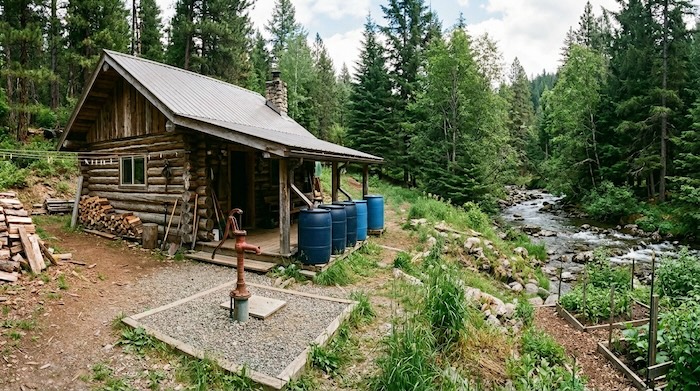
Primary Water Sources for Off-Grid Living
Every off-grid property is different, which means there is no single “best” water source for everyone. The right solution depends on your location, climate, budget, and long-term goals.
Many successful off-grid homeowners actually combine multiple water sources to create a more reliable and resilient system.
| Water Source | Best For | Pros | Cons |
|---|---|---|---|
| Well Water | Full-time homes | Reliable year-round | Requires power and maintenance |
| Rainwater Collection | Cabins & backup systems | Low operating cost | Seasonal in some climates |
| Surface Water | Emergency or supplemental use | Readily available | Requires filtration and purification |
| Hauled Water | Remote cabins | Flexible and simple | Labor intensive |
Well Water Systems
For many off-grid homes, a drilled well is the primary water source. A properly designed well system can provide dependable water year-round, especially when paired with solar power, battery storage, or generator backup.
A typical off-grid well setup may include:
- Submersible well pump
- Pressure tank
- Water filtration system
- Backup power source
- Water storage tank or cistern
One lesson many off-grid homeowners learn quickly is that a well is only as reliable as the system powering it. If your pump depends entirely on electricity, a power outage can leave you without water.
That’s why many people install backup storage tanks and emergency water reserves alongside their well system.
If you’re planning a pressure system, be sure to read How To Get Water Pressure Off-Grid (Pumps, Gravity & Simple Systems).
And if you live in a cold climate, you’ll also want to read How To Keep Water From Freezing Off-Grid before winter arrives.
Rainwater Harvesting Systems
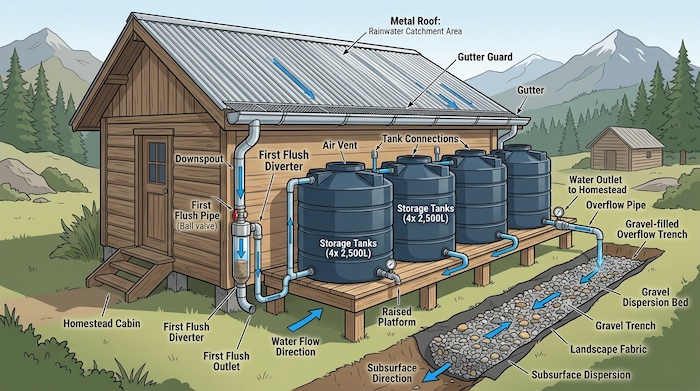
Rainwater harvesting is one of the easiest and most affordable ways to increase water security off-grid.
In some regions, rainwater can even become a primary water source when combined with adequate storage, filtration, and purification.
A basic rainwater collection system typically includes:
- Gutters and downspouts
- Downspout diverters
- First-flush diverters
- Rain barrels or storage tanks
- Overflow management
- Filtration and purification systems
The cleaner your collection system is from the beginning, the easier it becomes to maintain safe, usable water later.
I recommend starting with a rain barrel diverter kit and a first-flush diverter system to help reduce leaves, sediment, bird droppings, and roof debris entering your storage tanks. Pairing those with a food-grade rain barrel makes it much easier to begin collecting and storing water safely.
For a complete beginner’s guide, read Rainwater Harvesting: From Roof to Tap.
You’ll also find these guides helpful:
- Rain Barrel Starter Kit for Safe Everyday Use (Off-Grid Guide)
- Rainwater Filtration System Setup (Step By Step) Manual
- Off-Grid Water Storage Year Round: How To Store Water Safely In Every Season
Surface Water (Ponds, Creeks, Lakes)
Some off-grid properties have access to ponds, creeks, lakes, or natural springs that can provide supplemental water.
These sources can be extremely valuable for:
- Garden irrigation
- Livestock watering
- Emergency water supplies
- Fire protection
- Wildlife ponds
However, surface water should never be assumed safe for drinking without proper treatment.
Surface water may contain:
- Bacteria
- Parasites
- Agricultural runoff
- Wildlife contamination
- Algae blooms
- Sediment and organic debris
Many off-grid homeowners keep a gravity-fed water filter as both a primary filtration system and an emergency backup because it continues working even when power is unavailable.
I strongly recommend reading Best Off-Grid Water Filters: How To Find Safe Drinking Water Anywhere and Off-Grid Water Filtration Systems Compared: Gravity, UV, Ceramic & Whole-House Options before relying on any untreated water source.
You may also enjoy Off-Grid Ponds and Solar Fountains, which covers using ponds as part of an off-grid property.
Hauled Water Systems
Many remote cabins and seasonal properties rely on hauled water.
While hauling water requires more effort, it can be a practical solution where wells are expensive, groundwater is limited, or rainwater collection is seasonal.
The key to making hauled water practical is having enough storage capacity.
Many off-grid property owners use:
- food-grade 55-gallon water barrels
- IBC totes
- Large cistern systems
- portable transfer pumps
A small 12-volt water transfer pump can make moving water from barrels, totes, or hauling tanks much faster and easier.
If you’re considering totes, read IBC Tote Water Storage: Is It Safe for Drinking Water? before purchasing used containers.
Proper storage, filtration, and regular water testing are especially important when using hauled water long-term.
Water Storage: Your Safety Net
Living off-grid taught me quickly that water problems rarely happen at a convenient time. Pumps fail, power goes out, water lines freeze, and drought conditions can reduce available water when you need it most.
That’s why water storage is one of the most important parts of any off-grid water system.
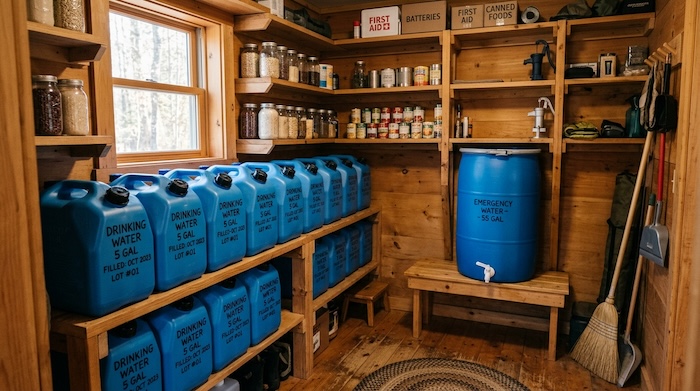
Even if you have a reliable well or year-round water source, storing water provides an important layer of protection when something unexpected happens.
A good water storage system helps protect you from:
- Power outages
- Pump failures
- Frozen water lines
- Seasonal drought conditions
- Emergency repairs
- Water hauling interruptions
For many off-grid homes, stored water becomes the difference between a minor inconvenience and a major problem.
Why Water Storage Matters
One of the biggest mistakes new off-grid property owners make is relying entirely on their primary water source.
A well can stop working.
A pump can fail.
A rainwater collection system can run dry during a prolonged dry spell.
Having stored water available gives you time to solve problems without immediately losing access to water for drinking, cooking, cleaning, or livestock.
That’s why I always recommend building storage into your water system from the beginning rather than treating it as an afterthought.
Common Off-Grid Water Storage Options
There are several ways to store water off-grid depending on your space, climate, and water usage.
Popular storage options include:
- 55-gallon food-grade water barrels
- IBC totes
- Large cistern systems
- Underground storage tanks
- Indoor emergency water containers
- Rainwater holding tanks
For many cabins and small homesteads, starting with a few food-grade 55 gallon water storage barrels is one of the easiest and most affordable ways to build emergency reserves.
Larger properties often expand into IBC totes or cistern systems to increase capacity and reduce the frequency of hauling or collecting water.
Before using totes for drinking water storage, be sure to read IBC Tote Water Storage: Is It Safe for Drinking Water?
Planning Water Storage Capacity
How much water you should store depends on:
- Household size
- Livestock requirements
- Garden irrigation needs
- Local rainfall patterns
- Winter conditions
- Access to backup water sources
Many off-grid homeowners are surprised by how much water they actually use once they begin tracking daily consumption.
Having additional storage capacity allows you to collect more rainwater during wet periods and maintain reserves during drought conditions or equipment failures.
For seasonal planning and storage recommendations, see Off-Grid Water Storage Year Round: How To Store Water Safely In Every Season.
Moving Water Between Storage Tanks
Storage is only part of the system. You also need a practical way to move water where it’s needed.
Many off-grid properties use a portable water transfer pump to move water between barrels, totes, cisterns, and garden systems.
These pumps can make filling storage tanks, transferring hauled water, and maintaining backup reserves much easier.
If your storage tanks are elevated, you may also be able to use gravity to help distribute water throughout your system.
Build Storage Before You Need It
The best time to increase your water storage capacity is before an emergency occurs.
Whether you rely on a well, rainwater harvesting, or hauled water, having backup storage already in place provides peace of mind and helps make your entire water system more resilient.
Water storage is not just about emergencies—it’s about creating a system that continues working when conditions aren’t ideal.
Water Pressure and Delivery Systems
Having a reliable water source and adequate storage is only part of the equation. You also need a practical way to move water where it’s needed.
Whether you’re washing dishes, taking a shower, watering a garden, or filling livestock troughs, water pressure plays a major role in everyday comfort and convenience off-grid.
The good news is that you don’t necessarily need a large, complicated system to achieve reliable water pressure.
Common Off-Grid Water Pressure Options
Most off-grid water systems use one of three basic methods:
- Gravity-fed systems
- Water pumps
- Pressure tank systems
The right solution depends on your property layout, elevation changes, power availability, and daily water use.
Gravity-Fed Water Systems
Gravity-fed systems are one of the simplest and most reliable ways to move water off-grid.
When water storage tanks are positioned higher than the point of use, gravity naturally creates pressure without requiring electricity.
Benefits of gravity-fed systems include:
- No electrical power required
- Low maintenance
- Quiet operation
- Excellent reliability
- Works during power outages
While gravity systems don’t always provide household-style water pressure, they can work extremely well for cabins, livestock watering, gardens, and emergency backup systems.
Water Pumps and Pressure Systems
Many off-grid homes use pumps to create more consistent household water pressure.
Common options include:
- 12-volt water pumps
- Solar-powered pumps
- Transfer pumps
- Well pumps
- Booster pumps
When combined with a pressure tank, these systems can provide water pressure similar to what many people are accustomed to in town.
A properly sized pump and pressure tank can make showers, sinks, washing machines, and other household tasks much more comfortable.
Pressure Tanks
Pressure tanks help maintain steady water pressure while reducing how often a pump needs to cycle on and off.
Benefits include:
- More consistent water flow
- Reduced pump wear
- Lower energy consumption
- Improved system efficiency
For full-time off-grid homes, pressure tanks are often one of the most valuable upgrades you can make.
Planning Your Water Delivery System
When designing your system, consider:
- Elevation differences
- Distance between storage and use points
- Power availability
- Seasonal temperatures
- Water usage requirements
Many off-grid properties use a combination of gravity, pumps, and storage tanks to create a system that remains reliable throughout the year.
The goal isn’t necessarily high pressure—it’s dependable water delivery when you need it.
For a complete guide to pumps, gravity systems, pressure tanks, and simple off-grid water delivery methods, read How To Get Water Pressure Off-Grid (Pumps, Gravity & Simple Systems).
Reliability Matters More Than Pressure
One lesson many off-grid homeowners learn quickly is that reliability matters more than having perfect household pressure.
A simple system that works every day is often far better than a complicated system that constantly requires maintenance.
When paired with adequate storage and backup water supplies, even a modest pressure system can provide everything needed for comfortable off-grid living.
Water Is More Important Than Almost Anything Else
Food storage is important, but without reliable water, food alone won’t help much.
A dependable off-grid water system should always include both:
- a primary water source
- backup stored water
That redundancy is what makes long-term off-grid living far more resilient.
Filtration Systems for Off-Grid Water
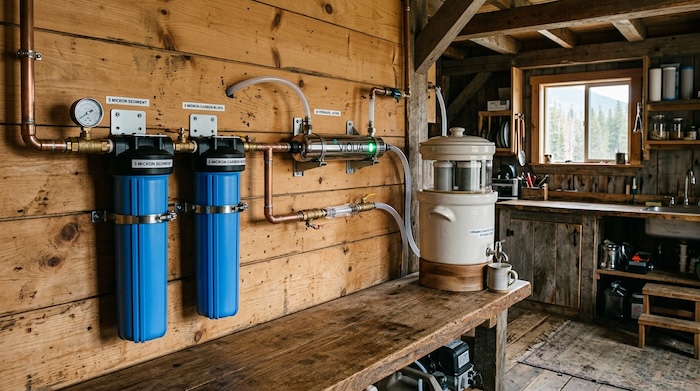
Clean water is one of the most important parts of any off-grid water system.
Even water that looks clear can contain sediment, bacteria, parasites, algae, or other contaminants. Whether your water comes from a well, rainwater collection system, storage tanks, ponds, creeks, or lakes, proper filtration should be part of your overall water strategy.
A good filtration system can help remove:
- Dirt and sediment
- Rust particles
- Organic debris
- Bad tastes and odors
- Some contaminants and microorganisms
The type of filtration you need depends on your water source, how the water will be used, and the quality of the water entering your system.
Sediment Filters
Sediment filters are usually the first stage in an off-grid filtration system.
They help remove:
- Dirt
- Sand
- Rust
- Grit
- Suspended particles
Removing sediment early helps protect pumps, plumbing, storage tanks, UV systems, and other filters from unnecessary wear and clogging.
For many rainwater collection systems and water storage setups, a simple sediment water filter is one of the easiest upgrades you can make.
Carbon Filters
Carbon filters are commonly used after sediment filtration.
They help improve:
- Taste
- Odor
- Water clarity
- Chlorine reduction
- Some chemical contaminant reduction
Many off-grid homeowners use a combination of sediment and carbon filtration to improve the overall quality of their drinking water.
Gravity-Fed Water Filters
Gravity-fed filtration systems remain popular because they require no electricity.
These systems continue working during:
- Power outages
- Winter storms
- Generator failures
- Solar system problems
- Emergency situations
For many off-grid cabins and homesteads, a gravity-fed water filter serves as both a primary drinking water filter and an emergency backup.
Their simplicity, reliability, and ease of maintenance make them a valuable part of many off-grid water systems.
Matching Your Filter to Your Water Source
Different water sources require different filtration approaches.
For example:
- Rainwater often benefits from sediment and carbon filtration
- Surface water typically requires more aggressive filtration and purification
- Well water may require treatment for iron, sulfur, hardness, or bacteria
- Stored water systems may need periodic filtration and sanitizing
There is no single filter that works best for every situation.
The best approach is to start with a water source assessment and choose filtration methods that address the specific contaminants present in your water.
Whole-House vs. Point-of-Use Filtration
Some off-grid homeowners filter all water entering the home, while others filter only the water used for drinking and cooking.
Whole-house filtration systems treat water before it reaches faucets, showers, and appliances.
Point-of-use systems focus on specific locations such as kitchen sinks or drinking water stations.
The right choice depends on your water quality, budget, and how you use water throughout your property.
Filtration Is Only One Layer of Protection
Filtration plays an important role in improving water quality, but filtration alone does not always make water safe to drink.
Some contaminants—including bacteria, viruses, and parasites—may require additional purification methods such as UV treatment, boiling, ceramic filtration, or chemical disinfection.
That’s why many successful off-grid water systems use multiple layers of protection:
- Filtration
- Purification
- Water testing
- Backup water storage
Working together, these layers create a much safer and more reliable water supply.
If you’re trying to choose the best filter for your situation, read Best Off-Grid Water Filters: How To Find Safe Drinking Water Anywhere.
For a detailed comparison of the most common filtration methods, see Off-Grid Water Filtration Systems Compared: Gravity, UV, Ceramic & Whole-House Options.
How To Purify Drinking Water Off-Grid
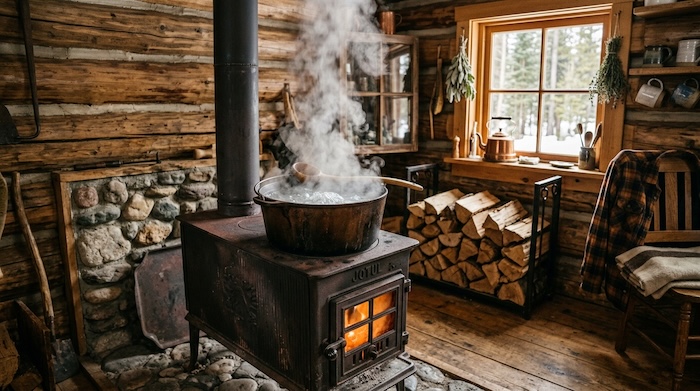
Filtration improves water quality, but purification is what helps make water safer to drink.
Purification focuses on removing or destroying harmful microorganisms that can cause illness, including:
- Bacteria
- Viruses
- Parasites
- Giardia
- E. coli
- Algae-related contaminants
If your water comes from rainwater collection, ponds, creeks, lakes, springs, or long-term storage tanks, purification should always be part of your water safety plan.
Even water that looks clean can contain contaminants that are impossible to see with the naked eye.
Common Off-Grid Water Purification Methods
Boiling Water
Boiling is one of the oldest and most reliable emergency water purification methods.
Bringing water to a rolling boil helps destroy many harmful microorganisms and can be an effective solution during:
- Power outages
- Storms
- Emergency situations
- Water contamination concerns
The downside is that boiling requires fuel and can become impractical for large daily water needs.
For most off-grid households, boiling works best as an emergency backup rather than a primary purification method.
UV Water Purification
UV purification systems use ultraviolet light to destroy microorganisms without adding chemicals to the water.
Many off-grid homeowners use UV water purifiers as part of a larger filtration system for:
- Rainwater systems
- Well water systems
- Surface water setups
UV systems work best when water has already been filtered to remove sediment and cloudiness.
When properly installed and maintained, UV treatment can provide an additional layer of protection for drinking water.
Ceramic Water Filters
Ceramic filters can remove many bacteria and parasites while operating without electricity.
They’re popular in:
- Gravity-fed systems
- Emergency preparedness setups
- Small cabin water systems
A properly rated gravity-fed ceramic water filter can make an excellent backup system during outages or winter emergencies.
Chlorination and Chemical Treatment
Chemical treatment methods can help disinfect water when other purification options are unavailable.
These methods are often used for:
- Emergency preparedness
- Short-term water treatment
- Outdoor recreation
- Temporary backup systems
When using any chemical treatment method, it’s important to follow the manufacturer’s instructions carefully to ensure water is treated safely and effectively.
Rainwater and Surface Water Require Extra Attention
Many people assume rainwater is naturally pure because it falls from the sky.
Unfortunately, rainwater can pick up contaminants from roofing materials, gutters, storage tanks, wildlife activity, and environmental pollution.
Likewise, ponds, creeks, lakes, and springs may contain bacteria, parasites, and other contaminants even when the water appears clean.
That’s why rainwater and surface water systems should always include:
- Filtration
- Purification
- Proper storage
- Regular testing
These layers work together to help create a safer drinking water supply.
Purification Is Only Part of Water Safety
No purification method should replace regular water testing.
Testing helps confirm that your treatment system is working properly and allows you to identify potential problems before they affect your household.
A reliable off-grid water system combines:
- Water storage
- Filtration
- Purification
- Water testing
- Backup systems
Together, these layers create a much more resilient and dependable water supply throughout the year.
Backup Water Strategies
One of the biggest lessons off-grid living teaches you is that systems eventually fail.
Pumps stop working. Power goes out. Pipes freeze. Storage tanks run dry. Filters clog. Winter storms happen.
That’s why redundancy is one of the most important parts of any off-grid water system.
A reliable setup should never depend entirely on a single water source, pump, storage tank, or filtration method.
Simple Off-Grid Water Backup Options
Every off-grid property should have at least one secondary way to access safe water.
Popular backup options include:
- Stored emergency water
- Gravity-fed filtration systems
- Portable water purification systems
- Secondary rainwater collection systems
- Backup storage barrels
- Emergency water containers
- Alternative water sources
- Manual water hauling equipment
The best backup system is often the one that is simple, reliable, and ready to use when needed.
Gravity-Fed Systems Make Excellent Backups
One reason gravity-fed water systems are so popular off-grid is because they continue working when electricity is unavailable.
During:
- Power outages
- Solar system failures
- Generator problems
- Winter emergencies
a gravity-fed system can continue providing drinking water while powered systems remain offline.
For many off-grid households, a gravity-fed water filter serves as both a primary filtration method and an emergency backup solution.
Emergency Water Storage Matters
Many people focus heavily on food storage while overlooking emergency water supplies.
In reality, water shortages become a problem much faster than food shortages.
Keeping emergency water reserves on hand can help you manage:
- Extended power outages
- Equipment failures
- Road closures
- Severe weather events
- Temporary contamination issues
Even a modest emergency reserve can provide valuable peace of mind.
Build Redundancy Into Every Layer
The strongest off-grid water systems include backup options at every stage.
That means having:
- A primary water source
- Backup water storage
- Multiple filtration options
- Emergency purification methods
- Seasonal contingency plans
Instead of depending on a single solution, you’re creating a layered system that remains functional when one component fails.
Self-Reliance Starts With Water Security
If your primary water system fails, you should not be scrambling to find safe drinking water.
That’s why backup systems matter.
Water security is one of the foundations of long-term off-grid self-reliance, especially in remote areas where help and supplies may not be immediately available.
Seasonal Considerations (Winter & Drought)
An off-grid water system needs to work year-round, not just during ideal conditions.
Winter cold, summer drought, power outages, and changing weather patterns can all affect water availability. Planning for seasonal challenges helps prevent small problems from turning into major emergencies.
The more prepared your water system is for changing conditions, the more reliable it becomes throughout the year.
Winter Protection for Off-Grid Water Systems
Winter can be one of the hardest tests for an off-grid water system.
I’ve dealt with frozen hoses, iced-up rain barrels, and frozen supply lines during cold snaps, and once your water system freezes, even simple daily chores become difficult very quickly.
Cold weather can damage:
- Water lines
- Pumps
- Pressure tanks
- Filters
- Storage barrels
- Outdoor fittings and valves
That’s why winter preparation is a critical part of any year-round off-grid water setup.
Ways To Protect Your Off-Grid Water System in Winter
A few simple preventative steps can prevent expensive repairs and major headaches later.
Helpful winter protection strategies include:
- Insulating exposed water pipes
- Using heat tape on vulnerable water lines
- Draining rain barrels before freezing temperatures arrive
- Protecting well heads from snow and ice buildup
- Keeping filters and pumps indoors when possible
- Insulating storage tanks and pump houses
- Allowing limited water movement in severe cold
Even basic pipe insulation or heat tape for water lines can prevent many common winter freeze-ups.
Winter Water Storage Matters Too
Water storage becomes even more important during winter because frozen lines or power outages can cut off your main water supply unexpectedly.
Keeping:
- indoor emergency water containers
- backup storage barrels
- gravity-fed filtration systems
can make winter outages much easier to manage.
Plan for Winter Before Problems Start
The best time to winterize an off-grid water system is before temperatures drop.
Once pipes freeze or pumps ice up, repairs become much harder — especially in remote areas.
Read the full guide here: How To Keep Water From Freezing Off Grid
Drought Planning
Drought conditions can put serious stress on an off-grid water system, especially if you rely heavily on rainwater collection, shallow wells, ponds, or hauled water.
Even areas that normally receive plenty of rain can experience dry seasons, heat waves, or lower-than-normal water levels.
That’s why drought planning should always be part of your long-term off-grid water strategy.
Ways To Prepare for Drought Conditions
A few simple preparations can make a huge difference during extended dry periods.
Helpful drought-planning strategies include:
- Increasing water storage capacity
- Installing additional rainwater tanks or barrels
- Reducing unnecessary water use
- Fixing leaks quickly
- Rotating stored emergency water
- Maintaining backup filtration systems
- Keeping emergency drinking water on hand
- Using water-efficient fixtures and pumps
Many off-grid homeowners gradually expand their storage systems over time as they learn how much water they actually use seasonally.
Water Conservation Becomes Critical During Dry Seasons
During drought conditions, conserving water becomes just as important as collecting it.
Simple habits can significantly reduce water consumption:
- Taking shorter showers
- Watering gardens efficiently
- Reusing water where appropriate
- Fixing leaks immediately
- Avoiding unnecessary water waste
Every gallon saved extends the usefulness of your stored water supply.
Backup Systems Matter Even More During Drought
Drought is another reason why redundancy matters so much off-grid.
Having:
- backup storage
- multiple filtration methods
- emergency drinking water
- secondary collection systems
can help protect your household when primary water supplies become limited.
Planning ahead is always easier than dealing with emergency water shortages later.
Water Testing and Safety
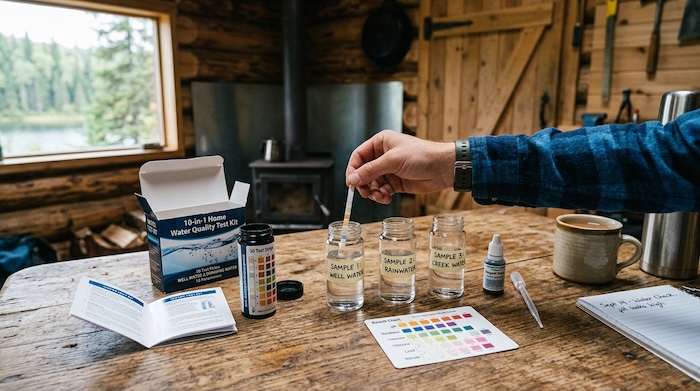
One of the biggest mistakes people make is assuming that clear water is safe water.
Unfortunately, many harmful contaminants are completely invisible. Water can look perfectly clean while still containing bacteria, parasites, heavy metals, or other substances that may affect your health.
That’s why regular water testing should be part of every off-grid water system.
Whether your water comes from a well, rainwater collection system, storage tank, pond, creek, lake, or hauled source, testing helps you understand exactly what you’re working with.
Why Water Quality Changes
Water quality is not static.
Conditions can change due to:
- Seasonal runoff
- Heavy rainfall
- Flooding
- Wildlife activity
- Aging storage tanks
- Changes in groundwater conditions
- Bacteria growth
- Environmental contamination
Even a water source that has been safe for years should be tested periodically.
What Water Testing Kits Can Check For
A basic drinking water test kit can help identify problems such as:
- Bacteria
- Nitrates
- pH imbalance
- Hard water minerals
- Chlorine levels
- Iron and sulfur
- Heavy metals
- Other contaminants
Testing allows you to identify problems early and determine whether your filtration and purification systems are working effectively.
Testing Helps You Build a Safer Water System
One of the benefits of water testing is that it helps prevent unnecessary spending.
Rather than guessing which filters you need, testing helps determine:
- Which contaminants are present
- Whether additional filtration is required
- If purification methods are working properly
- When filters may need replacement
- Whether stored water remains safe
The best water treatment system is one designed around actual test results rather than assumptions.
Create a Multi-Layered Water Safety System
A reliable off-grid water system should include multiple layers of protection:
- Water storage
- Filtration
- Purification
- Regular testing
- Emergency backup supplies
Each layer helps support the others.
If one component fails, the remaining layers continue helping protect your water supply.
Don’t Wait Until There’s a Problem
Many water quality issues develop gradually and may not be obvious until they become serious.
Routine testing helps identify problems before they affect your health, damage equipment, or contaminate stored water supplies.
If you’re unsure what to test for or which kits are most useful for off-grid water systems, read Water Quality Testing Kits for a complete guide to monitoring your water quality year-round.
Safe Water Starts With Knowledge
Clean water is one of the foundations of self-reliance.
The more you understand your water source, the better equipped you’ll be to make informed decisions about storage, filtration, purification, and long-term water safety.
Testing may not be the most exciting part of an off-grid water system, but it is one of the most important.
How to Build Your Off-Grid Water System Step by Step
Building an off-grid water system can feel overwhelming at first, especially when you’re looking at wells, pumps, storage tanks, filters, and backup systems all at the same time.
The good news is that most successful off-grid water systems are built gradually.
You don’t need to install everything at once.
The best approach is to start with the basics and improve your system over time as your needs, budget, and experience grow.
Step 1: Secure a Primary Water Source
Every water system starts with a reliable source.
Depending on your location, that may be:
- A drilled well
- Rainwater collection
- Hauled water
- A spring
- Surface water
Choose the source that best fits your property, climate, and long-term goals.
Step 2: Add Water Storage
Once you have a water source, your next priority should be storage.
Water storage provides a buffer during:
- Power outages
- Equipment failures
- Frozen lines
- Drought conditions
- Emergency repairs
Even a modest amount of stored water can significantly improve the reliability of your overall system.
Step 3: Create a Water Delivery System
After storage is in place, you’ll need a way to move water where it’s needed.
This may include:
- Gravity-fed systems
- Water pumps
- Pressure tanks
- Distribution lines
The goal is not necessarily maximum pressure but reliable water delivery throughout your property.
Step 4: Install Filtration
Filtration helps improve water quality and protects the rest of your system.
Depending on your water source, this may include:
- Sediment filtration
- Carbon filtration
- Ceramic filtration
- Whole-house filtration
The right filtration system depends on your specific water quality and intended use.
Step 5: Add Purification for Drinking Water
If your water is used for drinking, purification should be considered an essential layer of protection.
Many off-grid systems use:
- UV treatment
- Ceramic filtration
- Boiling
- Other approved purification methods
This step becomes especially important when using rainwater, surface water, or long-term water storage.
Step 6: Test Your Water Regularly
Water testing helps confirm that your system is working as intended.
Regular testing can identify:
- Bacteria contamination
- Changes in water quality
- Filtration issues
- Problems with storage systems
The information gained through testing helps guide future upgrades and maintenance.
Step 7: Build in Backup Systems
The final step is redundancy.
Every off-grid water system should include at least one backup plan.
This might include:
- Emergency water storage
- Alternative water sources
- Backup filtration
- Emergency purification methods
The most reliable systems are never dependent on a single source, pump, filter, or storage tank.
Start Simple and Improve Over Time
Most off-grid water systems evolve gradually.
You learn what works, what freezes, what breaks, and where additional backups are needed.
By building your system one layer at a time, you’ll create a water setup that becomes more dependable, resilient, and easier to maintain year after year.
The goal isn’t perfection.
The goal is reliable access to safe water whenever you need it.
Common Off-Grid Water System Mistakes
-
Most off-grid water problems are preventable with a little planning.
The challenge is that many people don’t discover weaknesses in their water system until something goes wrong—often during a power outage, equipment failure, drought, or winter freeze-up.
Water problems rarely happen at a convenient time.
Fortunately, many of the most common mistakes are easy to avoid.
Relying on a Single Water Source
One of the biggest mistakes is depending entirely on one source of water.
Whether it’s a well, rainwater collection system, pond, or hauled water supply, every water source has limitations.
Pumps can fail.
Storage tanks can run dry.
Drought conditions can reduce water availability.
Power outages can leave systems temporarily unusable.
Having backup water storage and alternative options greatly improves long-term reliability.
Not Storing Enough Water
Many people underestimate how much water they use each day.
Water is needed for:
- Drinking
- Cooking
- Cleaning
- Bathing
- Gardening
- Livestock care
Without adequate storage, even a short interruption can quickly become a major inconvenience.
Building storage capacity early is often one of the best investments you can make in your water system.
Skipping Filtration
Some people assume that clear water is automatically safe water.
Unfortunately, that’s not always true.
Sediment, bacteria, parasites, and other contaminants may be present even when water looks perfectly clean.
Proper filtration helps protect both your health and your equipment.
Ignoring Water Testing
Water quality can change over time.
A well that tested perfectly a year ago may not test the same today.
Rainwater systems, storage tanks, and surface water sources can also develop contamination issues if they aren’t monitored.
Regular testing helps identify problems before they become serious.
Forgetting About Winter
Cold weather is responsible for many off-grid water system failures.
Frozen pipes, damaged pumps, cracked fittings, and frozen storage tanks can create costly repairs and leave you without water when you need it most.
Preparing for winter before temperatures drop is far easier than dealing with emergency repairs later.
Overcomplicating the System
It’s easy to get caught up in building the “perfect” water system.
In reality, simple systems are often the most reliable.
A straightforward setup that is easy to maintain usually performs better than a complicated system with multiple failure points.
Focus on reliability first and expand gradually as your needs change.
Failing to Build Redundancy
Many water systems work perfectly—until they don’t.
That’s why redundancy is so important.
The strongest off-grid water systems include:
- Backup water storage
- Alternative water sources
- Multiple treatment methods
- Emergency reserves
If one component fails, the rest of the system continues working.
Learn From Other People’s Mistakes
Every off-grid property is different, but the lessons tend to be the same.
Plan ahead.
Store more water than you think you’ll need.
Test your water regularly.
Prepare for winter.
And always have a backup plan.
Following these simple principles will help you build a water system that is safer, more reliable, and better prepared for whatever nature throws at it.
-
Rainwater Collection and Storage
- Rain Barrel Starter Kit for Safe Everyday Use (Off-Grid Guide)
- Rainwater Filtration System Setup (Step By Step) Manual
- Off-Grid Water Storage Year Round: How To Store Water Safely In Every Season
- Ibc Tote Water Storage Is It Safe For Drinking Water
Water Filtration and Purification
- Best Off-Grid Water Filters: How To Find Safe Drinking Water Anywhere
- Off-Grid Water Filtration Systems Compared: Gravity, UV, Ceramic & Whole-House Options
- Water Quality Testing Kits
Water Pressure and Winter Protection
- How To Get Water Pressure Off-Grid (Pumps, Gravity & Simple Systems)
- How To Keep Water From Freezing Off-Grid
Surface Water and Backup Systems
Final Thoughts: Water Is the Foundation of Self-Reliance
Solar panels are helpful.
Heating systems are important.
Food storage is smart.
But water is foundational.
Without a reliable water supply, nearly every aspect of off-grid living becomes more difficult. Cooking, cleaning, gardening, livestock care, food preservation, and everyday comfort all depend on having access to safe water when you need it.
The good news is that building a dependable off-grid water system doesn’t have to happen all at once.
Start with a reliable source.
Add storage.
Improve filtration.
Include purification.
Test your water regularly.
Build in backups.
Over time, each layer makes your system stronger, safer, and more resilient.
I’ve learned that the most successful off-grid water systems aren’t necessarily the most expensive or complicated. They’re the ones that continue working when conditions aren’t perfect.
Whether you’re living off-grid full-time, building a seasonal cabin, or simply preparing for emergencies, investing time into your water system is one of the best investments you can make.
Water security is more than convenience.
It’s peace of mind.
And that’s one of the foundations of true self-reliance.
Disclaimer
Content on this site is for informational purposes only and reflects personal experience and research. Off-grid living conditions vary widely by location, so always verify local regulations and safety practices before making changes to your setup. Some links may be affiliate links, which help support this site at no additional cost to you.
updated May 2026