
How to Filter Rainwater for Drinking (Off-Grid Setup Guide)
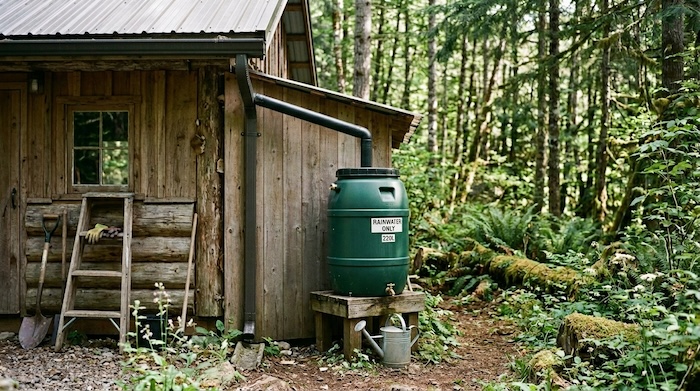
The rain barrel fills up after a solid downpour, and the water inside looks crystal clear. At first glance, it’s easy to think it’s ready to use for anything.
But just because rainwater looks clean doesn’t mean it’s safe for drinking, cooking, or even watering certain plants. Sometimes what you see isn’t what you get.
There’s a key step between collecting rainwater and actually putting it to use safely—and that step is filtration.
This guide walks you through how to set up a simple, reliable rainwater filtration system so you can safely use your water with confidence.
Why Rainwater Needs Filtration
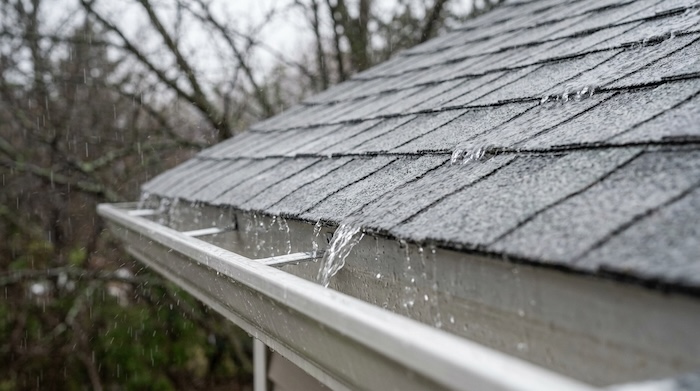
Rainwater doesn’t stay clean for long.
As it travels from your roof into your system, it can pick up:
- Leaves and twigs from overhanging trees
- Bird droppings (more common than you’d think)
- Dust, dirt, and pollen
- Bacteria and microscopic organisms
- Pollutants from the air and older roofing materials
Even water that looks spotless should always be filtered before use—especially if you plan to use it for drinking, cooking, or washing.
The 3-Stage Rainwater Filtration System
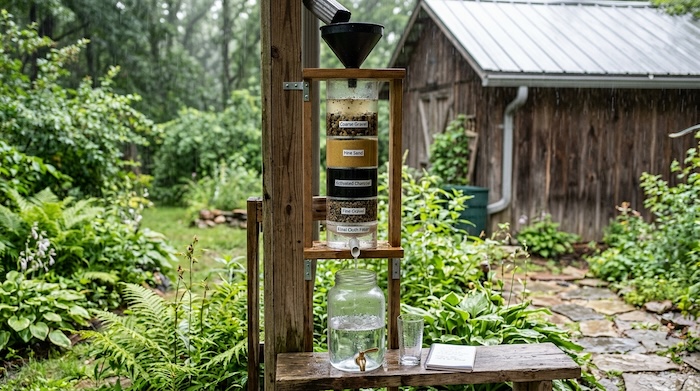
You don’t need a complicated setup to get clean water. A simple system built in layers works surprisingly well.
Here’s how it breaks down.
Stage 1: Pre-Filtration (Debris Defense)
This stage stops the biggest problems before they even reach your tank.
- Gutter guards block leaves and sticks
- A downspout diverter kit redirects the initial dirty flow
- A first flush diverter captures the dirtiest first runoff
This is one of the most important parts of your system—it keeps everything downstream cleaner and easier to manage.
If you’re starting from scratch, I walk through a simple setup here: rain-barrel starter kit
Stage 2: Storage Filtration (Keeping Water Clean in the Tank)
Once water reaches your storage tank, the goal shifts to keeping it clean.
- Mesh screens stop insects and debris
- An inline sediment water filter removes fine particles like sand and silt
I’ve added an inline sediment filter to my own setup, and it makes a noticeable difference—especially when pulling water for everyday use.
If you’re working on your storage setup, these guides help:
https://off-grid-cabin.com/off-grid-water-storage-year-round/
https://off-grid-cabin.com/ibc-tote-water-storage/
Stage 3: Drinking Water Filtration
This is where you make your water usable for drinking.
- Carbon filters improve taste and reduce chemicals
- Gravity-fed filters (like Berkey-style systems) filter water without power
- Ceramic filters remove fine particles and many microbes
A simple setup might include a gravity water filter system or a carbon water filter depending on how you plan to use your water.
For a deeper breakdown: https://off-grid-cabin.com/best-off-grid-water-filters/
https://off-grid-cabin.com/off-grid-water-filtration-systems-compared/
Filtration vs. Purification (Know the Difference)
This is where a lot of people get tripped up.
- Filtration removes dirt, debris, and some contaminants
- Purification kills bacteria and viruses
If you’re drinking rainwater, you often need both.
Common purification methods:
- Boiling water for at least 1 minute
- Using a portable UV water purifier
- Carefully adding small amounts of unscented household bleach
Filtration makes water cleaner.
Purification makes it safer.
Testing Your Water (Don’t Skip This)
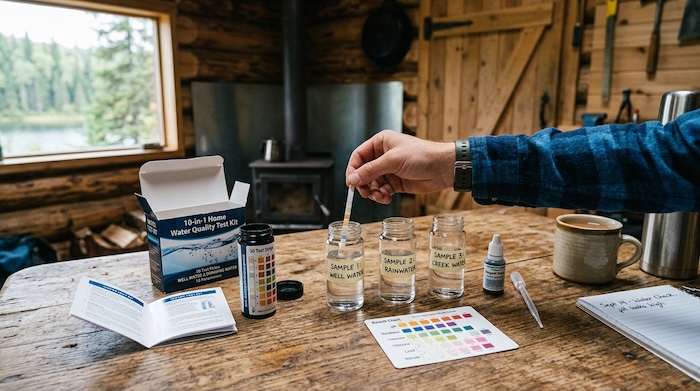
Even with a solid system, testing is the only way to know what’s really in your water.
A basic drinking water test kit can check for:
- Bacteria
- Nitrates
- Chemical contaminants
Test your water:
- After heavy rainfall
- At the start of each season
- Anytime you change your setup
For help choosing a kit: https://off-grid-cabin.com/water-quality-testing-kits/
Simple Rainwater Filtration Setup (Step-by-Step)
Here’s a basic setup you can follow:
- Install gutter guards to block large debris
- Add a downspout diverter to redirect initial runoff
- Install a first flush diverter for extra protection
- Collect water in a food-grade barrel or IBC tote
- Add an inline sediment filter at the outlet
- Run water through a carbon or gravity filter
- Purify water if using it for drinking
This setup is simple, affordable, and easy to expand over time.
Seasonal Considerations
Winter
- Drain barrels to prevent cracking
- Protect pipes and filters from freezing
- Store sensitive components indoors
Full winter guide here: https://off-grid-cabin.com/how-to-keep-water-from-freezing-off-grid/
Summer
- Keep tanks shaded to reduce algae growth
- Watch for evaporation during dry periods
- Clean filters more frequently
Common Mistakes
- Skipping the first flush system
- Drinking unfiltered rainwater
- Using non-food-grade containers
- Not maintaining your system
- Assuming clear water is safe
Final Thoughts
Rainwater collection is one of the easiest ways to build a reliable off-grid water system—but filtration is what makes it truly usable.
With a simple setup, regular testing, and a bit of maintenance, you can turn rainwater into a dependable resource for everyday use.
If you want to see how everything fits together—from source to storage to backup systems—this guide pulls it all together:
https://off-grid-cabin.com/off-grid-water-system-guide/
This post is for informational purposes only and based on personal experience. Always verify water safety for your own setup and consult a professional if needed. This post may also contain affiliate links, which help support the site at no extra cost to you.
© 2026, Teresa. All rights reserved.