
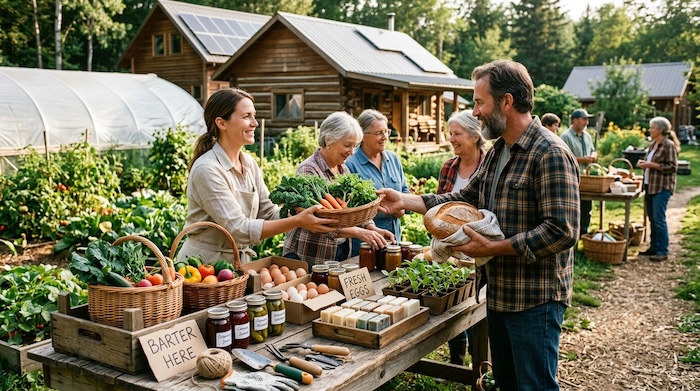
When people think about bartering, they often picture simply trading eggs for firewood or homemade soap for garden vegetables. But building an actual bartering network in your community goes far beyond occasional trades. A successful barter community creates connections between neighbors, helps people share skills and resources, and can even make a community more resilient during difficult times.
If you’re working toward greater self-sufficiency, you may also enjoy reading my post on How to Grow Food When Supply Chains Fail to learn practical ways to produce more of your own food locally.
Whether you live off-grid, in a rural area, or even in a small town, starting a local barter network is often easier than people think. The key is creating a system that feels welcoming, organized, and useful for everyone involved.
Why Communities Are Returning to Bartering
Many people are looking for ways to rely less on expensive supply chains and rising prices. Others simply miss the sense of community that comes from neighbors helping neighbors.
A barter network allows people to exchange:
- Skills
- Food
- Handmade goods
- Services
- Tools
- Seeds and plants
- Livestock supplies
- Repair help
- Homegrown produce
- Preserved foods
The biggest advantage is that people can contribute what they already have instead of spending cash.
Building food storage and preservation skills can also make bartering easier because preserved foods are always valuable trade items. See my guide on Long-Term Food Storage for Off-Grid Living for more ideas.
Start Small Instead of Trying to Build a Huge Group
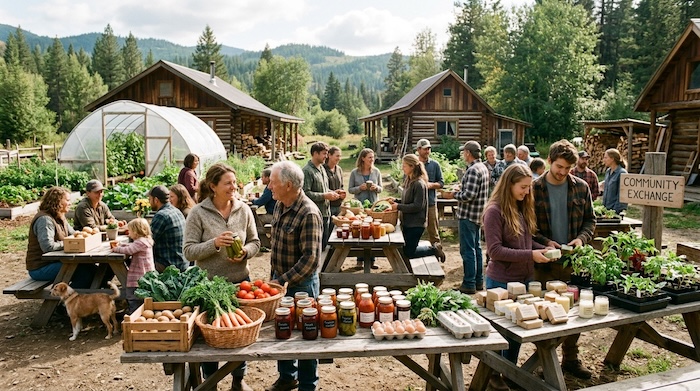
One of the biggest mistakes people make is trying to launch a large organized barter system right away.
It usually works better to begin with just a few trusted people.
Start by reaching out to:
- Friends
- Neighbors
- Gardening groups
- Homesteading communities
- Local Facebook groups
- Farmers market vendors
- Church groups
- Crafting communities
Even a small group of 5–10 active people can create enough momentum to grow naturally over time.
Decide What Type of Bartering Network You Want
Not every barter community operates the same way. Before inviting people in, think about the style of network you want to create.
Casual Trading Circle
This is the easiest option. People simply post items or services they want to trade.
Examples:
- Fresh eggs for canning jars
- Firewood splitting for garden produce
- Homemade soap for sewing repairs
This style works especially well in rural communities.
Skill-Sharing Network
Some people may not have physical goods to trade but have valuable skills.
Examples:
- Carpentry
- Gardening advice
- Animal care
- Plumbing
- Baking
- Food preservation
- Mechanical repairs
- Website help
Skill-based trading often becomes the backbone of a strong barter community.
Community Swap Events
Hosting regular swap days gives people a chance to meet face to face.
Ideas include:
- Seed swaps
- Tool exchanges
- Clothing swaps
- Pantry exchanges
- Homemade goods markets
- Livestock feed exchanges
These events help build trust much faster than online-only groups.
Create a Simple Way for People to Communicate
A barter network needs a central place where people can connect.
One thing that helps during outdoor swap events is having a portable setup people can gather around. A folding camping table works well for displaying trade items at community barter days and outdoor swaps.
Some easy options include:
- Facebook groups
- Community bulletin boards
- WhatsApp groups
- Telegram groups
- Email lists
- Printed flyers at local stores
- Community hall notice boards
Keep the system simple at first. Complicated rules can discourage participation early on.
Encourage People to List What They CAN Offer
One challenge with bartering is that people often focus only on what they need.
A stronger system happens when people openly share what they can provide.
Encourage members to post things like:
- Extra seedlings
- Fresh bread
- Homemade jams
- Firewood
- Welding help
- Fence repairs
- Sewing
- Childcare
- Animal sitting
- Fresh herbs
- Honey
- Eggs
- Hunting knowledge
- Fishing gear repairs
If you’re trading homemade foods, preserves, or baked goods, glass mason jars are one of the most useful items to keep on hand for packaging and bartering homemade products safely.
Sometimes people do not realize how valuable their everyday skills are.
Build Trust Slowly
Trust is one of the most important parts of any barter network.
People are far more likely to participate when they feel comfortable with the group.
A few ways to build trust include:
- Meeting in public places
- Starting with small trades
- Encouraging honest communication
- Creating clear expectations
- Allowing members to leave reviews or recommendations
- Hosting in-person gatherings
Over time, strong barter communities often become close-knit support systems.
Organize Seasonal Trading Opportunities
Different seasons naturally create different barter opportunities.
Spring
- Seeds
- Seedlings
- Garden tools
- Compost
- Chickens or chicks
Summer
- Fresh produce
- Herbs
- Berries
- Preserves
- Honey
Fall
- Firewood
- Canning supplies
- Root vegetables
- Hunting gear
- Winter clothing
Winter
- Mechanical repairs
- Woodworking
- Soap making
- Sewing
- Home repairs
Seasonal trading keeps the network active year-round.
Host a Community Barter Day
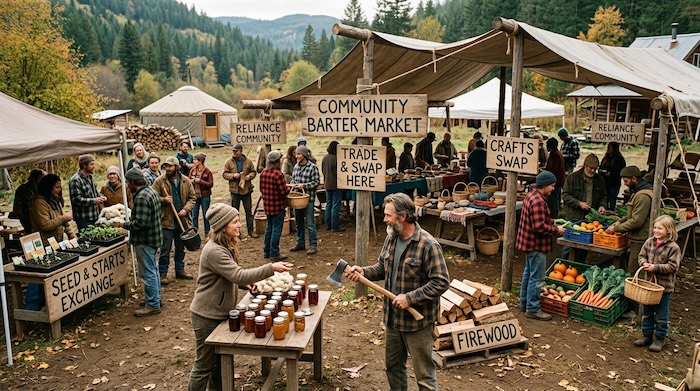
One of the best ways to grow a barter network is by organizing a simple community gathering.
You do not need anything fancy.
Simple outdoor setups work perfectly for small barter gatherings. Portable canopy tents can make community swap days much more comfortable during hot sun or rainy weather.
Possible locations:
- Community halls
- Farms
- Local parks
- Church parking lots
- Farmers markets
- Backyard gatherings
People can bring:
- Extra produce
- Handmade goods
- Preserved foods
- Tools
- Livestock equipment
- Seeds
- Clothing
- Books
Face-to-face events help people feel more comfortable participating in future trades.
Consider a Community Skill Board
Sometimes people need help but do not know who to ask.
A simple skill board can help connect people.
Examples:
- Chainsaw sharpening
- Fence repairs
- Greenhouse setup
- Soap making lessons
- Pressure canning help
- Small engine repairs
- Food dehydrating
- Sewing or mending
This turns the barter group into more than just a trading system—it becomes a local resource network.
Keep Rules Minimal at First
Too many rules can make people lose interest quickly.
At the beginning, keep things basic:
- Be respectful
- Communicate clearly
- Follow through on trades
- Meet safely
- Be honest about item condition
As the group grows, you can always add more structure if needed.
Use Bartering to Strengthen Community Resilience
A strong barter network is not just about saving money.
It helps communities:
- Share resources
- Reduce waste
- Build friendships
- Learn new skills
- Become more self-sufficient
- Support neighbors during difficult times
In many ways, bartering brings back the kind of local cooperation that communities used to depend on regularly.
Final Thoughts
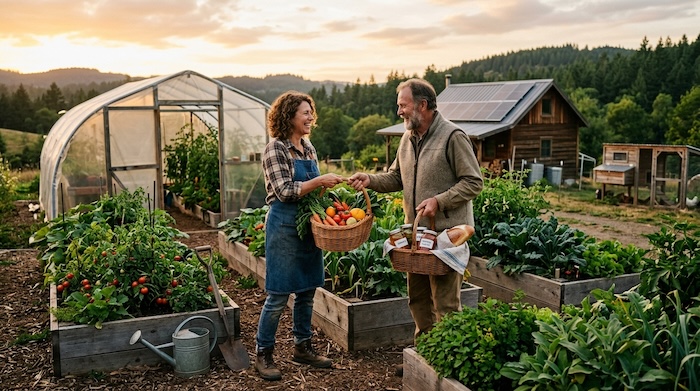
Starting a bartering network does not require a huge organization or complicated system. Most successful barter communities begin with just a few people willing to share skills, goods, and resources with each other.
The most important part is simply getting people talking again.
Once neighbors realize how much they can help each other, bartering often grows naturally into something much larger than simple trades.
Disclosure
This post may contain affiliate links, including Amazon affiliate links. If you purchase through these links, I may earn a small commission at no extra cost to you. The information shared on this website is based on personal experience and research and is intended for general informational purposes only. Always use proper safety precautions and follow manufacturer guidelines when using tools, equipment, or outdoor gear.
© 2026, Teresa. All rights reserved.