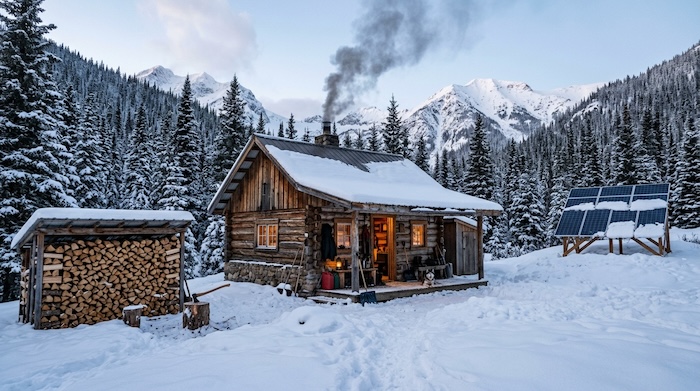
Winter off-grid living can be one of the most rewarding times of the year, but it can also turn into a real struggle if you’re not prepared ahead of time. Once the snow starts piling up and temperatures drop, even simple daily chores can take twice as long. I’ve learned over the years that winter prep isn’t something you leave until the first snowfall. The best off-grid winters happen when you prepare early, stock up properly, and make sure your systems can handle the cold before winter fully sets in.
If you live off-grid, winter preparation isn’t just about comfort. It’s about keeping your water flowing, your heat working, your food accessible, and your power system reliable when conditions get rough.
Table of Contents
- Why Winter Preparation Matters Off-Grid
- Heating Your Off-Grid Home
- Stocking Up on Firewood
- Preparing Your Water System
- Protecting Your Solar Power System
- Food Storage and Winter Supplies
- Backup Power and Emergency Supplies
- Preparing Vehicles and Access Roads
- Livestock and Animal Winter Prep
- Winter Clothing and Staying Warm
- Winter Safety Off-Grid
- Final Thoughts
Why Winter Preparation Matters Off-Grid
Living off-grid means you’re responsible for your own systems. There’s no city crew fixing frozen water lines, no maintenance department clearing your road, and no guarantee the power will stay on if your setup fails.
Winter problems tend to happen fast. A frozen pipe can burst overnight. A weak battery bank may struggle after several cloudy days. Snow can completely cover solar panels. Firewood piles disappear faster than expected when temperatures plunge.
That’s why preparing early matters so much.
I usually start serious winter prep in late summer or early fall while the weather is still decent enough to work outside comfortably.
If winter water systems are something you’re worried about, you may also want to read my posts on How To Keep Water From Freezing Off-Grid and Off-Grid Water Storage Year Round for more ideas on protecting your water supply during freezing temperatures.
Heating Your Off-Grid Home
Heat becomes your number one priority once winter arrives.
Most off-grid homes rely heavily on wood heat, propane, or a combination of both. Even if you have another heating source, having a backup heat source is incredibly important.
A wood stove is one of the most dependable ways to stay warm off-grid because it doesn’t rely on the electrical grid to function.
If you use a wood stove regularly, make sure to:
- Clean the chimney before winter
- Inspect stovepipes for creosote buildup
- Check firebricks and door seals
- Test smoke and carbon monoxide detectors
- Store extra matches and fire starters nearby
A good magnetic wood stove thermometer can help improve stove efficiency and reduce creosote buildup. I also strongly recommend having a reliable carbon monoxide detector installed anywhere you burn wood or propane.
Some other useful winter wood stove supplies include fireproof fireplace gloves and a good chimney cleaning kit before the cold weather arrives.
You may also enjoy reading my posts on Rocket Mass Heater Beginner Guide and Best Small Wood Stoves For Cabins if you’re still deciding on heating options for your off-grid setup.
Stocking Up on Firewood
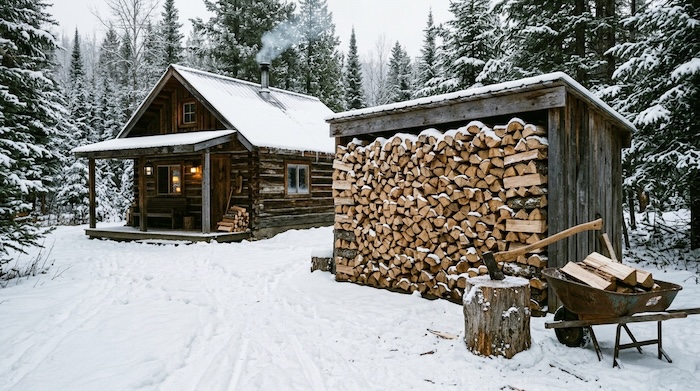
One thing I’ve learned the hard way is that you almost always need more firewood than you think.
Wet or poorly seasoned wood burns inefficiently and creates more creosote buildup in your chimney. Ideally, firewood should dry for at least 6 to 12 months before burning.
Before winter arrives:
- Stack wood off the ground
- Cover the top while allowing airflow
- Keep a dry supply close to the house
- Split smaller kindling ahead of time
- Bring several days’ worth indoors during cold snaps
If heavy snow is common where you live, make sure your woodpile stays accessible all winter long.
A heavy duty log splitter can save a huge amount of work if you heat primarily with wood. I also like using a sturdy firewood rack outdoor setup to keep wood dry and organized.
For making kindling quickly, a kindling splitter works surprisingly well, and a simple moisture meter for firewood helps make sure your wood is properly seasoned before burning.
Preparing Your Water System
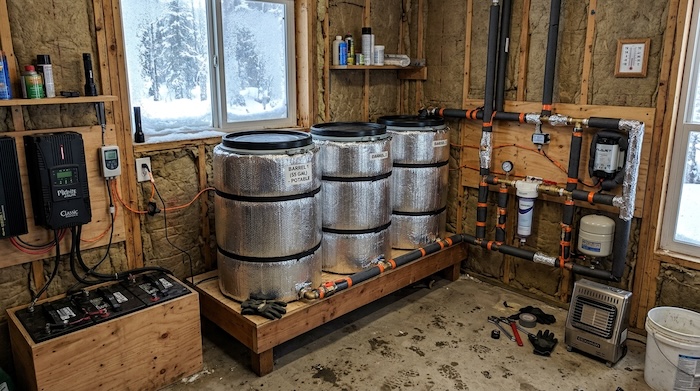
Frozen water systems are one of the biggest headaches during winter off-grid living.
Any exposed pipes, hoses, pumps, or storage tanks are at risk once temperatures drop below freezing.
Things that help protect an off-grid water setup include:
- Heat tape on vulnerable pipes
- Pipe insulation
- Indoor water storage backups
- Insulated pump houses
- Heated livestock waterers
- Keeping water moving when possible
I also like keeping extra drinking water stored indoors in case something freezes unexpectedly.
If you collect rainwater, winter is a good time to disconnect and drain certain outdoor components before they freeze solid.
A reliable heated water hose can prevent endless winter frustration, especially around livestock or temporary setups. I also keep extra pipe heat tape and foam pipe insulation on hand every winter.
Indoor backup water storage becomes really important once temperatures stay below freezing. Having a few food grade water storage containers indoors can make a huge difference if pipes freeze unexpectedly.
For more water system ideas, check out my posts on:
- Off-Grid Water System Guide
- Rain Barrel Starter Kit For Safe Everyday Use
- Best Off-Grid Water Filters
- IBC Tote Water Storage: Is It Safe For Drinking Water?
Protecting Your Solar Power System
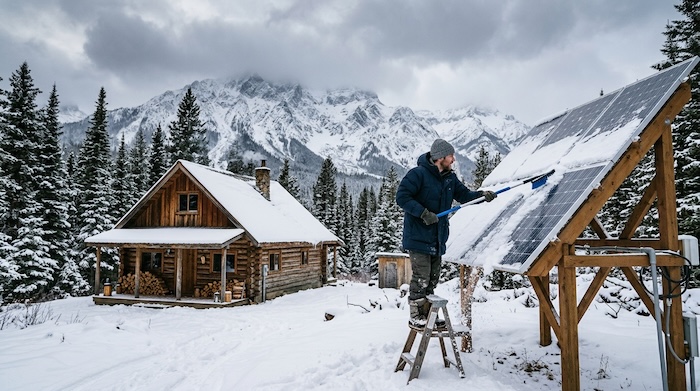
Winter can be tough on solar systems. Shorter daylight hours, cloudy skies, and snow-covered panels all reduce power production.
A few things that help a lot:
- Clear snow off solar panels quickly
- Check battery health before winter
- Monitor battery temperatures
- Reduce unnecessary power usage
- Keep a backup generator ready
Battery performance drops significantly in extreme cold, especially with some lithium batteries. If possible, keep batteries in an insulated or heated area.
I also find winter is the time when energy efficiency really matters. LED lighting, efficient appliances, and careful power management make a huge difference during long cloudy stretches.
A lightweight solar panel snow rake makes snow clearing much easier without damaging panels. Many off-grid setups also benefit from upgrading to a quality deep cycle lithium battery bank before winter hits.
I never like going into winter without a reliable portable inverter generator for backup charging during extended cloudy periods. A good battery monitor kit also helps you keep an eye on battery health before problems become serious.
You may also want to read:
Food Storage and Winter Supplies
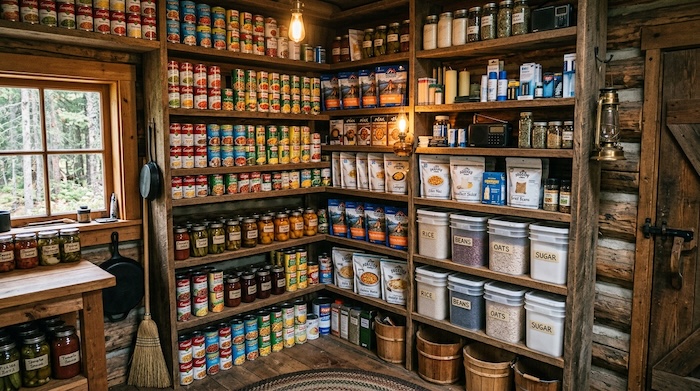
Winter storms can make roads impassable for days or even weeks depending on where you live.
That’s why I always recommend having extra food and household supplies stored before winter starts.
Focus on foods that:
- Store well long term
- Require minimal refrigeration
- Can be cooked easily during power outages
- Provide high calories and nutrition
Some useful winter pantry staples include:
- Rice
- Beans
- Pasta
- Flour
- Oats
- Freeze-dried meals
- Canned goods
- Cooking oil
- Coffee and tea
Don’t forget pet food, livestock feed, medications, toiletries, batteries, and propane supplies too.
For long-term food storage, I use food grade 5 gallon buckets along with mylar food storage bags to help protect dry goods from moisture and pests.
If you’re serious about preserving food off-grid, a Harvest Right freeze dryer can be a huge investment in long-term food security. I also use a vacuum sealer machine regularly for storing meat, garden produce, and dry foods.
Related posts you may enjoy:
Backup Power and Emergency Supplies
Even reliable off-grid systems can run into trouble during winter.
Backup systems help prevent small problems from becoming emergencies.
Some important emergency items include:
- Backup generator fuel
- Flashlights and lanterns
- Spare batteries
- First aid supplies
- Emergency radio
- Chainsaw fuel and oil
- Tire chains
- Snow shovels
I also keep emergency heating options available just in case one system fails.
An emergency weather radio can be extremely useful during severe winter storms when internet or cell service becomes unreliable.
I also keep several LED rechargeable lanterns charged at all times during winter. A small portable propane heater can provide emergency heat if your main heating system fails unexpectedly.
Snow removal tools matter too, and a strong heavy duty snow shovel becomes essential once the storms start piling up.
Preparing Vehicles and Access Roads
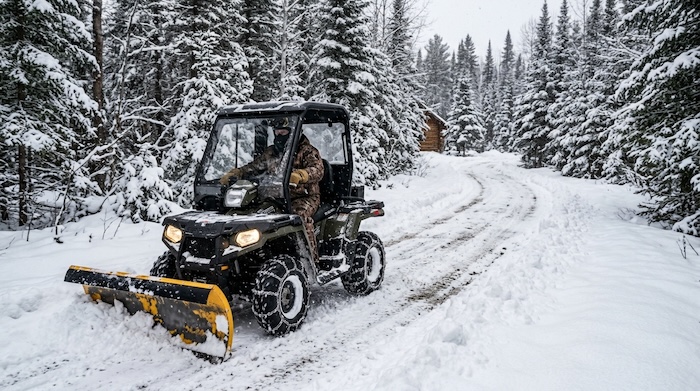
Getting stranded during winter off-grid living can quickly become dangerous.
Before winter:
- Install winter tires
- Carry recovery gear
- Service snowmobiles or ATVs
- Keep extra fuel stored safely
- Check chains, winches, and batteries
If your property has a long driveway or remote access road, snow removal equipment becomes extremely important.
We rely heavily on our ATV and snowplow setup through winter.
A solid ATV snow plow kit can make winter road maintenance much easier. I also keep tire chains for ATV use ready once snow conditions get bad.
Cold weather is hard on batteries, so I always carry a portable jump starter in winter. A durable recovery tow strap is another piece of gear I never like being without during snowy season.
You may also want to check out:
- ATV Snowplow Setup Guide
- Best Snow Sleds For Off-Grid Living
Livestock and Animal Winter Prep
Animals need extra care during winter too.
Make sure livestock areas are:
- Dry
- Protected from wind
- Properly ventilated
- Easy to access in deep snow
Water is usually the biggest issue. Heated waterers or regular ice breaking become part of daily chores during freezing temperatures.
It’s also smart to stock extra feed before roads become difficult.
A dependable heated chicken waterer can save a lot of time during freezing weather. Larger animals often benefit from a heated livestock bucket to help keep water available through extreme cold.
I also like using an automatic chicken coop door during winter because daylight hours get short fast. Keeping an outdoor livestock thermometer nearby helps monitor temperatures inside shelters and coops.
Winter Clothing and Staying Warm
Good winter clothing makes off-grid life much easier.
Layering is key because outdoor chores can quickly leave you sweating, which becomes dangerous once temperatures drop again.
Essential winter gear includes:
- Insulated boots
- Wool socks
- Waterproof gloves
- Thermal base layers
- Heavy winter jackets
- Headlamps for dark evenings
A quality merino wool thermal base layer helps regulate body temperature while staying comfortable during long outdoor chores.
I also rely heavily on durable insulated winter work gloves and waterproof snow boots once deep winter arrives.
Since winter days get dark early, having a dependable LED rechargeable headlamp becomes incredibly useful for evening chores and emergency situations.
Winter Safety Off-Grid
Winter conditions can become dangerous quickly when living remotely.
A few things I always pay close attention to:
- Carbon monoxide risks
- Slippery walkways
- Falling snow or ice from roofs
- Frozen fuel lines
- Emergency communication plans
Always let someone know your plans if traveling long distances in severe winter weather.
Keeping backup communication devices can also provide peace of mind in remote areas.
A satellite emergency communicator can be incredibly valuable if you live in an area with unreliable cell service.
For icy conditions around the property, traction cleats for ice make walking much safer. Heavy snowfall can also create dangerous roof buildup, so I keep a roof snow rake handy through winter.
Every off-grid home should also have a well-stocked emergency first aid kit available year-round.
Final Thoughts
Preparing for winter off-grid takes time, but it’s one of the best investments you can make for a safer and more comfortable season.
The more prepared you are before the cold weather hits, the easier winter life becomes. Having reliable heat, protected water systems, backup power, stocked food supplies, and proper equipment can make the difference between simply surviving winter and actually enjoying it.
Living off-grid during winter isn’t always easy, but with solid preparation, it can be one of the most peaceful and rewarding times of the year.
Disclosure
This post may contain affiliate links, including Amazon affiliate links. If you purchase through these links, I may earn a small commission at no extra cost to you. The information shared on this website is based on personal experience and research and is intended for general informational purposes only. Always use proper safety precautions and follow manufacturer guidelines when using tools, equipment, or outdoor gear.
© 2026, Teresa. All rights reserved.