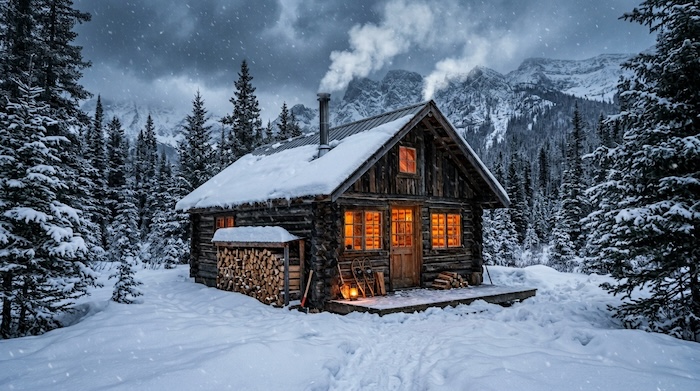
Winter storms can turn off-grid living from peaceful and cozy into a real survival challenge fast. I’ve seen storms roll in that dumped heavy snow overnight, knocked trees across roads, and left us digging out for days just to get basic chores done. When you live off-grid, there’s no city crew coming to clear your driveway or restore power lines. You are your own backup plan.
The good news is that with the right preparation, winter storms become a whole lot easier to handle. Over the years, I’ve learned that staying safe during bad weather mostly comes down to planning ahead, having reliable backup systems, and avoiding small mistakes that can turn into big problems once temperatures drop.
Table of Contents
- Prepare Before the Storm Hits
- Have More Than One Heat Source
- Store Plenty of Water
- Keep Emergency Food Supplies Ready
- Protect Your Power Systems
- Stay Ahead of Snow Removal
- Keep Your Vehicle Winter Ready
- Use Generators Safely
- Watch for Carbon Monoxide Dangers
- Protect Livestock and Pets
- Have Emergency Communication Options
- Keep Medical Supplies Stocked
- The Right Mindset Matters
Prepare Before the Storm Hits
The biggest mistake people make is waiting until the storm warning is already out before getting ready. Off-grid living requires thinking ahead because once the roads disappear under snow, you may be stuck for days or even weeks.
I always try to prepare early whenever heavy snow, freezing rain, or strong winds are forecast. That means:
Filling fuel cans
Charging battery banks
Bringing extra firewood closer to the house
Stocking animal feed
Checking generators
Filling water containers
Testing backup heat sources
Winter storms are stressful enough without scrambling around in freezing weather trying to fix problems at the last minute.
You may also want to read my post on internal link suggestion: How To Keep Water From Freezing Off-Grid and Off-Grid Water Storage Year-Round.
Have More Than One Heat Source
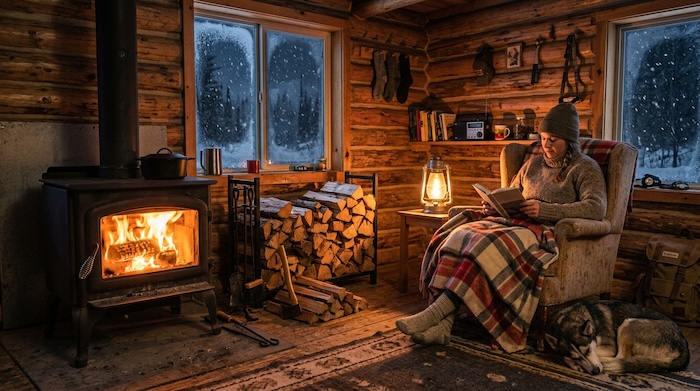
Heat is absolutely critical during winter storms. Never rely on only one heating system when living off-grid.
Wood stoves are one of the most dependable options because they continue working even if your solar system struggles during cloudy weather. We always keep extra dry firewood stacked under cover long before winter starts.
I highly recommend keeping a wood stove thermometer nearby so you can safely monitor stove temperatures during long burns. A pair of fireproof fireplace gloves also makes handling hot stove doors and firewood much safer during freezing weather.
Safety is just as important as warmth. Every off-grid home should have a reliable carbon monoxide detector installed near sleeping areas and heating systems. We also keep a sturdy ash bucket with lid beside the wood stove for safely handling hot ashes.
If you use propane heat, make sure you have enough fuel stored to last longer than expected. Storms have a way of dragging on.
I also recommend keeping extra blankets, sleeping bags, and thermal clothing easily accessible. If indoor temperatures drop unexpectedly, layering warmth can make a huge difference.
If you rely on wood heat, check out my guide on Best Small Wood Stoves for Off-Grid Cabins.
Store Plenty of Water
Water systems can freeze fast during severe winter weather. Frozen pipes, iced-over tanks, or pump failures are extremely common off-grid.
I always keep backup drinking water indoors during winter storms because once outdoor systems freeze, getting water becomes a lot harder.
Good emergency water options include:
- Food-grade water containers
- Large water jugs
- Indoor emergency water barrels
- Melted snow (filtered and boiled if needed)
Keeping several food-grade water storage containers indoors can make a huge difference during long cold snaps. I also like having a dependable gravity-fed water filter system ready in case snowmelt or stored water needs filtering during emergencies.
For extra preparedness, a package of water purification tablets is worth keeping in your emergency supplies.
You can also read Best Off-Grid Water Filters: How To Find Safe Drinking Water Anywhere for more backup water ideas.
Keep Emergency Food Supplies Ready
Winter storms can trap you at home longer than expected. Always keep enough food on hand for at least a couple of weeks.
I try to focus on foods that:
- Store well
- Require little preparation
- Can cook on a wood stove or propane burner
- Provide good calories in cold weather
Some of my staples include:
- Rice
- Beans
- Pasta
- Canned soups
- Oats
- Freeze-dried meals
- Coffee and tea
- Shelf-stable milk
We also keep a few freeze-dried emergency food kits tucked away for backup meals during severe weather. A dependable portable camp stove is another smart backup if your main cooking setup goes down.
One item I use constantly during winter is a good cast iron Dutch oven since it works perfectly on wood stoves, propane burners, or open flames.
If you’re building long-term food reserves, my Food Preservation section has several off-grid storage ideas.
Protect Your Power Systems
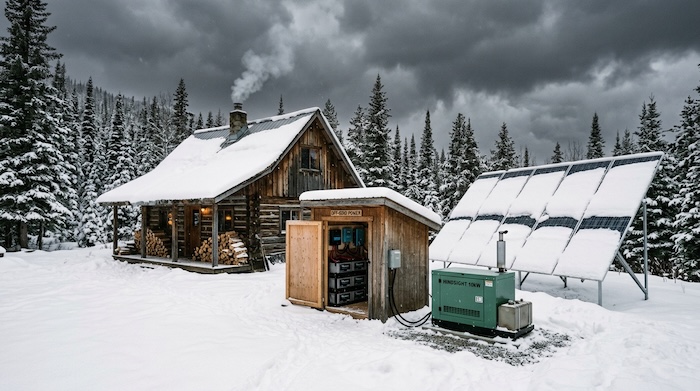
Solar systems can struggle during winter storms, especially if snow covers panels for days.
One thing I learned quickly is that snow buildup can dramatically reduce charging capacity. After heavy snowfall, panels may need careful clearing.
Important winter checks include:
- Battery temperatures
- Charge levels
- Generator backup fuel
- Inverter ventilation
- Solar panel snow buildup
A lightweight soft solar panel snow rake makes clearing panels much easier without damaging the surface. Reliable deep cycle lithium batteries can also perform better during cold weather compared to older battery setups.
For extra backup power, many off-grid homes now rely on a portable solar generator during emergencies.
You may also want to read Power & Energy for Off-Grid Cabins for more winter backup ideas.
Stay Ahead of Snow Removal
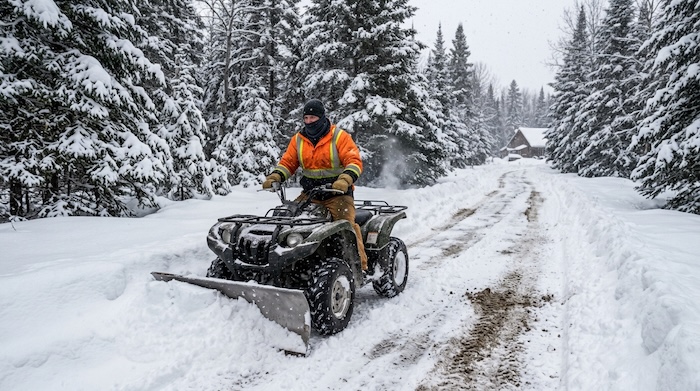
Deep snow can isolate an off-grid property quickly. Keeping paths open matters for safety, especially if you need emergency access.
We use both shovels and equipment to stay ahead of snow buildup. Even clearing a small area every few hours during heavy snowfall is easier than dealing with huge drifts later.
A durable heavy-duty snow shovel is one tool we constantly rely on through winter. For larger snowfalls, an ATV snow plow kit can save a huge amount of time and effort.
I also strongly recommend keeping a pair of ice cleats for boots handy because icy walkways become dangerous fast during freeze-thaw cycles.
I also wrote about the setup we use in ATV Snowplow A Must This Winter.
Keep Your Vehicle Winter Ready
Your vehicle may become your emergency lifeline during a winter storm. I never head into winter without a proper emergency kit.
A winter vehicle kit should include:
- Tow straps
- Jumper pack
- Blankets
- Extra gloves
- Flashlights
- Food
- Water
- Small shovel
- Tire chains
A reliable portable jump starter can be a lifesaver when batteries struggle in freezing temperatures. I also recommend keeping a complete vehicle emergency winter kit in your truck or SUV all winter long.
A strong recovery tow strap is another off-grid essential if roads become icy or snow-covered.
If roads become dangerous, staying home is often the safest option.
Use Generators Safely
Generators are incredibly helpful during storms, but they also come with risks.
Never run a generator inside a cabin, garage, or enclosed area. Carbon monoxide buildup can happen very quickly and is deadly.
Generators should always be:
- Outdoors
- Well ventilated
- Protected from snow and rain
- Positioned away from windows and doors
A durable generator cover tent can help protect equipment during storms while still allowing proper ventilation. Many off-grid homes also benefit from keeping a dependable portable inverter generator ready for backup charging and emergency power.
Heavy-duty outdoor-rated heavy-duty extension cords are another must-have for safely powering essential equipment.
Watch for Carbon Monoxide Dangers
Winter storms often mean windows stay shut tight, which increases the danger of carbon monoxide buildup.
Anything that burns fuel can produce carbon monoxide, including:
- Wood stoves
- Propane heaters
- Generators
- Camp stoves
Every off-grid cabin should have working carbon monoxide detectors installed.
We keep a dependable battery-powered carbon monoxide detector installed year-round. This is one safety item I never skip.
This is one safety item I never skip.
Protect Livestock and Pets
Animals need extra care during severe winter weather too.
Make sure livestock and pets have:
- Wind protection
- Dry bedding
- Ice-free water
- Extra feed
- Shelter from drifting snow
Chickens especially struggle during deep cold if coops become damp or drafty.
You may also enjoy reading Self-Sufficient on a Homestead for more practical homestead tips.
Have Emergency Communication Options
Cell service can become unreliable during severe storms, especially in rural areas.
I always recommend having backup communication methods available such as:
- Battery radios
- Walkie-talkies
- Satellite communicators
- Power banks for phones
A dependable emergency weather radio is one of the best tools for staying informed during severe storms. I also keep a fully charged portable power bank ready for phones and small electronics.
For remote properties, a satellite emergency communicator can provide extra peace of mind if regular service fails.
Weather alerts are extremely important when living remotely.
Keep Medical Supplies Stocked
Getting to town may not be possible during a severe storm.
Your emergency supplies should include:
- First aid kit
- Prescription medications
- Pain relievers
- Bandages
- Hand warmers
- Backup glasses if needed
A well-stocked large emergency first aid kit is something every off-grid home should keep easily accessible. We also use rechargeable hand warmers constantly during extreme cold weather.
A few compact emergency survival blankets are also smart to keep in both your home and vehicle emergency kits.
Small medical issues become much harder to manage when roads are blocked.
The Right Mindset Matters
One thing winter storms teach you pretty quickly is the importance of staying calm and thinking ahead.
Off-grid life during winter is all about resilience. Storms happen. Equipment breaks. Snow piles up. But preparation makes a massive difference.
I’ve found that keeping extra supplies, staying organized, and handling little problems early usually prevents bigger emergencies later on.
Honestly, winter storms are part of off-grid life. Once you learn how to prepare properly, they become far less intimidating and sometimes even enjoyable. There’s something pretty peaceful about sitting beside a warm wood stove while snow falls outside, knowing you’re ready for whatever winter throws your way.
Disclaimer
This post is for informational purposes only based on personal off-grid experience. Winter storms can create dangerous conditions, and every off-grid setup is different. Always follow local emergency recommendations and consult qualified professionals for electrical, heating, or structural safety concerns.
© 2026, Teresa. All rights reserved.