
If you’ve been researching freeze-dryers, you’ve probably experienced a bit of sticker shock. A home freeze dryer can cost thousands of dollars, and that’s before you start buying accessories, storage bags, and oxygen absorbers.
So the question becomes:
Is freeze-drying actually worth the investment?
After looking at the costs, shelf life, food quality, and long-term benefits, my answer is yes—but not for everyone.
For homesteaders, gardeners, hunters, preppers, and anyone serious about long-term food storage, freeze drying can become one of the most valuable tools you own. For occasional users, however, the numbers may not make as much sense.
Let’s take a realistic look at the pros and cons.
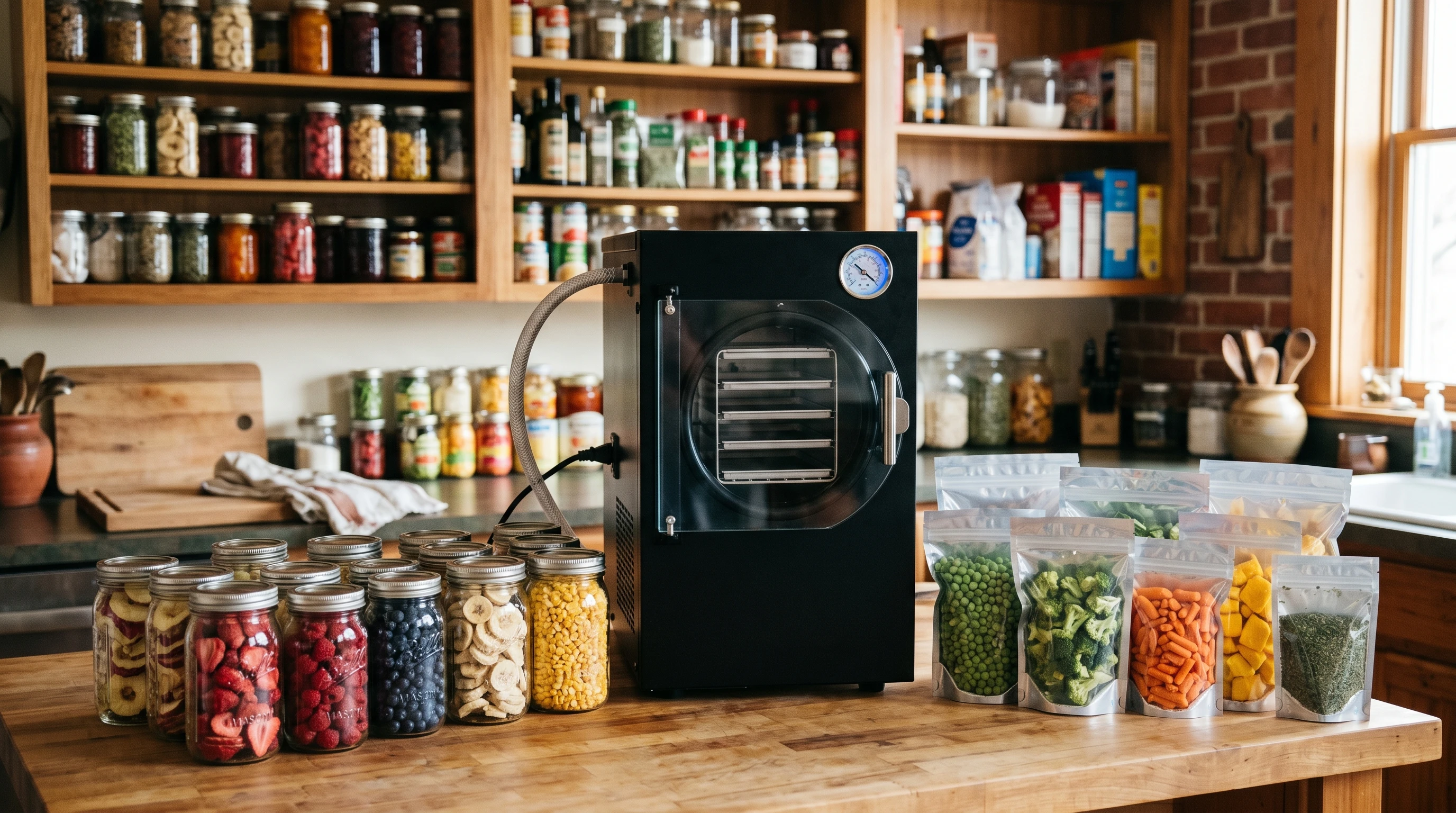
Freeze Drying vs Other Food Preservation Methods
| Factor | Freeze Drying | Dehydrating | Canning |
|---|---|---|---|
| Shelf Life | 20–25 Years | 1–5 Years | 1–5 Years |
| Initial Cost | High | Low | Low |
| Food Quality | Excellent | Good | Good |
| Storage Space | Low | Moderate | High |
| Electricity Needed | Yes | Yes | No |
| Emergency Preparedness | Excellent | Good | Good |
What Makes Freeze Drying Different?
Unlike traditional dehydrating or canning, freeze drying removes moisture from food while preserving much of its original shape, flavor, and nutrition.
The result is food that:
- Can last 20–25 years when stored properly
- Rehydrates quickly
- Retains much of its original taste and texture
- Requires no refrigeration
- Takes up less storage space than canned goods
This is why freeze-drying has become so popular among off-grid families and long-term food storage enthusiasts.
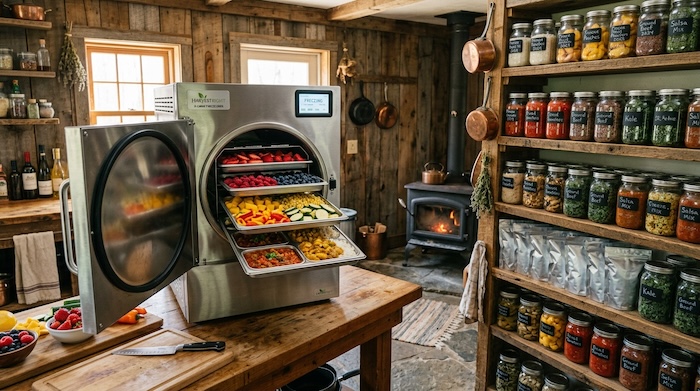
The Biggest Drawback: Cost
Let’s be honest—the biggest obstacle is the initial investment.
A home freeze dryer can cost several thousand dollars depending on the size and model.
You’ll also need:
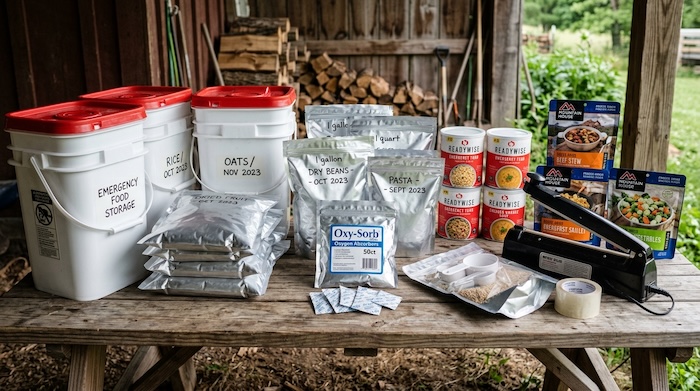
- Mylar bags
- Oxygen absorbers
- Storage containers
- Replacement oil or maintenance supplies (depending on the machine)
Some of the most useful accessories include quality Mylar storage bags, oxygen absorbers, an impulse bag sealer, and vacuum storage containers for short-term food storage.
For someone only preserving a few pounds of food each year, that cost may be difficult to justify.
However, the equation changes dramatically if you’re processing large quantities of food from:
- Your garden
- Hunting trips
- Bulk purchases
- Seasonal sales
- Livestock production
The more food you preserve, the faster the machine pays for itself.
How Much Money Can You Save?
The savings depend heavily on how often you use the machine.
Store-bought freeze-dried foods are expensive.
A single pouch of freeze-dried meals can cost $10–$20 or more.
A #10 can of freeze-dried fruit often costs $30–$60.
When you freeze-dry your own food, you’re primarily paying for:
- The food itself
- Electricity
- Packaging materials
Many freeze dryer owners discover that preserving garden harvests and bulk purchases significantly reduces food waste, which adds up quickly over time.
Instead of watching surplus tomatoes, berries, eggs, or vegetables spoil, you can store them for years.
Choosing the right machine size can also affect your long-term costs. Before purchasing, read Medium vs Large Harvest Right Freeze Dryer to see which size fits your needs best.
Freeze Drying Reduces Food Waste
For me, this is one of the strongest arguments in favor of freeze-drying.
Many homesteaders eventually reach a point where the garden produces more than they can eat fresh.
Sometimes you simply run out of time for:
- Canning
- Freezing
- Dehydrating
Freeze drying allows you to preserve excess harvests before they spoil.
Foods that might otherwise end up in the compost pile can become part of your long-term pantry.
If you grow your own food, you’ll also want to read Best Foods to Freeze Dry
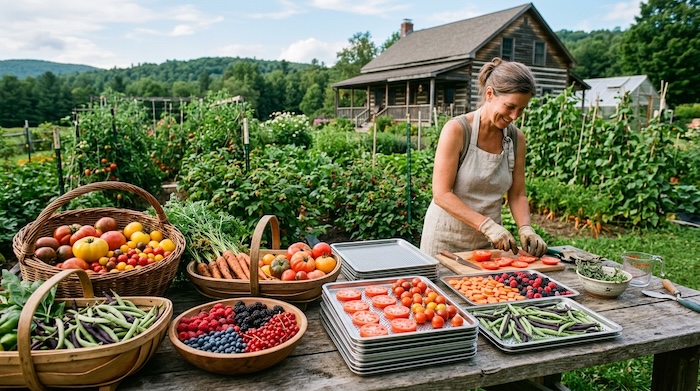
Why I Bought a Freeze Dryer
When you’re gardening, raising animals, or buying food in bulk, there always seems to be a point where you simply can’t eat everything fast enough.
I’ve canned food, frozen food, and dehydrated food over the years, but freeze drying offers something different: the ability to preserve food for decades while maintaining much of its original flavor and texture.
For me, one of the biggest benefits is reducing waste. Instead of watching extra produce spoil, I can store it for future meals and emergencies.
That practical food security is what makes freeze-drying worth considering for many homesteaders.
The Preparedness Advantage
One reason freeze-dryers have become increasingly popular is preparedness.
A well-stocked freeze-dried pantry provides:
- Long shelf life
- Emergency food security
- Lightweight storage
- Easy meal planning
- Reduced dependence on grocery stores
Whether you’re preparing for power outages, winter storms, supply chain disruptions, or simply rising food prices, freeze-dried foods offer peace of mind.
For off-grid living, having shelf-stable food that requires no freezer space can be a huge advantage.
Is Freeze Drying Better Than Canning?
Not necessarily.
Each preservation method has strengths.
Canning
Pros:
- Lower startup cost
- Excellent for sauces and soups
- Proven long-term preservation method
Cons:
- Shorter shelf life
- Heavier storage
- More storage space required
Freeze Drying
Pros:
- Extremely long shelf life
- Lightweight storage
- Better preservation of texture and flavor
- Excellent for complete meals
Cons:
- Higher initial cost
- Longer processing times
- Requires electricity
Many homesteaders eventually use both methods rather than choosing one over the other.
Who Should Buy a Freeze Dryer?
A freeze dryer is usually worth it if you:
- Have a large garden
- Raise livestock
- Hunt or fish regularly
- Buy food in bulk
- Want emergency food storage
- Live off-grid or semi-off-grid
- Preserve food year-round
The more food you process, the greater the value.
Who May Not Need One?
A freeze dryer may not be worth the investment if you:
- Rarely preserve food
- Have limited storage space
- Process only small amounts of produce each year
- Are comfortable with canning and freezing alone
For some families, a quality dehydrator may provide enough food preservation capability at a much lower cost.
My Thoughts
For many off-grid families and homesteaders, freeze drying isn’t just about saving money.
It’s about:
- Reducing food waste
- Preserving garden harvests
- Building food security
- Creating long-term emergency supplies
- Storing food without relying on a freezer
The upfront cost is significant, but if you use the machine regularly, the long-term benefits can easily outweigh the investment.
If you’re still comparing machines, be sure to read:
- Medium vs Large Harvest Right
- Compare a Harvest Right Freeze Dryer to a Vevor Freeze Dryer
- Best Foods to Freeze Dry
For serious gardeners, homesteaders, and preparedness-minded families, freeze drying is often one of the most useful food preservation tools available.

FAQ
How long does freeze-dried food last?
Most properly packaged freeze-dried foods can last 20–25 years when stored in a cool, dark location.
Does freeze-drying save money?
It can, especially if you preserve large amounts of homegrown food, bulk purchases, or surplus harvests that would otherwise be wasted.
How much electricity does a freeze dryer use?
Usage varies by machine size and batch length, but most home freeze-dryers consume a noticeable amount of electricity during a cycle.
Is a freeze dryer worth it for a small garden?
Possibly, but the return on investment is usually better for larger gardens or households that preserve food regularly.
Is freeze-drying better than dehydrating?
Neither method is universally better. Freeze drying generally offers longer shelf life and better food quality, while dehydrating is much less expensive.
Disclosure: This article is for informational purposes only and reflects personal experience and research related to emergency preparedness. Product recommendations, if included, are intended to help readers make informed decisions. Some links may be affiliate links, which help support this site at no additional cost to you.
© 2026, Teresa. All rights reserved.