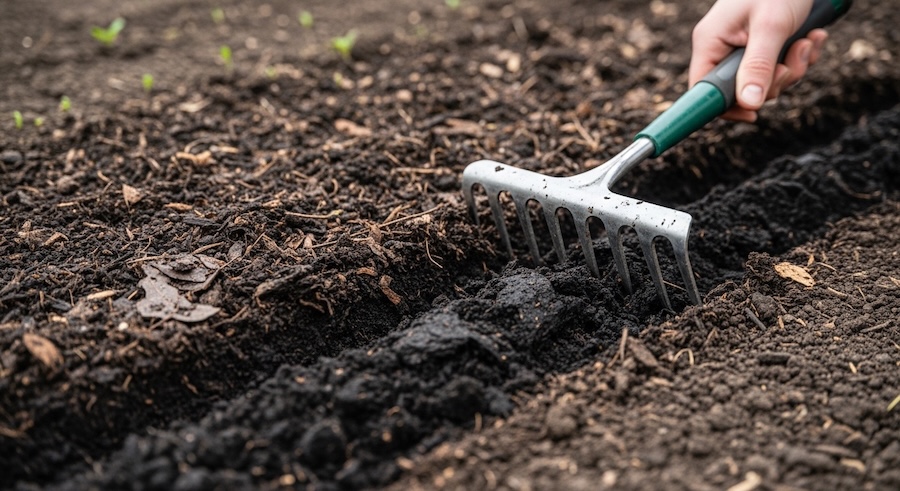
Do you want to know how to compost, what materials to add to your compost pile, and what kind of bin you need?
Learning how to compost is one of the easiest and most affordable ways to improve your garden soil. If you’re growing an organic vegetable garden, compost will quickly become one of the most important tools for success.
Why Composting Is So Important
Growing vegetables in nutrient-rich soil starts with compost. Composting adds valuable organic matter to your garden without the cost of store-bought fertilizers.
There are many good reasons to compost:
- It’s the most natural way to improve garden soil
- The cost is virtually nothing
- It promotes strong, healthy plant growth
- Composting reduces household and garden waste going to landfills
- Compost improves soil moisture retention
- Compost acts as a natural fertilizer, reducing the need for chemicals
- It’s simple and easy to do
Ingredients for Compost
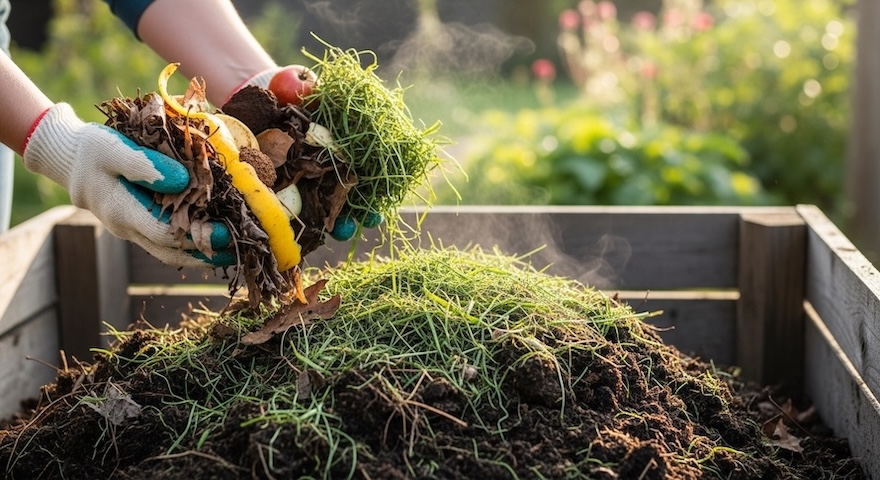
Many common household and garden materials can be added to a compost pile or bin, including:
- Leaves
- Straw
- Sawdust
- Wood chips
- Newspaper
- Grass clippings
- Vegetable peels
- Eggshells
- Tea Bags
- Coffee Grounds
- Fruit
- Garden Residue
- Weeds
- Wood Ashes
How to Build and Maintain Compost
Keep your compost moist, but not wet. A good rule of thumb is the moisture level of a wrung-out sponge. It’s better for compost to be slightly dry than too wet.
Turning the pile regularly adds oxygen, which speeds decomposition.
Although everything will eventually rot on its own, layering materials helps compost break down faster. I like to layer greens and browns, sprinkle a little dirt between layers, water it well, and turn it often.
When composting, avoid adding too much of any one material. Aim for a good balance of:
- Greens: grass clippings, fruit scraps, vegetable waste
- Browns: leaves, paper, cardboard
With time, moisture, and turning, your compost will become what gardeners call black gold.
Do I need a Compost Bin?
Composting can be as simple as piling the material in the corner of your garden, or building a box from some old wood pallets, it doesn’t have to be fancy or expensive.
When I first started composting, money was tight, so I used a simple pile in the corner of the garden — and it worked just fine. Later, we built a three-bin system, which made managing compost even easier.
No matter the setup, compost needs:
- Oxygen
- Moisture
When compost is working as it should, it will heat up. This heat helps break down materials faster and destroys weed seeds and other unwanted elements in the mix. The rule of thumb is to keep your compost about as wet as a wrung-out sponge. It’s better to be a little too dry than too wet.
You can add to your compost bin or pile all year long, even in a northern climate where everything freezes solid for a few months each year. I keep a five-gallon bucket outside the kitchen door and fill it with kitchen scraps. When it’s full, I dump it onto the frozen compost pile. When spring arrives, it melts and begins working again.
Types of Compost Bins
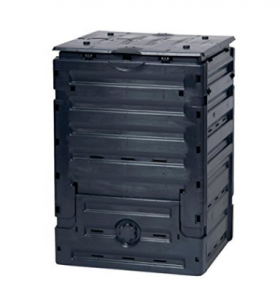
Enclosed Compost Bins
One popular compost bin is made by Tierra Garden. These bins are made from recycled plastic and are available at most garden centres. They hold up to about 80 gallons of material.
Kitchen and garden waste is added through the top of the bin, and finished compost settles at the bottom where it can be scooped out when ready. The lid helps keep critters out.
If you live in an area where animals are a problem, it can be a good idea to add some chicken wire over the compost exit.
I’ve never had much trouble myself, other than the ducks getting into the pile and stirring things up — which is actually okay — but I know critters can be an issue in some areas.
Compost Tumblers
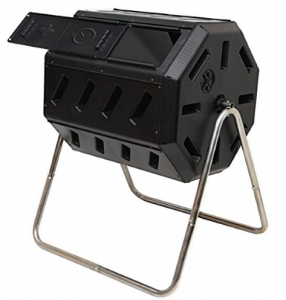
Another popular option is a compost tumbler. These bins are designed to be turned easily, helping mix the compost materials and speed up the breakdown process. Tumblers also usually have lids, which helps keep animals out.
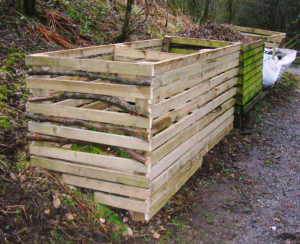
Wooden Compost Bins
Wooden compost bins can be made from almost anything. Some people use old pallets, logs, discarded building materials, or lumber from the building supply store.
A basic wooden compost bin should have boards spaced slightly apart so air can flow through. When building a compost pile, the material at the bottom will break down first. This is why I like using two or three bins.
With multiple bins, when I want the finished compost from the bottom, I simply move the newer material from the top into another bin. Before long, I have bins at different stages of composting. How many bins you need will depend on how much compost you want to generate.
One bin will work just fine as well. Compost bins are usually about three to three and a half feet square.
Countertop Compost Bins
Countertop compost bins are another easy way to compost kitchen waste. These bins are often lined with compostable bags, making them simple to use.
When the bag is full, it can be taken outside and added to the compost pile or bin. This makes collecting kitchen scraps convenient, especially during the winter months.
Healthy soil is the foundation of a productive garden—visit our Vegetable Gardening resource page for more tips on planning, planting, and maintaining an organic vegetable garden.
Disclosure:
Content on this site is for informational purposes only and reflects personal experience and research. Gardening results can vary based on climate, soil, and growing conditions. Some links may be affiliate links, which help support this site at no additional cost to you.
Updated Feb 2026
© 2017 – 2026, Teresa. All rights reserved.