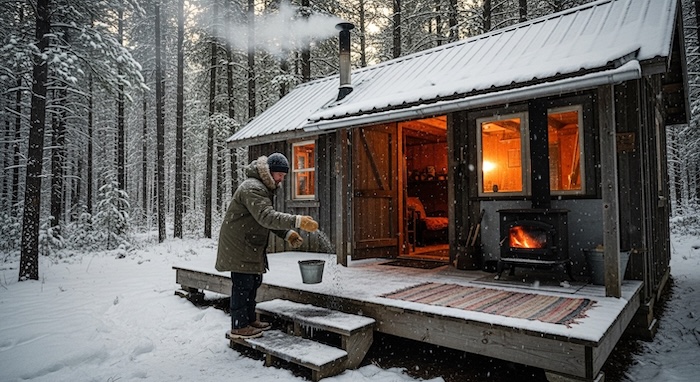
Wood ash is one of those things you end up with a lot of when you live off the grid. If you heat with a wood stove like I do, you’ve probably stood there with a bucket of ash wondering what to do with it all.
The good news? That fine gray powder is far from waste.
There are actually a lot of practical, old-school ways to use wood ash around your cabin, garden, and homestead. Once you start using it properly, it becomes just another useful resource instead of something you throw away.
Here’s how I use wood ash day to day, along with a few important safety tips so you don’t run into problems.
Why Wood Ash Is Worth Saving Off-Grid
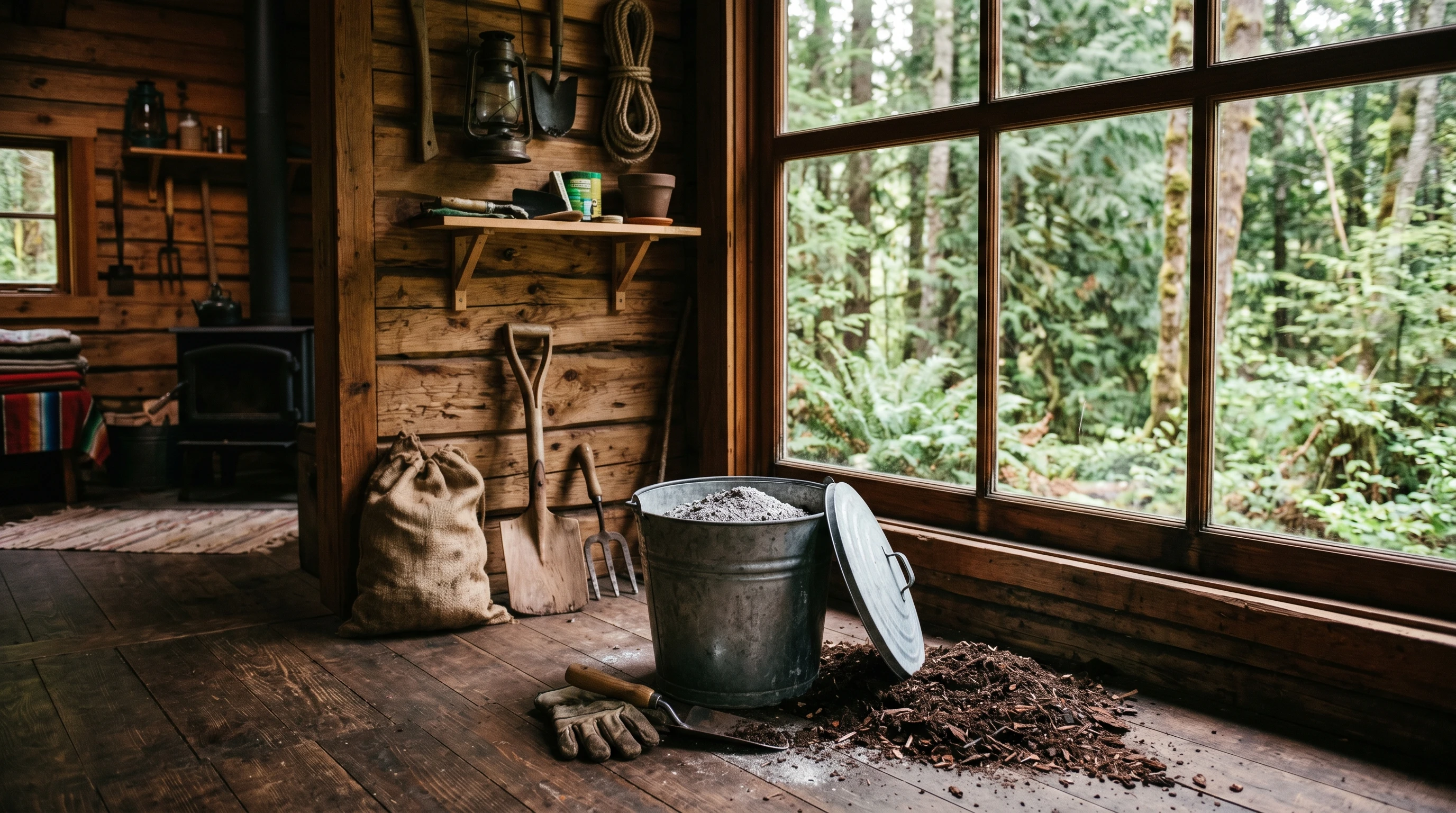
When you’re burning wood all winter, ash builds up fast. Instead of hauling it away or dumping it somewhere random, it makes sense to put it to work.
Wood ash contains valuable minerals like:
- potassium
- calcium
- magnesium
These nutrients can improve soil, support compost, and even help with basic cleaning and pest control.
Hardwood ash tends to be richer in nutrients than softwood ash, so if you’re burning birch, maple, or oak, you’ve got especially useful material.
If you’re relying on wood heat full-time, it’s worth reviewing wood stove safety and maintenance practices to make sure you’re handling ash and fire risks properly.
Can You Use Wood Ash From Any Fire?
Not all ash is safe to use.
Only use ash from:
- clean, untreated firewood
- natural logs
Avoid ash from:
- painted or pressure-treated wood
- garbage or cardboard
- charcoal briquettes
These can contain toxins you don’t want anywhere near your soil, food, or living space.
Prepping and Storing Wood Ash Safely
Before doing anything with wood ash, make sure it’s completely cool. Ash can stay hot for longer than you’d expect, so I usually leave it for at least 24 hours.
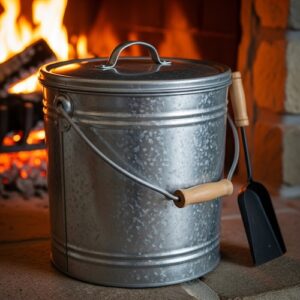
I always store mine in a metal ash bucket with a tight-fitting lid. This helps prevent accidental fires and keeps ash from blowing around in the wind.
I use something like this: Metal Ash Bucket with Lid
These are simple, durable, and much safer than plastic containers.
If you clean your stove often, a dedicated ash vacuum makes a huge difference. It keeps fine dust from floating around your cabin and saves time.
I also recommend wearing heavy-duty gloves when handling ash—it’s very fine and can irritate your skin.
12 Smart Ways to Use Wood Ash Around Your Cabin
1. Improve Garden Soil
One of the best uses for wood ash is in the garden.
It acts as a natural liming agent, raising soil pH and adding minerals.
Before adding ash, it’s smart to check your soil.
I use a simple tool like this: Soil pH Tester
This helps avoid making your soil too alkaline.
I apply a light layer and rake it in—never dump large amounts all at once.
For more ways to improve your soil naturally, check out: learn-how-to-make-compost-for-your-garden
Avoid using ash near acid-loving plants like blueberries or potatoes.
2. Add to Compost
Wood ash works well in compost when used in moderation.
Sprinkle thin layers between green materials and mix regularly.
If you’re building a good compost system, this guide will help: Learn-how-to-make-compost-for-your-garden
If you want better results, tracking temperature makes a big difference.
I recommend using a Compost Thermometer
3. Natural Pest Control
Dry wood ash helps deter pests like slugs and soft-bodied insects.
Sprinkle a ring around plants or garden beds. Reapply after rain.
You can also combine this with better garden planning: vegetable-garden-layout-plans
4. Improve Chicken Dust Baths
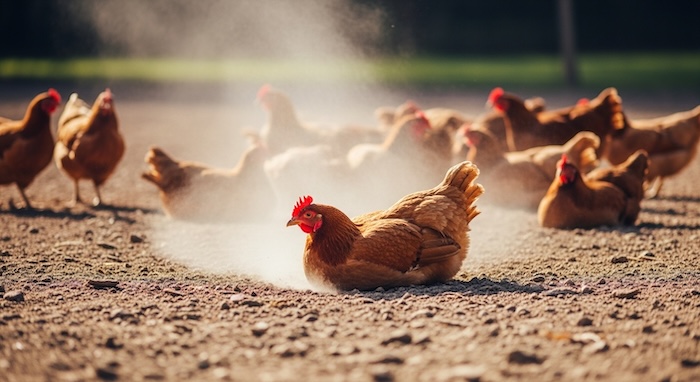
If you keep chickens, adding a bit of ash to their dust bath helps control mites and parasites.
It’s an easy, natural solution and something I use regularly.
5. Clean Wood Stove Glass and Metal
Wood ash makes a great natural cleaner.
Mix with a little water to create a paste and use it to:
- clean stove glass
- polish tools
- scrub cookware
Always test a small area first.
6. Deodorize Outhouses and Compost Toilets
Wood ash helps absorb moisture and reduce odors.
I use it in the outhouse and around compost areas—it works surprisingly well.
7. Melt Ice and Add Traction
Ash is great for icy steps and walkways.
It:
- improves grip
- helps melt ice slowly
- won’t damage soil like salt
I keep a bucket by the door all winter.
8. Clean Up Oil Spills
Wood ash absorbs oil and grease.
Sprinkle it over small spills in your workshop, let it sit, then sweep it up.
9. Mark Garden Rows
A light dusting of ash can help you mark rows before planting.
It’s simple and washes away naturally.
10. Control Odors in Garbage
Sprinkle ash in garbage bins to help reduce smells, especially in warmer months.
11. Emergency Fire Suppression
Wood ash can help smother small flames by cutting off oxygen.
Still, nothing replaces proper safety planning.
If you haven’t already, it’s worth reviewing: Wood Stove Safety post
12. Make Homemade Lye (Advanced Use)
Wood ash can be used to create lye for traditional soap making.
👉 If you’re interested in that, you’ll want to read this first: how-to-use-a-soap-lye-calculator-safely
What NOT to Do With Wood Ash
- ❌ Don’t apply too much at once
- ❌ Don’t use on alkaline soil
- ❌ Don’t apply near seedlings
- ❌ Don’t mix with nitrogen fertilizers
- ❌ Never use ash from treated or burned materials
How to Dispose of Wood Ash Safely
If you have more ash than you can use:
- store it in a sealed metal container
- bury small amounts away from water sources
- follow local disposal guidelines
Never dump ash near streams, wells, or septic systems.
Final Thoughts
When you’re living off-grid, learning how to reuse everyday materials just makes sense.
Wood ash is one of those simple, old-school resources that can do a lot more than people think. Whether you’re improving your soil, keeping pests away, or making icy paths safer, it’s worth putting to use instead of throwing it away.
⚠️ Affiliate Disclosure
This post may contain affiliate links. If you purchase through these links, I may earn a small commission at no extra cost to you.
© 2026, Teresa. All rights reserved.