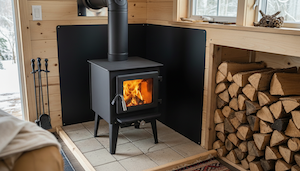
There’s something deeply comforting about a wood stove burning on a cold winter night. The steady heat, the soft crackle of firewood, the glow through the glass — it’s one of the best parts of cabin life. But as beautiful as wood heat is, it also demands respect. Wood stove safety isn’t complicated, but it is essential. Whether you’re heating a full-time off-grid home or a weekend cabin, understanding how to prevent chimney fires, creosote buildup, and carbon monoxide risks will keep your home warm and safe all season long. In this guide, we’ll walk through exactly what you need to know before you burn.
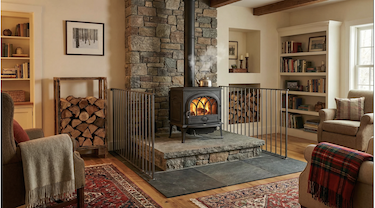
Table of Contents
- Why Wood Stove Safety Matters
- Proper Wood Stove Installation
- Wood Stoves, Insurance, and Home Resale
- Burn Only Properly Seasoned Firewood
- Creosote Buildup and Chimney Fire Prevention
- Carbon Monoxide and Smoke Detector Safety
- Safe Daily Wood Stove Operation
- Creating a Safety Zone Around Your Stove
- Know Your Wood Stove Type
- Off-Grid Wood Stove Safety Considerations
- Emergency Equipment Every Wood Stove Home Needs
- Wood Stove Safety Checklist
- Frequently Asked Questions About Wood Stove Safety
- Final Thoughts on Safe Wood Heating
Why Wood Stove Safety Matters
Heating with a wood stove feels pretty straightforward. Add wood. Light a fire. Stay warm.
But every time you light that fire, there’s more happening than most people realize. Combustion gases are moving through your flue. Heat is expanding metal components. Smoke byproducts are forming inside your chimney. Airflow pressure is constantly shifting.
It only takes a few small mistakes — or skipped maintenance — to cause a serious issue.
Home fires, dangerous carbon monoxide buildup, and chimney fires often trace back to unsafe wood stove use. According to the National Fire Protection Association, heating equipment remains one of the leading causes of house fires, and wood stoves account for a significant share.
The good news? Most of these problems are preventable.
Once you understand the risks, it becomes much easier to build simple routines that keep everyone safe all winter long.
Safe wood heating is one of the foundations of practical homesteading.
Proper Installation is Everything
The best time to get wood stove safety right is before you ever strike a match.
Professional installation makes a huge difference — not just for code compliance, but because pros understand the details that prevent long-term hazards.
Even if your stove has been in place for years, reviewing the basics is worth it.
Double-check the following:
- Clearances: Leave enough distance from walls, furniture, and anything flammable. Check your manual for exact clearance specs.
- Chimney & Venting: Make sure your flue is appropriately sized and rated. All connections should be tight and free of leaks.
- Hearth Pad: Use a noncombustible surface underneath the stove; wood floors and carpets don’t cut it.
- Insurance: Let your insurer know about your stove. Many policies require professional installation paperwork.
Even inherited or older wood stoves benefit from a checkup by a certified professional. A one-time inspection can spot concerns and set things right before they turn into bigger problems.
Wood Stoves, Insurance, and Home Resale
If you’re heating with wood — especially here in Canada — insurance and certification matter more than many people realize.
Most insurance companies require proof that your wood stove was professionally installed and inspected. In Canada, that often means a Wood Energy Technology Transfer Inc. (WETT) inspection. A WETT-certified technician checks clearances, venting, chimney condition, and overall safety compliance.
Without proper documentation, insurers may:
- Refuse coverage
- Increase premiums
- Deny claims related to fire damage
It’s also something buyers look for when purchasing a home. A documented installation with inspection paperwork can protect resale value and prevent last-minute complications during a sale.
Even if your stove has been in place for years, scheduling a safety inspection and keeping documentation on file is a smart long-term move — especially for off-grid properties where wood heat is the primary source of warmth.
What About the United States?
In the United States, wood stove inspections and certifications are handled a little differently.
Most insurers look for installation that follows NFPA 211 standards, which are published by the National Fire Protection Association. These standards outline proper clearances, venting requirements, chimney construction, and safety practices for solid-fuel appliances.
Homeowners may also need:
- A building permit for installation
- Inspection approval from a local building department
- Verification that the stove is EPA-certified
Many newer stoves are certified by the U.S. Environmental Protection Agency (EPA) for emissions standards, which improves efficiency and reduces creosote buildup. Insurance companies often prefer or require EPA-rated units.
If you’re buying or selling a home in the U.S., documentation showing proper installation and inspection can prevent delays during closing and protect property value.
Burn Only Properly Seasoned Firewood
The type of wood you burn matters more than most people think. Freshly cut, “green” firewood contains a lot of moisture, sometimes up to 50%. Burning wet wood doesn’t just steal heat; it also sends unburned gases and creosote up your chimney where it sticks around and can cause fires.
Dry, seasoned hardwood is what you want. Here’s what I always look for when picking firewood:
- Look: Dry wood has cracks in the ends, is lighter than green logs, and sounds hollow when banged together.
- Moisture Meter: Super handy for checking your supply. Wood should have less than 20% moisture content.
- Storage: Stack your wood off the ground, with space for airflow and a cover on top, not the sides.
Skip burning painted, treated, or manufactured woods (like particleboard). They release chemicals you don’t want in your lungs or on your chimney walls.
Understand Creosote and Chimney Fires
Every time you burn wood, you make creosote. This sticky, highly flammable buildup lines your stovepipe and chimney. Slow burns, smoldering fires, and green wood make creosote build up faster. Ignoring it can lead to a roaring chimney fire that may damage or destroy your home.
Managing creosote risk comes down to routine basics:
- Chimney Cleaning: Every heating season, have your chimney and stovepipe professionally inspected and cleaned. If you burn a lot of wood, midseason cleanings help too.
- Watch for Warning Signs: Strange smells, dark smoke, or a build-up of black, shiny residue in the pipe mean creosote is collecting.
- Burn Hot: Keep your fires burning brightly, not smoldering, so smoke is minimal and residue doesn’t stick as badly.
A magnetic stove pipe thermometer helps you avoid smoldering burns and keeps temperatures in the safe operating range.
Chimney sweeping might seem like an old fashioned expense, but one avoidance call could pay for itself by preventing a single fire.
If you handle mid-season maintenance yourself, a flexible chimney cleaning kit designed for wood stove flues can save time and service calls.
Because we burn daily through winter and rely entirely on wood heat off-grid, we’ve found monthly checks keep buildup minimal and give us peace of mind.
Install Carbon Monoxide and Smoke Detectors
Even a well maintained wood stove can push dangerous gases into your living space if there’s a problem. Carbon monoxide (CO) and smoke detectors are super important for any home using a wood stove. They save lives—plain and simple.
- CO Detectors: Place at least one near sleeping areas and another near your wood stove, but not right above it. These pick up on carbon monoxide, a colorless and odorless gas, far before you’d notice otherwise.
- Smoke Detectors: Make sure every level of your home has a working smoke alarm, especially outside bedrooms and near your stove.
- Test Them Monthly: Batteries don’t last forever. Check alarms regularly and replace batteries every six months.
These bits of tech are affordable and simple to set up, well worth every penny for the peace of mind.
I recommend installing a reliable battery-backup carbon monoxide detector near sleeping areas.
Never Leave Stove Unattended (Improperly)
Wood stoves are safest when:
- Doors are fully latched
- Air controls are set properly
- No flammable materials are nearby
- Children and pets are supervised
Avoid:
- Overloading the firebox
- Burning garbage or treated lumber
- Using accelerants like gasoline (never!)
Keep A Safety Zone Around the Stove
Wood stoves radiate a lot of heat and can maintain high exterior temperatures, especially the glass. Keeping a safety zone helps prevent burns and keeps flammable items far enough away to avoid accidental ignition.
- Three Feet Rule: Keep everything—curtains, furniture, boxes, clothes, trash cans—at least three feet away from the stove at all times.
- Barriers for Kids & Pets: Safety gates or heat absorbing screens can make a huge difference if you have little ones or animals.
- Clear Ashes Away: Let ashes cool before removing them, and always keep ash containers on a noncombustible surface.
This habit works wonders and makes everyone feel much more relaxed around the fire. Over time, you’ll find it becomes second nature to keep things clear. It also makes cleaning up much easier and gives you peace of mind, especially during gatherings or when visitors are present who may not be familiar with stove safety.
Know Your Stove Type
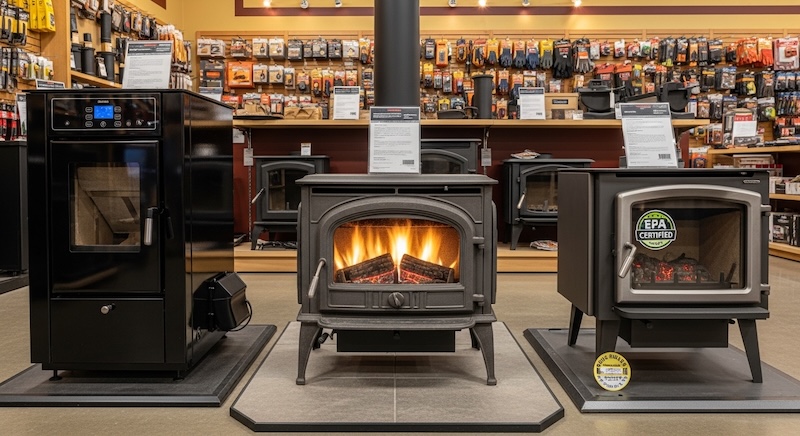
Wood stoves aren’t all built the same. Older units, modern EPArated models, and pellet stoves can have different burn rates, venting needs, and safety rules. Understanding what kind of appliance you have is pretty important when it comes to maintenance or dealing with a problem.
- Older Stoves: May need more frequent chimney cleaning because they burn less efficiently and create more creosote. Their designs are often simpler, but that means you need to watch for leaks and cracks in the stove body or flue pipe.
- EPA Rated Stoves: Burn hotter and more cleanly, using advanced combustion. Many of these stoves have secondary burn systems that allow more heat with less smoke, but you still need regular care. Learn if yours has a catalyst or air wash features for safer, cleaner burning.
- Pellet Stoves: Have electronics and need occasional maintenance for feed systems and fans too. Check the ash pan, fuel hopper, and make sure moving parts stay clean.
Read the manual if you have it. Some manufacturers have great online guides for troubleshooting, maintenance, and seasonal prep. If you don’t know what kind you’ve got, a certified professional can help sort it out. Knowing your stove means you can order the right replacement parts or spot warning signs of trouble faster, making the whole heating experience a lot smoother.
Don’t Close the Damper Too Soon
Many chimney fires happen because people try to “choke down” a fire too quickly.
Let the fire establish properly before reducing airflow.
Smoldering fires create creosote.
Keep Emergency Equipment Nearby
No one expects something to go wrong, but being prepared is important. Having the right gear at hand can help manage small issues before they become disasters. It doesn’t take much time or money to set up a safety kit, and you’ll be grateful for the peace of mind.
- Fire Extinguisher: I like the small, easy to use ABC type designed for home use. Mount it near the stove, but not directly above, so you can grab it quickly in an emergency.
- Bucket of Sand or Ash: Works to quickly smother smaller fires; sometimes all you need is a scoop to stop a stray ember. This also lets you deal with accidental flare-ups safely without risking water damage or unnecessary mess.
- Metal Ash Can: Use one with a lid for storing and removing cooled ashes. This keeps hot coals from reigniting elsewhere or being knocked over by pets.
- Water Source: Never use water on grease or electrical fires, or directly inside your stove, but it’s helpful for cleaning up and putting out outdoor firewood piles if needed.
Keep things organized and easy to reach, especially in an emergency when you might be flustered or have visitors unfamiliar with your setup. Practice a quick drill with your family so everyone knows where to find safety gear and how to use it just in case.
Off-Grid Safety is Self-Reliance
Living or camping off-grid means you’re responsible for every aspect of your stove’s operation. You might not have fast access to emergency services, so your focus on prevention and preparedness becomes even more important.
- Routine Checks: Inspect your stove, pipe, and chimney often, especially after storms or heavy winds can damage components or create leaks.
- Keep spare gaskets and stove parts
- Maintain backup power if your stove uses blowers
- Keep a maintenance logbook
Off-grid, you can’t count on a speedy rescue, so knowing your stove and having backup supplies takes on another layer of importance. Make a checklist so nothing gets overlooked, and consider keeping a simple logbook to track maintenance and usage for your own peace of mind.
If you’re considering alternative wood heat systems, you may also want to read my guide to building a rocket mass heater for off-grid cabins.
Quick Wood Stove Safety Checklist
- ☐ Chimney cleaned annually
- ☐ Carbon monoxide detector tested
- ☐ Firewood moisture under 20%
- ☐ Proper clearances maintained
- ☐ Fire extinguisher accessible
Frequently Asked Questions About Wood Stove Safety
Some questions come up all the time when folks start using wood stoves, so here are answers to a few that pop up in my inbox most frequently.
Question: How often should I clean my chimney?
Answer: At least once a year, or more if you burn a lot of wood. A certified chimney sweep can spot other issues too and help keep your system running safe.
Question: What do I do if I smell smoke in my house?
Answer: Open windows, check the damper, and inspect the stovepipe connection for gaps or leaks. If you’re unsure, shut down the stove and call a pro immediately to prevent dangerous buildup.
Question: Is it okay to burn trash or scrap wood?
Answer: Never burn trash, colored paper, or treated/painted wood. They release harmful chemicals and can clog your chimney faster. Stick with dry, seasoned hardwood for best results.
Question: What’s the best firewood type?
Answer: Dry hardwoods like oak, ash, maple, and beech work the best. They burn hotter and leave less residue than softwoods. Softwoods may catch quickly, but tend to create more buildup and burn out faster, requiring more frequent reloads and cleaning.
Question: How should I store my firewood for the season?
Answer: Keep your firewood off the ground on pallets or racks, allowing air to circulate and sun to reach the stack. Cover the top to keep rain off, but leave the sides exposed for airflow. Splitting logs smaller helps them dry faster, so plan ahead and start seasoning your wood in spring or early summer for best results each winter.
Question: Are wood stoves safe for homes with children or elderly residents?
Answer: Yes, but extra care is required. Always use a sturdy barrier around the stove, teach kids about the risks of hot surfaces, and make sure pathways are clear of tripping hazards. Carpets, rugs, and long curtains should be kept well away from the stove’s heat zone.
Extra Tips for Long-Term Safety
To make the most of your wood stove and protect your home, keep these additional tips in mind:
- Log your yearly maintenance and keep records of cleanings and inspections. This helps with insurance and resale value, too.
- Check for any recalls or manufacturer safety notices on your stove or components every year, just to be safe.
- Ask local fire departments if they offer free home safety checks—you might get helpful feedback.
- Never use flammable liquids to start a fire. Stick with kindling and approved starters for safe, consistent lighting.
Final Thoughts
Staying safe with a wood stove isn’t complicated — but it does require attention.
Regular maintenance, proper firewood, working detectors, clear safety zones, and emergency preparation make all the difference.
Wood heat is reliable, affordable, and deeply comforting — especially off-grid.
When you respect the fire and stay consistent with safety routines, your stove will serve you safely for decades.
Disclosure: This site may contain affiliate links. Content is for informational purposes only and reflects personal experience. Always do your own research before making decisions.
© 2026, Teresa. All rights reserved.
What an incredibly thorough and practical wood stove safety guide, Teresa! I’ve been heating my off-grid cabin with a wood stove for two winters now, and this is hands down one of the most complete breakdowns I’ve come across. So many people focus on choosing the right stove but completely overlook the ongoing safety habits that make wood heat truly reliable and safe long-term.
Thanks Leah, we have had wood stoves most of our lives and my Dad was a bricklayer who built many fireplaces. Wood stove safety was always talked about.