
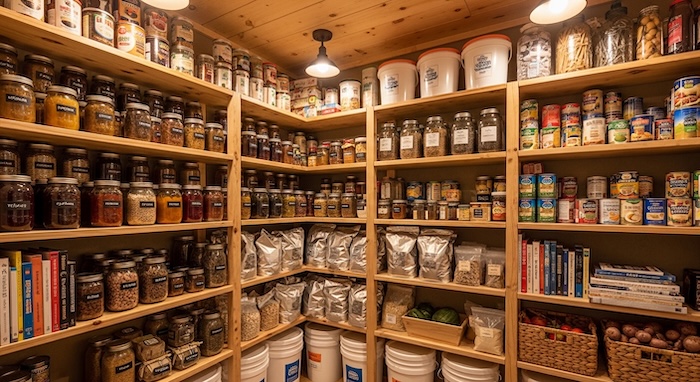
If you are preparing for emergencies, trying to save money, or want to enjoy the peace of mind that comes with a stocked pantry, long-term food storage is one of the most useful skills you can learn.
Over the years, I’ve found that keeping food fresh for years isn’t complicated—it just comes down to good planning and avoiding a few common mistakes.
Once you understand the basics, you really can keep food fresh for years (even decades) without refrigeration.
What Determines How Long Food Lasts?
Food shelf life isn’t just about the expiration date on the package. It comes down to a few key factors:
- Oxygen – causes spoilage and nutrient loss
- Light – breaks down food quality and vitamins
- Moisture – leads to mold and bacteria
- Temperature – heat speeds up spoilage and rancidity
- Packaging – poor sealing shortens shelf life quickly
The goal is simple: keep food dry, cool, dark, and airtight
If you’re building your full off-grid setup, you may also want to read:
Off-Grid Water Filtration Systems
Rainwater Collection for Everyday Use
Best Foods for Long-Term Storage
🍚 Grains (Rice, Wheat, Oats, Corn)
Grains are the foundation of long-term food storage.
- White rice can last 20–30 years when stored properly
- Wheat and corn also store extremely well
- Oats have a shorter shelf life due to natural oils
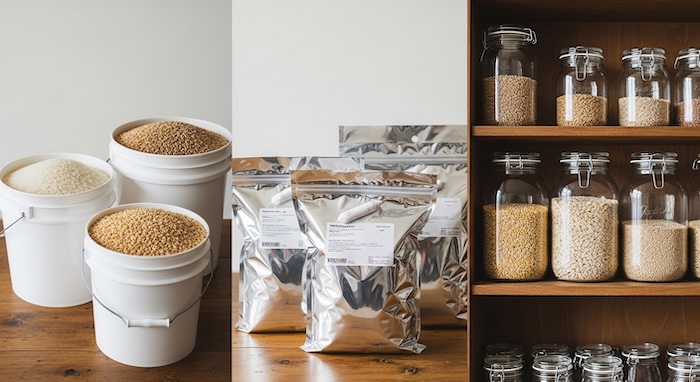
For best results, seal grains in mylar bags with oxygen absorbers.
If you want a simple, no-guess setup, a starter kit like the Harvest Right Mylar Starter Kit with oxygen absorbers makes it easy to package food correctly the first time.
These thick 7 mil mylar bags are ideal for sealing rice, beans, and grains for long-term storage.
Oxygen absorbers are what actually remove the air and allow food to last years instead of months.
🫘 Dried Beans & Lentils
Beans are one of the best protein sources you can store.
- Can last up to 10 years or more
- Older beans take longer to cook, but are still usable
Store them the same way as grains for maximum shelf life.
🍝 Pasta
Dry pasta is simple, affordable, and stores well.
- Keeps for several years when dry and sealed
- Great for quick meals using stored ingredients
🥛 Powdered Milk
A great way to store dairy without refrigeration.
- Non-fat powdered milk lasts longer than whole milk powder
- Useful for baking, cooking, and drinking
🍯 Honey, Salt & Sugar
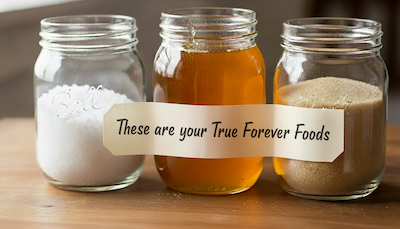
- Honey never spoils (it may crystallize)
- Salt and sugar last indefinitely if kept dry
🧊 Freeze-Dried Foods (20+ Years)

Freeze-dried foods are one of the best long-term storage options available.
- Often last 20–25+ years
- Lightweight and nutrient-dense
- Ideal for emergency food supplies
🥫 Canned Foods
- Typically last 2–5 years
- Often still safe beyond that if stored properly
⚠️ Always check for bulging lids, rust, or leaks.
- Canned Foods: Not as long-lasting as dry foods, but many canned vegetables, meats, and fruits are still ok after the best-before date.
Stay away from foods with oils (they go rancid quickly) and anything that spoils quickly or needs to stay cold all the time. Keeping it simple will pay off for long-term storage.
📦 How to Store Food for Maximum Shelf Life
This is where most people go wrong—storage method matters more than the food itself.
🥇 Best Storage Method (What Actually Works)
👉 Use:
Simple process:
- Fill mylar bag with dry food
- Add oxygen absorber
- Heat-seal the bag
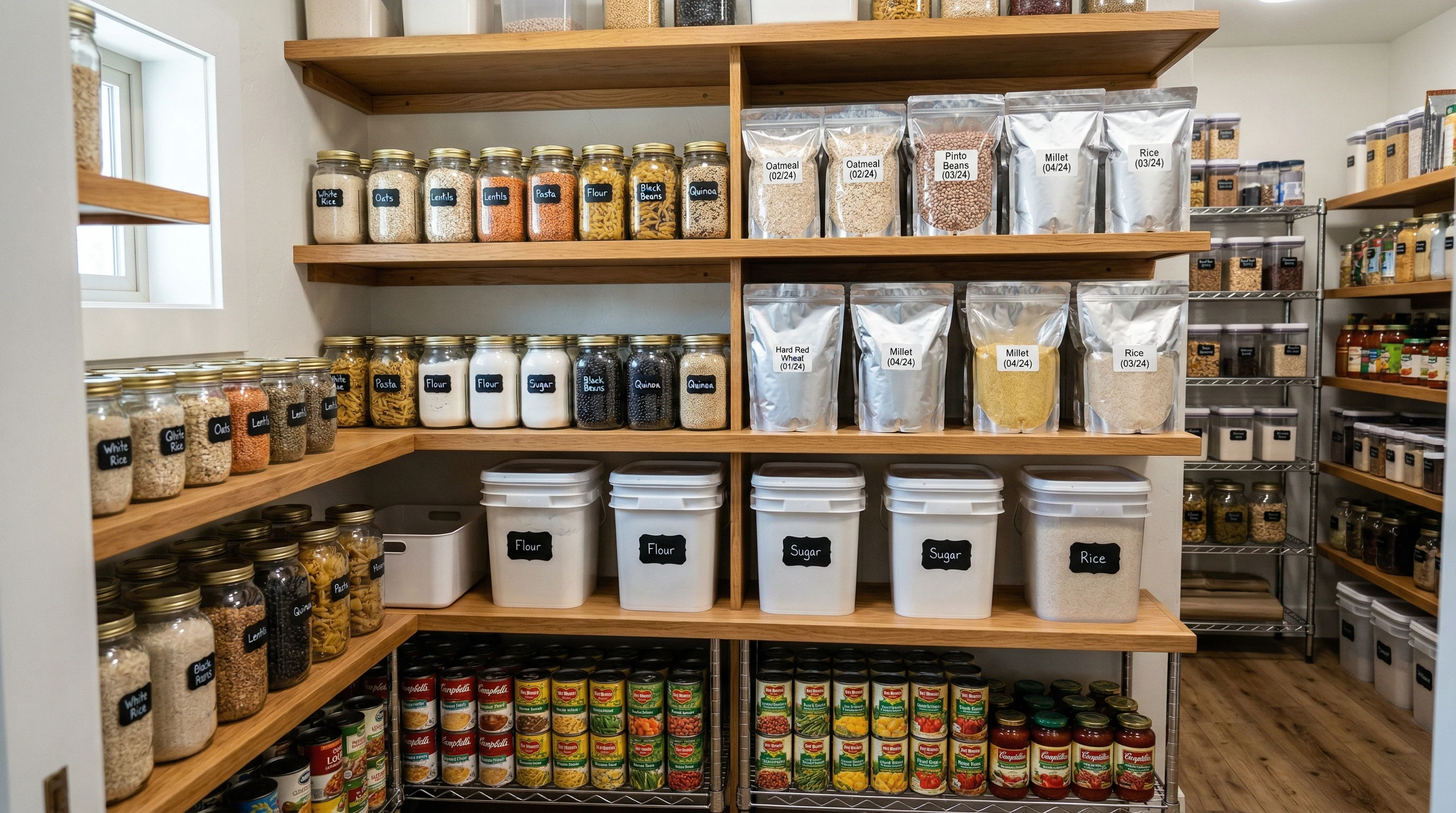
- Store inside a bucket
👉 This protects against oxygen, moisture, pests, and light.
👉 Store sealed bags inside food-grade buckets with airtight lids (gamma lids make access much easier) for added protection.
🧊 Using a Freeze Dryer for Long-Term Food Storage
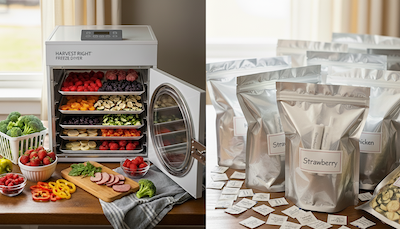
If you want to take food storage to the next level, freeze drying is one of the best options available.
Freeze drying removes nearly all moisture from food while preserving nutrients and structure. That’s why freeze-dried food can last 20–25+ years when stored properly.
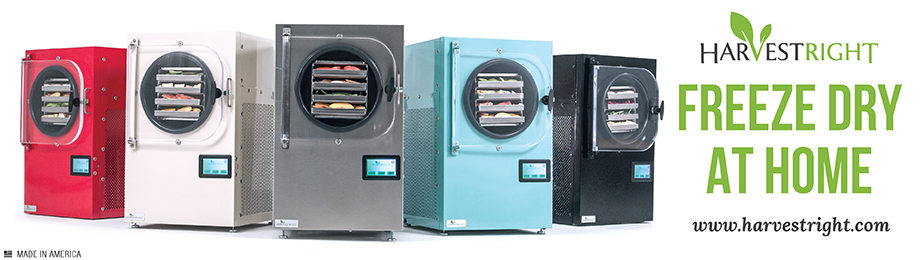
A home unit like the Harvest Right Freeze Dryer allows you to preserve:
- Garden harvests
- Fruits and vegetables
- Full meals
- Meat and dairy
Once freeze-dried, store food in mylar bags with oxygen absorbers for maximum shelf life.
💡 You may also want to read:
Food Preservation Methods for Off-Grid Living
How to Store Garden Harvest Without Electricity
🔧 Essential Long-Term Storage Supplies
Having the right tools makes everything easier:
- Mylar bags
- Oxygen absorbers
- Food-grade buckets
- Vacuum sealer
- Mason jars
- Mason Jar Sealer (I use this for my short-term freeze-dried items (every day use)
- Permanent marker for labeling
A complete mylar + oxygen absorber kit is one of the easiest ways to get started without guessing sizes or quantities.
⚠️ Common Food Storage Mistakes
Avoid these and your food will last significantly longer:
- ❌ Storing food in original packaging
- ❌ Not labeling containers
- ❌ Temperature swings (garage storage can shorten shelf life fast)
- ❌ Not checking for insects
👉 Tip: Freeze grains or flour for 2–3 days before storage to kill insect eggs.
🔁 Rotation Strategy (Simple & Practical)
👉 Store what you eat, eat what you store
- Use First In, First Out (FIFO)
- Keep a simple inventory list
- Check supplies every 6–12 months
- Plan meals using stored food
❓ Long-Term Food Storage FAQs
How long does food last in mylar bags?
When sealed with oxygen absorbers and stored properly, many foods such as rice and beans can last 10–30 years or more.
Do I need oxygen absorbers?
Yes. They remove oxygen, preventing spoilage, insects, and nutrient loss.
Can I use buckets without mylar bags?
You can, but it won’t last nearly as long. Mylar bags block oxygen and light—buckets alone do not.
What foods should not be stored long-term?
Avoid high-fat foods like brown rice, nuts, and anything with moisture.
What temperature is best?
Between 50–70°F (10–21°C) is ideal.
Is freeze-drying better than dehydrating?
Yes for long-term storage. Freeze-drying removes more moisture and preserves food much longer.
How do I prevent bugs?
- Freeze food before storing
- Use oxygen absorbers
- Seal everything tightly
How often should I rotate food?
Every 6–12 months using FIFO. (first in first out)
🌿 Final Thoughts
Long-term food storage isn’t just about emergencies—it’s about self-reliance, saving money, and reducing waste.
With the right setup, you can build a pantry that lasts for years and gives you real peace of mind.
And honestly, once you get started, it’s a lot simpler than it looks.
⚠️ This post is for informational purposes only. Food storage results can vary based on conditions and methods. Always inspect stored food before use and discard anything that appears unsafe. This post may contain affiliate links, which means I may earn a small commission at no extra cost to you.
© 2026, Teresa. All rights reserved.
This is a well-structured and highly practical guide that simplifies long-term food storage into clear, actionable steps. I particularly appreciate how you emphasized the core principles controlling oxygen, moisture, light, and temperature—which are often overlooked but critical for shelf life. Your breakdown of food categories and storage methods makes it accessible for both beginners and those refining their systems. The inclusion of common mistakes and rotation strategies adds real-world value, reinforcing sustainability and efficiency in pantry management.