
Starting an organic vegetable garden can feel overwhelming at first, but if you’re ready to dig into the soil and grow your own food, you really can do it. Organic gardening does take work, but it’s also incredibly rewarding and well worth every hour spent.
Organic gardening isn’t about perfection — it’s about learning, improving your soil over time, and growing food in a way that works with nature instead of against it.
My First Experience With Organic Gardening
I was incredibly lucky when I planted my very first organic vegetable garden. I picked a spot in the corner of the yard, started digging, and hit what felt like a gold mine — rich, black soil. Everything grew beautifully.
Later I learned that the area I chose had once been used to store compost and soil mixes for gardens that used to grow there. Lucky me.
My next gardening experience, however, wasn’t nearly as successful.
That garden was much smaller, and the soil was rock-hard clay. Not knowing much about soil back then, I tried planting anyway. The garden struggled, nothing grew well, and I eventually gave up.
Until we started missing fresh vegetables.
That’s when I began learning more about organic gardening, composting, and soil improvement. With time, effort, and better soil, the garden began growing again.
Now I’m about to rekindle a garden on an old homestead — another challenge, or maybe another success. I guess we’ll find out.
Choosing the Right Location for Your Organic Garden
If you’re ready to start gardening, the first step is finding the right location.
A good garden spot should:
- Get sun for most of the day
- Have soil that retains moisture but still drains well
- Be level or gently sloping
The old homestead garden I’m working with now gets a perfect amount of sun and has a gentle slope. I’ll see how it performs this year, collect more compost materials, and hopefully extend it next season.
Every garden evolves over time.
Preparing the Garden Bed
If your chosen area is covered in grass, the best approach is to dig it up and remove the grass, rocks, and roots.
Once you’ve cleared the area, take a good look at the soil. It often takes a couple of years to build truly good garden soil, especially if you’re starting from scratch.
Depending on the size of your garden, you can:
-
Turn the soil by hand with a shovel
-
Use a rototiller to break it up
The goal is soil that holds moisture, drains well, and crumbles easily instead of clumping.
Building Healthy Organic Soil With Compost
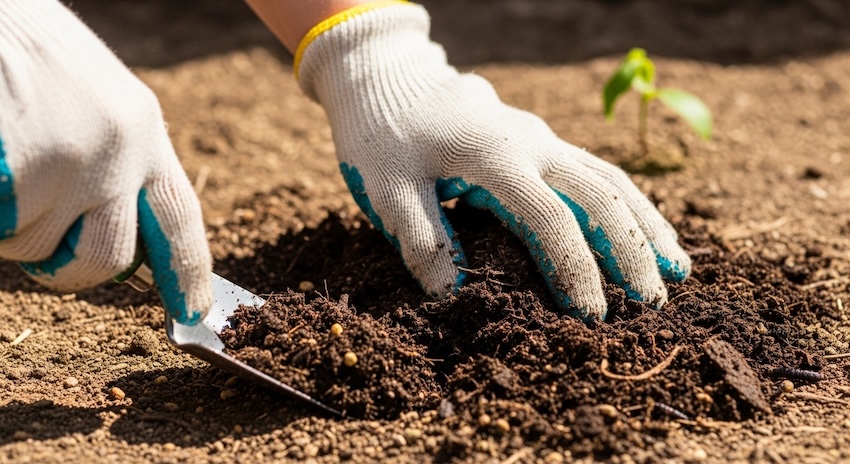
Compost is one of the most important parts of organic gardening.
After the garden area has been tilled, mix compost into the top six inches of soil. This helps improve soil structure and adds nutrients naturally.
If you don’t have your own compost yet, you can usually buy compost from a local garden center. Over time, the best thing you can do for your garden is continue adding compost every year.
Healthy soil isn’t built in one season — it’s built gradually.
Compost is one of the most important tools in organic gardening, and learning how to make compost at home is one of the best ways to improve your soil year after year.
Understanding and Testing Your Soil
Some gardeners choose to test their soil’s pH, though I’ve rarely done this myself.
What I learned from my grandparents was simple:
- Lots of dandelions usually mean alkaline soil that benefits from added compost
- Moss often indicates acidic soil, which may need lime
Soil test kits are available if you want more precise information, and they can be helpful if you’re unsure what your soil needs.
Planting an Organic Vegetable Garden
Once your soil is ready, it’s time to plant.
If you’re gardening in a cooler climate, many vegetables benefit from being started early, and our guide on starting vegetable seeds indoors explains when and how to do this successfully.
I like to plant my garden rows running north to south, or as close to that as possible. This helps plants get the best sunlight throughout the day without being shaded by taller crops.
If that isn’t possible in your space, do the best you can — just be mindful of how taller plants may shade smaller ones and plan accordingly.
Organic Gardening Basics That Matter
To get the most out of an organic garden, it’s important to pay attention to:
These practices help prevent pests and disease, keep soil healthier, and improve overall garden productivity. Over time, they make gardening easier, not harder.
Learning Year After Year
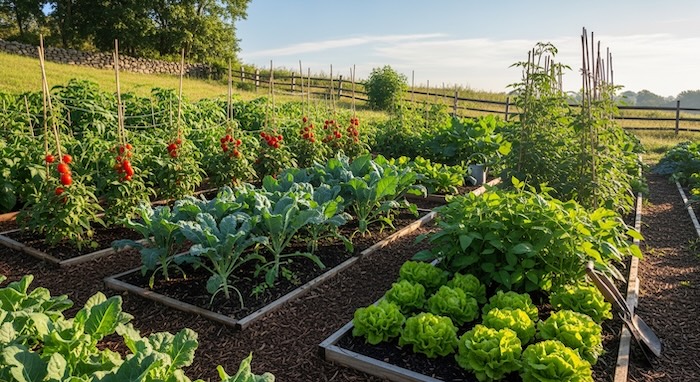
With every growing season, you’ll learn more about your soil and your garden. Organic gardening is a process, not a one-time setup.
The richer the soil becomes, the stronger and healthier your vegetables will grow. Some years will be better than others — and that’s just part of gardening.
If you enjoy the process, the garden will keep rewarding you.
Having a simple garden plan makes it easier to build better soil, rotate crops, and improve your organic garden a little more each season.
Final Thoughts on Organic Gardening
Organic gardening is one of the best investments you can make for yourself and your family. It takes patience, observation, and a willingness to learn — but the results are worth it.
Start where you are, improve your soil a little each year, and grow what you can. The garden will teach you the rest.
Happy Gardening.
Disclosure
Content on this site is for informational purposes only and reflects personal experience and research. Gardening results can vary based on climate, soil, and growing conditions. Some links may be affiliate links, which help support this site at no additional cost to you.
Updated February 2026
© 2017 – 2026, Teresa. All rights reserved.
Great article on organic gardening, I also have been a garden lover most of my life. My past home was clay soil and never really did very well, wish I had known to add good compost to improve the soil back then.
I am wanting to add a garden at my new place, I don’t know what the soil is going to be like yet but i am holding my breath?
How much compost would you recommend adding to a brand new garden, can I add compost in the spring when planting or should I wait until fall?
I’m in the process of year two with a brand new garden. I mixed in well aged compost into my soil last year and had some pretty nice crops. This year I will do the same. I put about 6 inches on the top of the soil and mixed it in real good. If you have clay you may want to add some sand to help break the clay up as well. Happy Gardening!
I have had a garden all but a few years of my life when it was not possible. In recent years we have been moving to more organic, but there has been one persistent problem that makes me fall back to using a pesticide once in a while. The squash bugs are such a huge problem. I love all of your information about improving soil quality. I thought I knew a lot, but I still picked up a few tips.
Those squash bugs and others can be a pain. I find companion planting and crop rotating seem to help with that. Here are a couple links that you may want to have a look at. Squash Bugs control, Crop Rotation Organic Farming, Companion Planting Chart