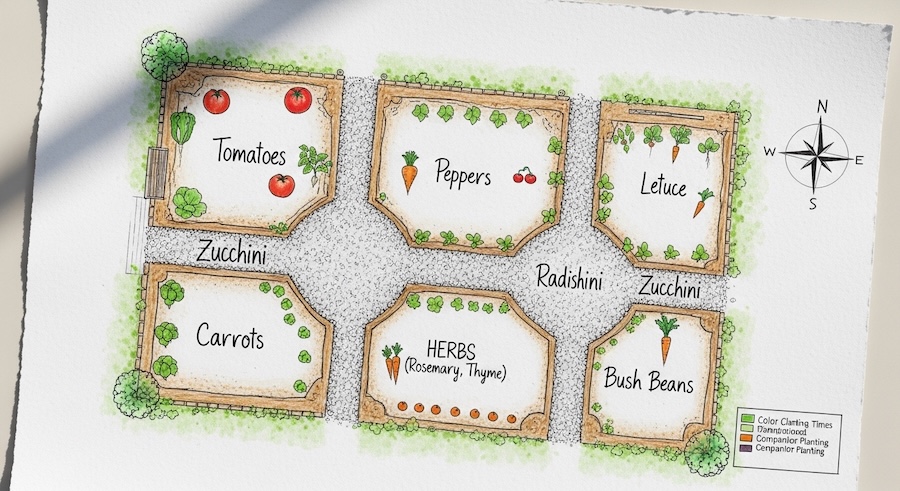
Vegetable garden layout plans are an important part of successful gardening. Putting your garden plan on paper before you start planting helps you decide what you will grow, where to plant, and how much space you’ll need.
A little planning upfront can save time, prevent overcrowding, and lead to healthier plants and better harvests.
Planning an Organic Vegetable Garden
When creating a vegetable garden—especially an organic one—it’s important to think beyond just what you want to grow.
Key planning considerations include:
Learning how to compost and adding composted material to your garden will greatly improve soil structure and nutrient levels, helping you grow strong, healthy vegetables naturally.
The Importance of Crop Rotation
Crop rotation plays a major role in organic gardening. Growing the same vegetables in the same spot year after year can deplete the soil of important nutrients and increase pest and disease problems.
Rotating crops helps:
- Maintain soil fertility
- Reduce pest and disease buildup
- Improve long-term garden health
Planning your garden layout ahead of time makes crop rotation much easier from year to year.
Companion Planting as a Natural Pest Deterrent
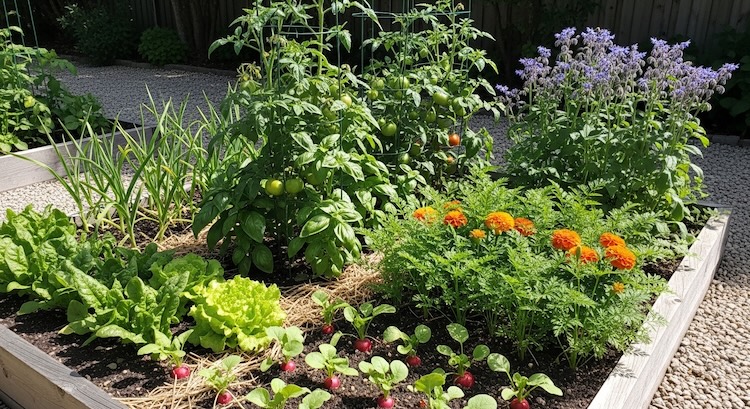
Companion planting involves growing certain plants together to support each other’s growth.
Planting the right crops next to—or with—each other can help:
- Deter pests naturally
- Improve plant health
- Increase overall yields
For example, peas and carrots grow very well together, making them a great pairing in a garden plan.
Compost and Soil Preparation
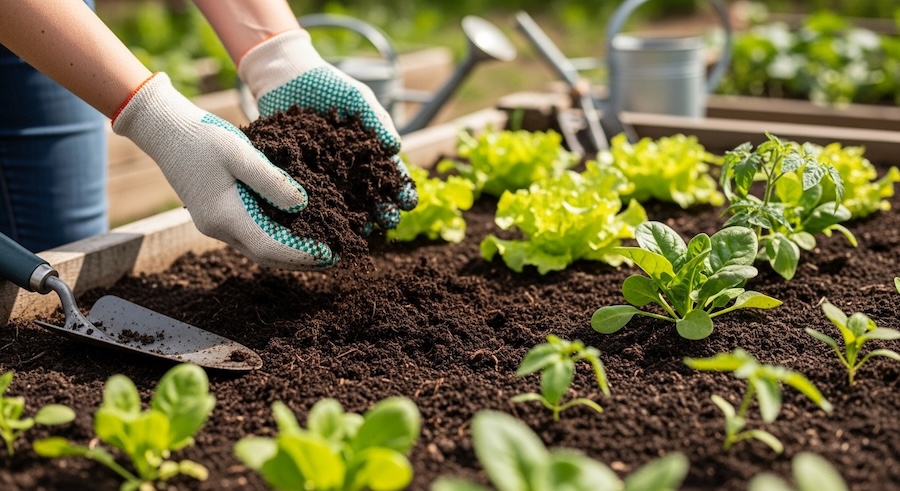
Healthy soil is the foundation of a productive vegetable garden.
Adding compost to your garden:
- Improves soil structure
- Adds essential nutrients
- Helps soil retain moisture
Composted soil supports strong root systems and healthier plants throughout the growing season.
A simple compost bin or compost tumbler makes it easier to create nutrient-rich compost for improving garden soil year after year.
Plan for Perennial Vegetables First
Before laying out the rest of your vegetable garden, consider any perennial vegetables you plan to grow.
Rhubarb and asparagus are the most common perennial vegetables in home gardens. Because they return year after year, they should be placed in a permanent location before planning annual crops.
Choosing the Right Location for Your Garden
To begin planning your vegetable garden layout, take a look at your yard as a whole. It can help to draw a rough sketch that includes:
- Your house
- Patio or deck
- Existing trees or structures
This gives you a clear idea of how much space you have and where a vegetable garden will fit best.
When selecting a garden location, consider:
- Amount of sunlight
- Soil quality
- Drainage and land level
Most vegetables need plenty of sun and well-draining soil to thrive.
If space or soil quality is limited, raised garden beds can make layout planning easier while improving drainage and soil control.
Creating Your Vegetable Garden Plan
Once you’ve chosen a location, grab a piece of paper and draw out your garden layout.
Think about:
- Which vegetables your family eats most
- What you like to keep in your fridge
- How much space each plant needs
Vegetables that are generally easy to grow include:
- Lettuce
- Peas
- Beets
- Swiss chard
- Carrots
- Radishes
- Potatoes
- Green beans
Decide which vegetables you want to grow and whether you have enough space for all of them.
Using a garden planner notebook or graph paper can make it easier to space plants properly and adjust your layout as your garden grows.
For more tips on planning, planting, and maintaining a productive garden, explore our complete Vegetable Gardening resource page.
Finalizing Your Garden Layout
After deciding what to grow and how much space you have, review companion planting recommendations to make sure your layout works well together.
A thoughtful vegetable garden layout plan helps you get the most from your space, supports healthy soil, and leads to more productive harvests year after year.
Disclosure:
Content on this site is for informational purposes only and reflects personal experience and research. Gardening results can vary based on climate, soil, and growing conditions. Some links may be affiliate links, which help support this site at no additional cost to you.
Updated Feb 2026
© 2017 – 2026, Teresa. All rights reserved.
Hey Jill:
I do love the way this page lays out the process of planning and laying out a garden so clearly and concisely. Doing it on paper and in your head first makes the end result so much more satisfying, I think.
It’s never exactly as you envisioned the thing, but the plan gives you a great starting point and a reference for how you do your next one better.
Hi Netta,
Thanks for your comments, I find planning the garden really helps although I have to say sometimes I change it up a bit when planting and forget to record it, but for the most part it works out real well.