
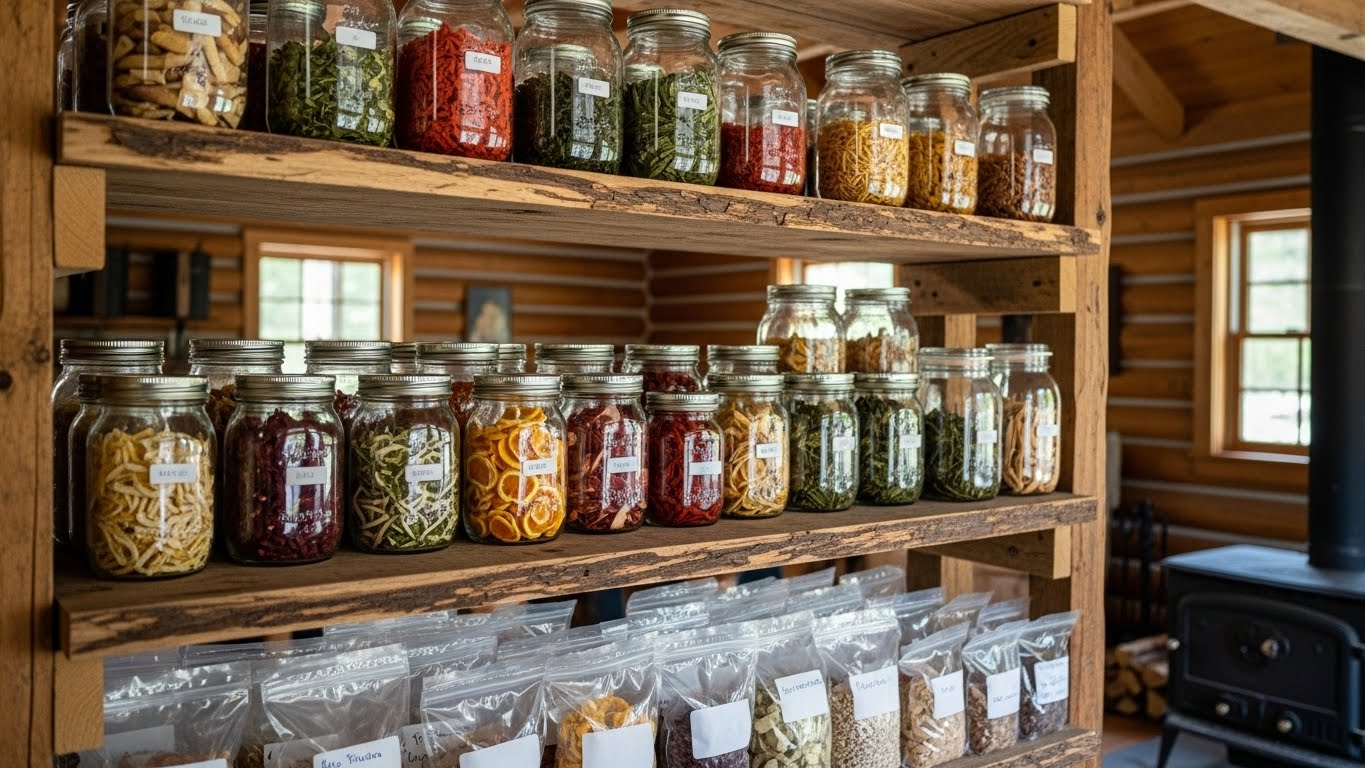
Food Preservation for Off-Grid Living
Preserving food is essential when refrigeration is limited and resupply is difficult. Off-grid food preservation focuses on long shelf life, minimal energy use, and nutrient retention.
Freeze Drying at Home
Freeze-drying is one of the most powerful preservation tools available today.
- Harvest Right freeze dryer guides
- Freeze dryer comparisons
- Shelf-stable freeze-dried recipes
Traditional Preservation
- Fermentation and yeast making
- Drying and dehydrating
- Homemade wine and drinks
- Root-cellar style storage
Long-Term Food Storage
Proper packaging, oxygen control, and storage conditions are just as important as preservation itself.
Related Food Preservation Guides
Explore off-grid food preservation techniques designed for long-term storage, minimal energy use, and self-reliant living:
- Harvest Right Freeze Dryer: The Ultimate Guide to Long-Term Food Storage at Home
- Harvest Right vs Vevor Freeze Dryer Comparison
- Freeze-Dried Yogurt & Fruit Bites Recipe
- Freeze-Dried Fruit & Oatmeal Clusters
- How to Make Your Own Yeast
- Preserving Garlic Scapes for Long-Term Storage
- Freeze Dried Food for Survival Kits and Emergency Preparedness
- Long Term Food Storage Guide
🫙 FOOD PRESERVATION — FAQ
Q: Why is food preservation important for off-grid living?
A: Food preservation reduces dependence on frequent shopping trips and ensures reliable food storage during power outages or remote living.
Q: What is the best food preservation method off-grid?
A: Freeze-drying, dehydrating, fermenting, and canning are all effective. The best method depends on available power, storage space, and goals.
Q: How long does freeze-dried food last?
A: Properly packaged freeze-dried food can last 20–25 years when stored in cool, dark conditions.
Q: Do you need electricity to preserve food off-grid?
A: Some methods require electricity, while others like fermenting or root-cellar storage do not.