
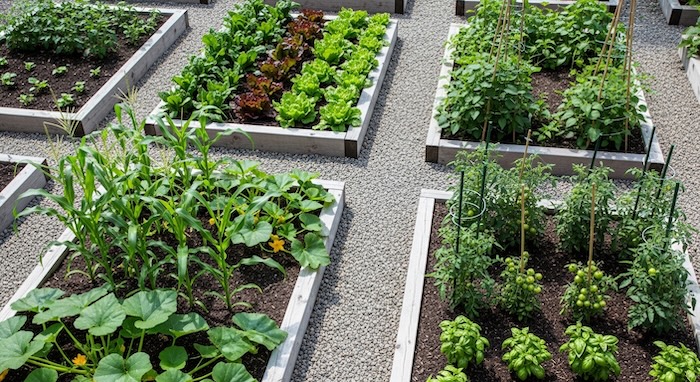
Crop rotation and companion planting are a must if you want to grow an organic vegetable garden successfully. Crop rotation plays a big role in keeping plants healthy and soil productive year after year.
With proper crop rotation, vegetables are less susceptible to pests and diseases that live in the soil. Rotating crops also helps prevent soil nutrients from becoming depleted, since different vegetable families use — and return — nutrients in different ways.
Why Crop Rotation Matters
Each vegetable family pulls nutrients from the soil at different levels. Some plants take more, while others help put nutrients back. By rotating crops, you help keep the soil balanced and productive.
Crop rotation can also help with weed control. For example, vegetables like broccoli grow large leaves that shade the soil, helping suppress weeds. That can leave the ground in better condition for the next crop, such as carrots or other root vegetables.
How Crop Rotation Works
Certain crops, like cauliflower and cabbage, should not be grown in the same spot for more than two years. While a two-year rotation can work, I prefer a longer cycle.
I rotate my crops every year using a four-year rotation plan, which helps reduce disease buildup and keeps the soil healthier over time.
To make this easier, crops are grouped into four main families.
The Four Crop Rotation Families
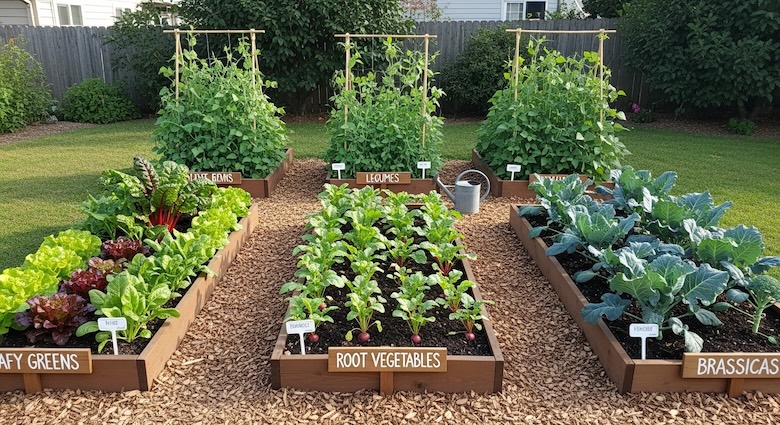
Pod Crops & Legumes
- Bush beans
- Broad beans
- Peas
Alliums
- Garlic
- Onions
- Chives
- Leeks
Root & Fruiting Crops
- Potatoes
- Carrots
- Parsnips
- Celery
- Tomatoes
- Corn
Brassicas & Leafy Vegetables
- Spinach
- Turnips
- Radishes
- Cabbages
- Cauliflower
- Kale
- Broccoli
- Brussels sprouts
- Kohlrabi
- Swiss chard
Keeping vegetables within their families makes rotation planning much simpler.
Planning Your Crop Rotation
Start by choosing the vegetables you want to grow, then use the crop families above to plan where each group will be planted.
Try to keep plant families together and remember to factor in companion planting, since growing the right vegetables together can improve plant health and reduce pest problems.
Drawing your garden layout on paper makes it easier to see how everything will fit and helps prevent planting the same family in the same spot year after year.
Be sure to keep your garden plans so you can refer back to them the following season.
Keep Records From Year to Year
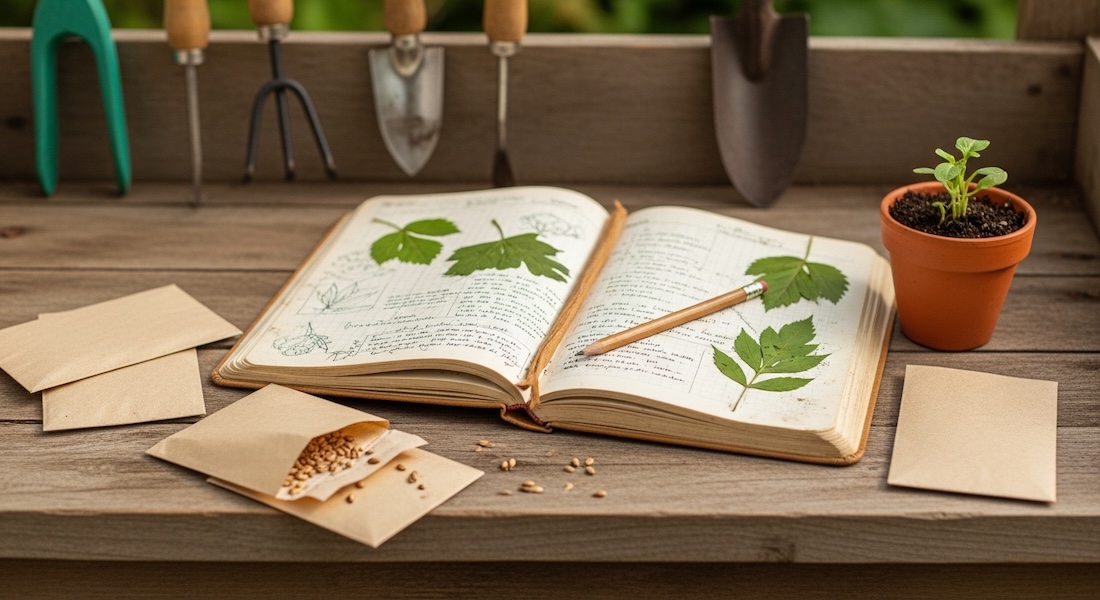
Keeping records is an important — and often overlooked — part of gardening.
I keep my garden notebook close by during planting and throughout the growing season. In it, I note what was planted where and how each crop performed. In the fall, the notebook gets stored with my seeds so everything is together when spring rolls around again.
Drawing your garden layout on paper makes rotation easier from year to year, and having a clear garden plan helps prevent planting the same crops in the same spot too often.
If you don’t write it down, you won’t remember it next spring — and I’ve learned that lesson more than once.
Final Thoughts on Crop Rotation
Crop rotation doesn’t have to be complicated. Even a simple plan can improve soil health, reduce pest problems, and lead to better harvests over time.
Combined with companion planting and good record keeping, crop rotation becomes one of the most effective tools you can use to grow a healthy, organic vegetable garden year after year.Crop rotation is just one part of growing healthy food — for more practical tips on planning, planting, and maintaining an organic garden, visit our Vegetable Gardening Hub.
Disclosure:
Content on this site is for informational purposes only and reflects personal experience and research. Gardening results can vary based on climate, soil, and growing conditions. Some links may be affiliate links, which help support this site at no additional cost to you.
Updated Feb 2026
© 2017 – 2026, Teresa. All rights reserved.
The Crop Rotation Organic was helpful in some gardening that I am starting to plant at the present time.
The Vegetable layout plans make it easy to put together and a very good reminder for those of us who need a reminder.
The Like and dislikes that you have set up makes it much easier in Companion Planting.
A great resource to use time and again. It has been bookmarked.
I’m glad to hear it’s been helpful for you Robert. I always draw up a plan, because the following spring I’ll forget what was where. It’s really key with crop rotation. Thanks for stopping by. Happy Gardening
I’m a beginner-yet-avid organic gardener. It’s only been a year since I’ve been growing my own fruits and vegetables and it is certainly a rewarding process. I was aware of crop rotation, but never knew that there are the crops of same families should be kept together. Thanks for pointing that out.
Looking forward to your future posts!
Growing your own certainly is rewarding, we know what we are putting into our bodies. Crop rotation I think is an important part of growing strong healthy vegetables. Thanks for stopping by the site.