Starting seeds indoors is one of the best ways to get a strong, healthy garden—especially if you’re living off-grid or dealing with a shorter growing season like we do.
One spring, I couldn’t find peat pots anywhere locally, which forced me to rethink my seed-starting setup. It turned out to be a blessing, because I learned what actually works (and what doesn’t) when it comes to peat pots and seed starting.
If you’re wondering whether peat pots are worth using, here’s everything you need to know.
🌿 What Are Peat Pots?
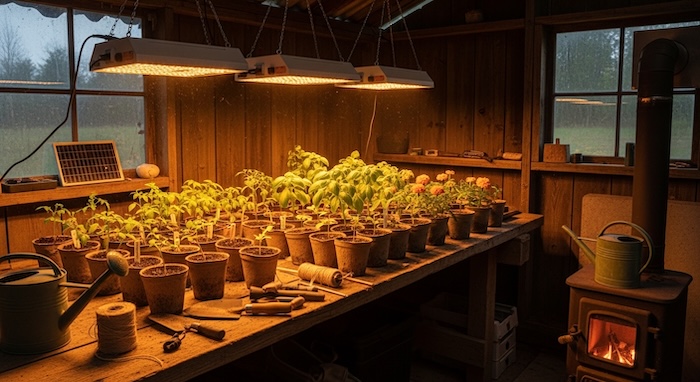
Peat pots are small biodegradable containers made from compressed peat moss. They’re designed to be planted directly into the soil, which helps reduce transplant shock and makes seed starting easier.
They’re especially popular for gardeners who want a more natural, eco-friendly option compared to plastic trays.
👍 Benefits of Using Peat Pots
There are a few reasons peat pots are so commonly used:
- 🌱 Less transplant shock – You plant the whole pot directly in the ground
- 🌱 Great for sensitive plants – Ideal for tomatoes, cucumbers, squash, and peppers
- 🌱 Biodegradable – Break down naturally in the soil
- 🌱 Easy for beginners – Simple, no-fuss setup
👉 If you’re just getting started, you might also like my guide on starting seeds off-grid, where I walk through my full setup from soil to lighting.
⚠️ The Downsides of Peat Pots (Most People Don’t Talk About This)
This is where things get real—and where most beginners run into trouble.
- ❌ They dry out quickly – Peat pulls moisture away from the soil
- ❌ Roots can struggle to break through if the pot dries too much
- ❌ Mold can form in humid conditions
- ❌ They can restrict growth if planted whole without prep
👉 This is why I always recommend learning proper watering and lighting. If you’re using grow lights, I share what I use in my guide on choosing the best grow lights for seedlings.

🪴 How to Use Peat Pots Properly (Important!)
If you’re going to use peat pots, this is the key to success:
- Soak the pots before planting
- This prevents them from stealing moisture from your soil
- Keep them consistently moist
- Don’t let them dry out completely
- Bottom water when possible
- Helps maintain even moisture
- Before transplanting, tear the sides slightly
- This allows roots to break through easily
👉 This one step alone can make the difference between thriving plants and stunted growth.
🌱 Best Plants for Peat Pots
Peat pots work best for plants that don’t like root disturbance:
- Tomatoes
- Peppers
- Cucumbers
- Zucchini
- Squash
- Melons
🛒 Best Peat Pots for Seed Starting
If you’re looking for reliable options, these are the types I’ve used with good results:
👉 Biodegradable Peat Pots 2.5–3 inch
- Great size for transplanting
- Eco-friendly and beginner-friendly
- Ideal for vegetables and flowers
- Expand with water
- Perfect for starting seeds quickly
- Clean and easy setup
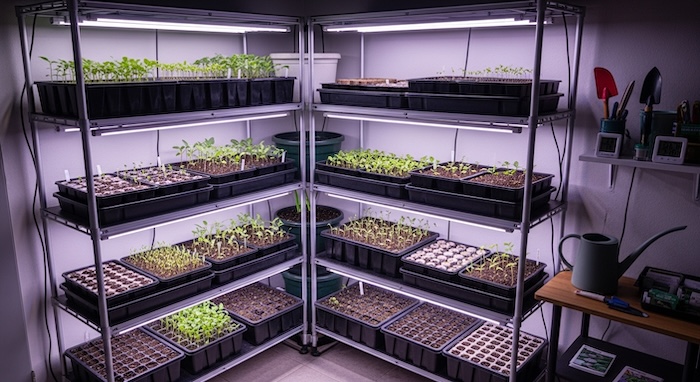
👉 Seed Starting Trays with Dome + Light Setup
- Helps control humidity
- Great for early seed starting
- Ideal if you’re growing indoors
💡 If you’re serious about starting a lot of seeds, investing in a simple grow light setup makes a huge difference. It’s one of the best upgrades I’ve made for my greenhouse and indoor growing.
💡 Better Alternatives to Peat Pots (Often Even Better)
After years of experimenting, I’ve found these options often work just as well—or better:
♻️ DIY Options
- Toilet paper rolls
- Newspaper pots
- Egg cartons
🌿 Reusable Options
- Plastic seed trays
- Silicone seed starters
🧱 Soil Blocking (Advanced but Amazing)
- No containers needed
- Strong root systems
- Less transplant shock
👉 If you’re building a more self-sufficient setup, these methods fit really well with an off-grid gardening approach.
🌞 My Seed Starting Setup (What I Actually Use)
Most of my seeds start indoors under grow lights, especially for:
- Tomatoes
- Peppers
- Broccoli
- Cauliflower
- Kohlrabi
Once they’re strong enough, I move them into larger pots and eventually out to the garden after the May long weekend (which is pretty standard in our climate).
👉 If you’re planning your garden, you might also want to read my post on building a reliable off-grid food supply, where seed starting plays a big role.
🌱 Final Thoughts: Are Peat Pots Worth It?
Peat pots can absolutely work—but only if you use them properly.
If you’re a beginner, they’re a simple and natural way to start seeds. But if you’re looking for long-term efficiency, you may find reusable trays or soil blocking work even better.
Like most things in gardening, it comes down to what fits your setup, your climate, and how hands-on you want to be.
Disclosure:
Content on this site is for informational purposes only and reflects personal experience and research. Gardening results can vary based on climate, soil, and growing conditions. Some links may be affiliate links, which help support this site at no additional cost to you.
Updated March 2026
© 2020 – 2026, Teresa. All rights reserved.
I really enjoyed reading you article there is a lot f personality in the story
Thanks Melissa
Hello; I agree with you to encourage people to grow some food for themselves. There are some farm products that we need and because of COVID 19, we will not get them for various reasons if we have our Gardens furnished with our veggies we are alright.
I have a few feet of back yard I plant everything I think it can hold, now I see it was good I did. I encourage everyone to plant something in their back front or side yard You never know how necessary it is until you can’t get it to buy.
DorcasW
Thanks for you comments DorcasW I too feel it’s getting more and more important for people to grow some of their own food. Even a little will help financially as well as feeding our bellies. I have enough room to plant for ourselves and more so whatever we don’t need will feed our neighbors. Take care and stay safe