Starting Vegetable Garden Seeds Indoors
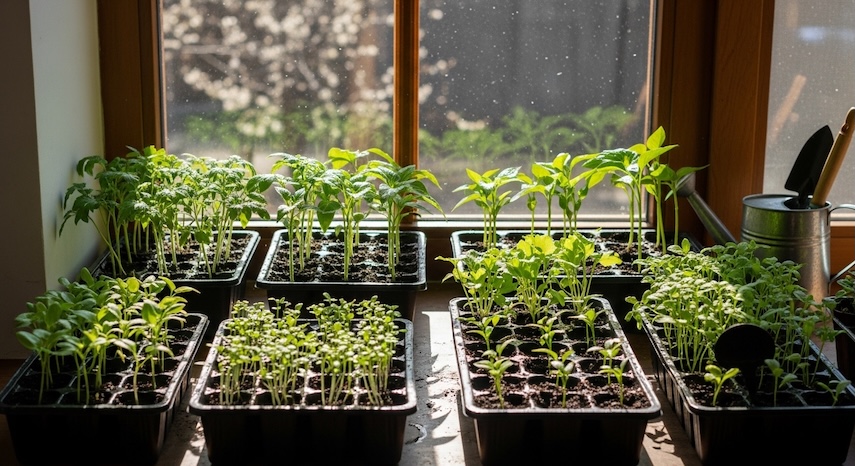
Starting vegetable seeds indoors is one of the best ways to get a jump on the gardening season—especially if you live in a northern or cooler climate.
But when should you actually start your seeds so they’re ready for planting outdoors at the right time?
When to Start Vegetable Seeds Indoors
The best place to begin is the back of your seed packet. Each packet includes important information about how many weeks before your last expected frost date the seeds should be started indoors.
Some vegetables take longer to germinate and grow than others, so timing matters.
To figure out your seed-starting schedule:
- Find your local last frost date
- Count backward the recommended number of weeks listed on the seed packet
- Mark those dates on your calendar
How many weeks until the last frost depends on the growing zone you live in.
Where I live, outdoor planting usually happens around May 24th. Even then, we can still get a light frost in the morning, so if you garden in a northern climate, it’s always best to be prepared.
Why Start Seeds Indoors?
Starting seeds indoors allows you to:
- Get an earlier harvest
- Grow stronger, well-established plants
- Plant a second round of seeds outdoors later for a staggered crop
- Many gardeners start early crops indoors and then direct-sow seeds outside for later harvests.
Which Vegetables Can Be Direct Sown?
Root vegetables generally do best when planted directly in the garden as soon as the soil can be worked.
In cooler zones like Zone 3–4, vegetables such as:
- Beets
- Potatoes
- Carrots
- Turnips
- Onions
- Garlic
- can all be planted early, even in cooler soil.
Seed Starting Containers and Kits
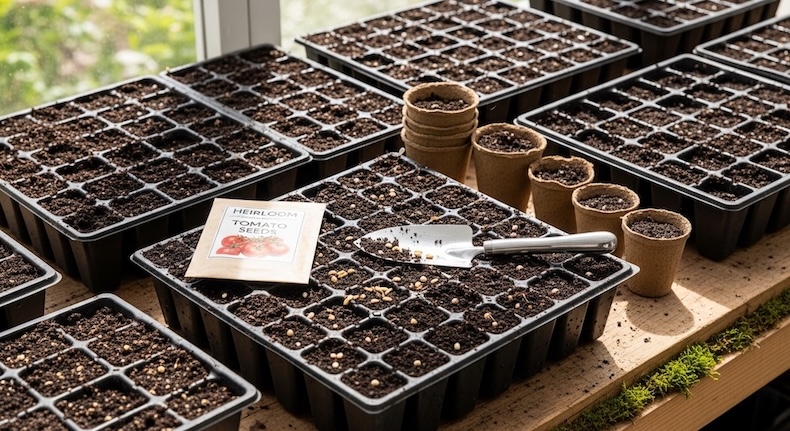
Seeds can be started indoors using:
- Seed starting kits
- Peat pellets
- Small pots or trays
Choose containers based on the vegetable you’re growing and how well it transplants.
Beans, for example, do not transplant well. I like to start them in peat pellets and then move them into peat pots, which can be planted directly into the garden. This helps prevent root disturbance.
Seed starting kits can make the process much easier, especially for beginners. Simple seed trays with drainage holes, humidity domes, or peat pellet kits help keep moisture consistent and seedlings organized during early growth.
Soil, Light, and Water Requirements
Using a good-quality potting or seed-starting mix is essential for healthy seedlings.
Seedlings also need:
- Plenty of sunlight
- Consistent moisture
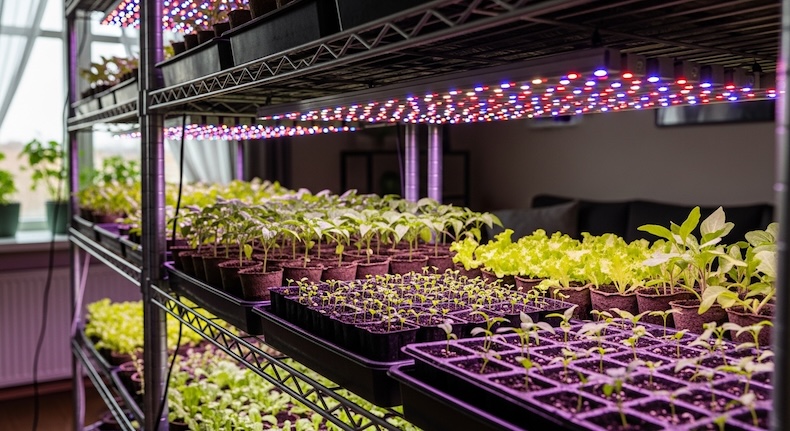
If plants don’t get enough light, they will grow long and thin (leggy). If you’re starting seeds indoors, place them in the sunniest window you have, or use grow lights if possible.
If natural sunlight is limited, grow lights designed for seedlings can make a big difference. They provide consistent light and help prevent plants from becoming leggy when starting seeds indoors
The soil must be kept moist at all times during germination and early growth.
If seeds dry out, they may fail to sprout. A lightweight seed-starting soil mix works best, as it drains well while still holding enough moisture for young roots to develop.
Starting Seeds in a Greenhouse
If you have a greenhouse, seeds can also be started there once temperatures are warm enough. A greenhouse provides excellent light and a controlled environment for early growth.
For more beginner-friendly gardening tips, including soil prep, planting schedules, and crop guides, explore our full Vegetable Gardening resource page.
Disclosure:
Content on this site is for informational purposes only and reflects personal experience and research. Gardening results can vary based on climate, soil, and growing conditions. Some links may be affiliate links, which help support this site at no additional cost to you.
© 2017 – 2026, Teresa. All rights reserved.
Hi there,
Thanks for this review. I myself am a keen vegetable gardner and always love to keep up with gardening information. I use ‘jiffy cups’ to grow my seeds indoors, I find they’re easy to manage and easy to transplant when ready.
I’m from New Zealand so I’m unsure whether they’re called ‘jiffy cups’ or ‘jiffy pots’ overseas sorry!
Anyway, thanks for the information. I’ll be reading up on some of your other posts soon.
Amy
Hi Amy,
I think we call the jiffy pots but I’m sure they are the same thing pots made with peat. I like them too, using them you don’t disturb the fragile roots when transplanting.
There will be more posts on gardening added soon.
I have always wondered about starting veggie seeds indoors, I have never tried it the thought always made me anxious.
I never knew you could actually purchase seed starting kits, this does ease my anxiety to give this a try this winter for my own seedlings in the spring
I like the peat pods idea the best, can I start any veggie seeds in peat pods?
Hi Jeffrey,
Seed starting kits are excellent for people starting out as everything you need is in the kit. I like using peat pods especially for seeds like beans that do not like being transplanted. I use these pots for all my seeds and they all seem to do okay.