
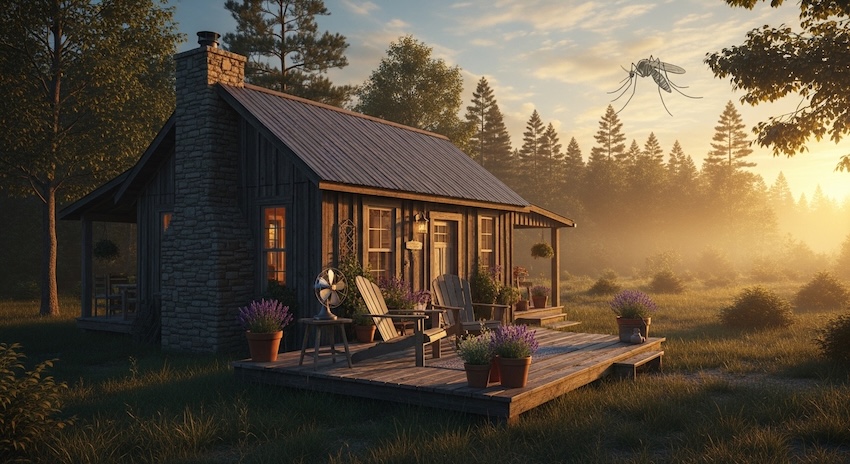
Living off the grid comes with its perks — quiet mornings, starlit skies, and that deep connection to nature you just don’t get in town. But if you’ve spent even one wet spring at a remote cabin, you know mosquitoes can turn peaceful evenings into a battle.
Over the years, I’ve had to figure out how to reduce mosquitoes around an off-grid cabin without relying on heavy chemicals or complicated systems. Some years are manageable. Other years, especially after heavy rain, it feels like they multiply overnight.
What I’ve learned is this: there isn’t one magic solution. The key to natural mosquito control off-grid is layering simple methods that work together.
Here’s what has actually worked for us.
- Why Mosquitoes Are Worse Around Off-Grid Cabins
- 1. Eliminate Standing Water
- 2. Improve Airflow Around the Deck and Cabin
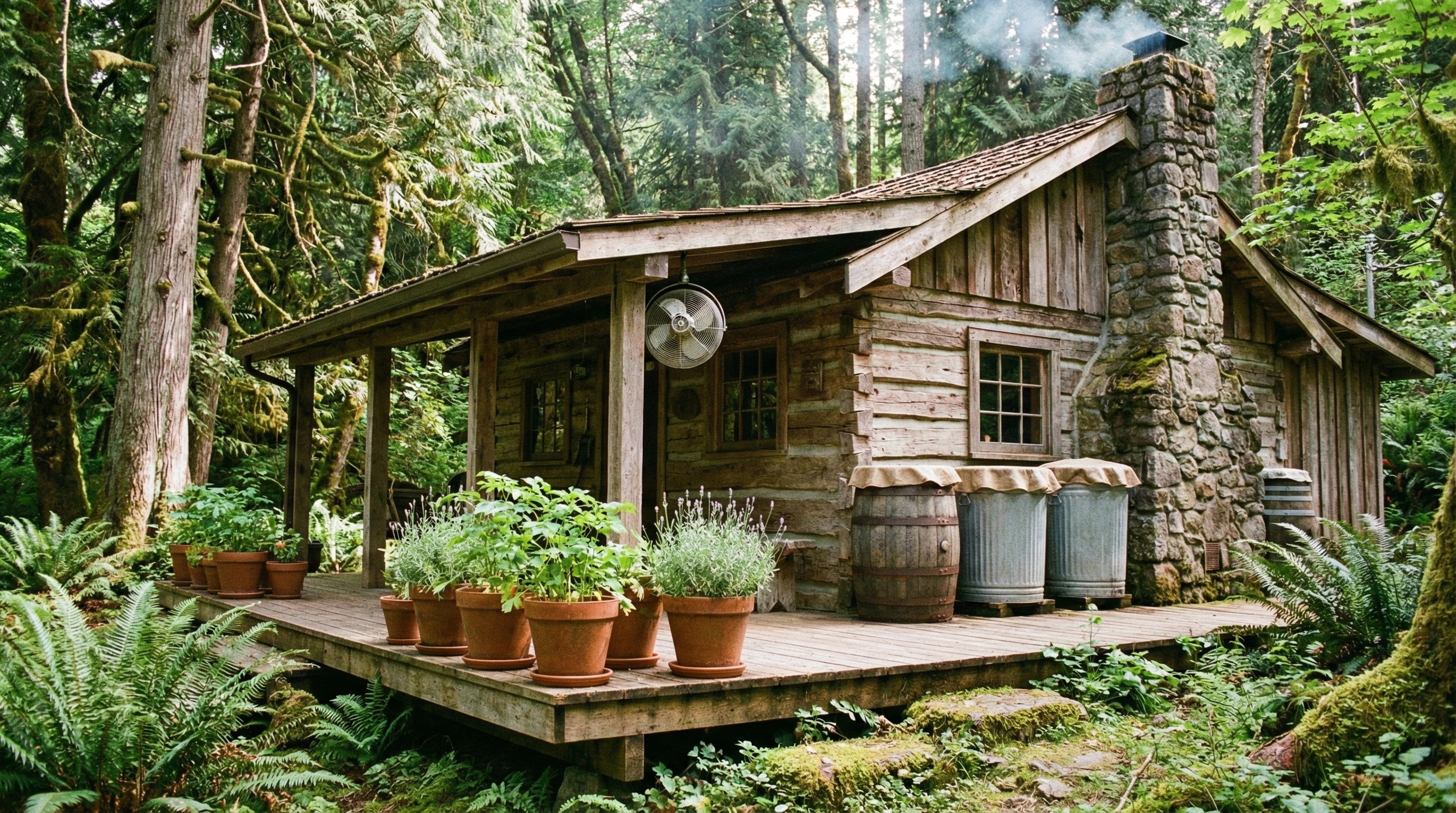
- 3. Use Natural Mosquito-Repelling Plants
- 4. Install Fans for Immediate Mosquito Relief
- 5. Use Mosquito Control Devices
- 6. Combine Protective Clothing and Repellent
- Frequently Asked Questions
- Creating a Low-Mosquito Off-Grid Cabin Life
Why Mosquitoes Are Worse Around Off-Grid Cabins
Remote cabins often sit near trees, brush, water runoff areas, or natural shade — which mosquitoes love. Add in rain barrels, wildlife water dishes, and forest humidity, and you’ve got ideal breeding conditions.
A single female mosquito can lay 100–300 eggs at a time, and in warm weather those eggs can hatch in as little as 48 hours. That’s why prevention matters more than chasing them after they hatch.
If you want to reduce mosquitoes around your off-grid cabin, you have to stop them before they get established.
1. Eliminate Standing Water (Your First Line of Defense)
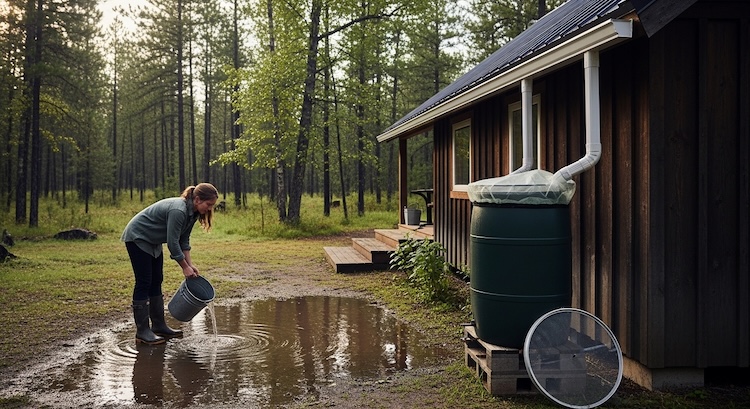
Mosquitoes need standing water to lay eggs. Even something as small as a forgotten bucket can become a mosquito nursery.
Every week, I walk around the property and check for:
- Buckets and containers
- Clogged gutters
- Puddles near the foundation
- Bird baths
- Pet bowls
- Tarps holding rainwater
If I find water, I dump it, cover it, or fix the drainage.
For rain barrels that I rely on, I use tightly fitted lids or fine mesh screens. If you’re collecting rainwater off-grid like we do, make sure your system is properly covered and filtered. I go deeper into safe setups in my complete guide to rainwater collection systems.
If there’s a pond or water feature I want to keep, I use mosquito dunks — they contain a naturally occurring bacteria that targets mosquito larvae but won’t harm fish, birds, or wildlife.
Keeping gutters clear and properly sloped has also made a noticeable difference.
If you’re serious about mosquito prevention for remote cabins, this is where you start.
2. Improve Airflow Around the Deck and Cabin
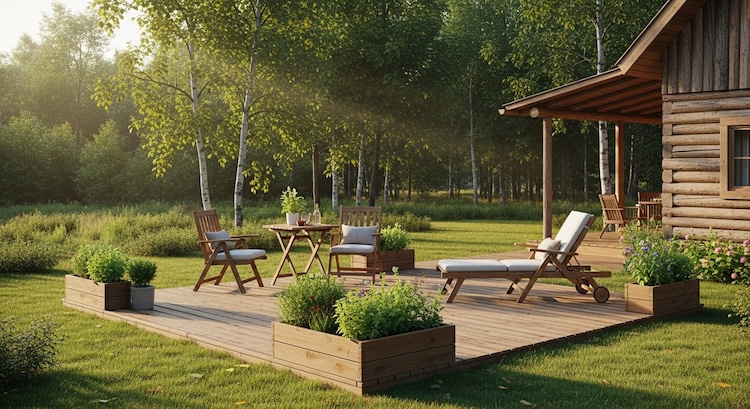
One thing I didn’t realize early on is that mosquitoes are weak fliers. They love still, humid air.
When I used to crowd my porch with planters and furniture, I was basically creating the perfect mosquito lounge.
Now I:
- Space out furniture
- Raise planters off the ground
- Trim brush and tall grass within 10–15 feet of the deck
- Cut back overhanging branches
Just allowing more airflow under chairs and across the deck floor reduces mosquito activity noticeably.
Good airflow is one of the simplest ways to reduce mosquitoes around a cabin naturally.
3. Use Natural Mosquito-Repelling Plants

I prefer working with nature when I can, and certain plants genuinely help.
Around my deck and entryways, I grow:
- Citronella
- Lemongrass
- Lavender
- Catnip (surprisingly effective)
- Basil
- Rosemary
- Marigolds
The plants alone won’t eliminate mosquitoes, but when brushed or gently crushed, they release oils that discourage them from hovering nearby.
I keep pots near doorways and seating areas. It creates a light scent barrier and makes the porch feel welcoming instead of chemical-heavy.
Bonus: many of these herbs are useful in the kitchen.
4. Install Fans for Immediate Mosquito Relief
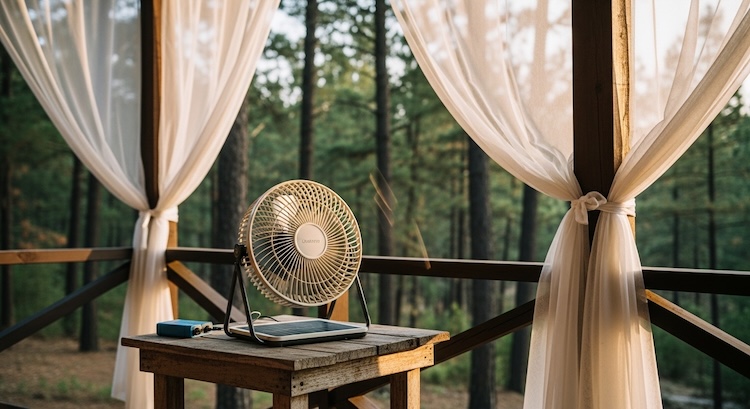
Adding fans to the deck was one of the best upgrades I’ve made.
Because mosquitoes struggle in moving air, even a small breeze helps. I usually aim a fan at ankle level since mosquitoes tend to go after legs first.
On-grid, a simple oscillating fan works fine. Off-grid, I use:
It doesn’t take a hurricane — just steady airflow. On warm evenings, it makes a huge difference in comfort.
If someone asks me for one quick fix for cabin mosquito control, I always say: add a fan.
Good lighting and airflow both matter on an off-grid deck. I also share how I set up off-grid solar lighting for our greenhouse and outdoor areas.
5. Use Mosquito Control Devices (When Needed)

Natural methods get me far most of the time. But during peak mosquito season, especially at dusk, I sometimes need extra help.
I’ve had good results with a Thermacell zone repeller. It creates an invisible protection zone around a seating area without spraying anything directly on skin.
It works best if:
- Turned on 10–15 minutes before sitting outside
- Placed close to where you’re seated
- Used at both ends of larger decks
For gatherings, using two units provides better coverage.
I prefer it over heavy sprays because it doesn’t leave residue and works well in an off-grid setup using butane cartridges or rechargeable batteries.
6. Combine Protective Clothing and Repellent
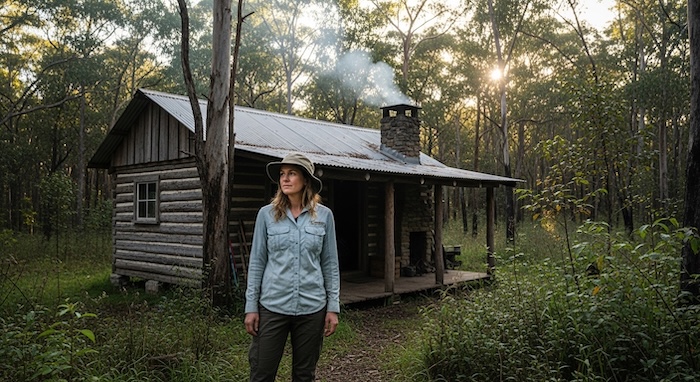
Some evenings, the bugs are just relentless.
That’s when I layer protection:
- Light-colored long sleeves
- Loose pants tucked into socks
- Lightweight head net (for fishing or working near brush)
Lighter colors seem less attractive to mosquitoes and feel cooler in the sun.
When mosquitoes are especially aggressive, I rely on proper mosquito-repellent clothing instead of just layering random fabrics. I share what’s worked best for us in this mosquito and tick clothing guide.
For repellent, I avoid heavy DEET when possible and opt for:
- Lemon eucalyptus oil sprays
- Plant-based commercial repellents
- Homemade vinegar-garlic blends
I focus on cuffs, ankles, and neckline — the places mosquitoes sneak in first.
When layered with airflow, water control, and plants, this combination gives reliable protection even during peak season.
Frequently Asked Questions About Mosquito Control for Cabins
Do citronella tiki torches work?
They help slightly, especially in groups, but the scent doesn’t travel far in wind. I treat them as ambiance more than primary protection.
Are propane mosquito traps worth it?
For larger properties, they can gradually reduce mosquito populations. They require maintenance and propane, so they’re better suited for long-term setups.
Do bats and birds reduce mosquitoes?
Yes. A healthy bat or bird population will reduce flying insects over time. I’ve installed a bat box and birdhouses to support natural pest control.
Are ultrasonic repellents effective?
I personally haven’t seen consistent results. I’ve had far more success with airflow, water control, and physical barriers.
How often should I check for standing water?
At least once a week, and more often after heavy rain. Making it part of your routine saves trouble later.
Creating a Low-Mosquito Off-Grid Cabin Life
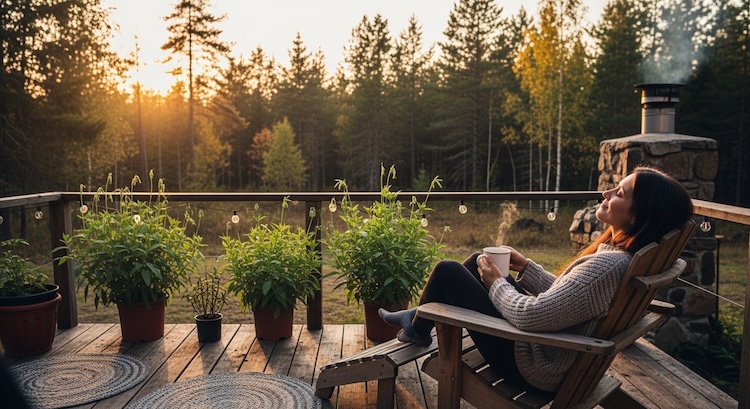
If you want long-term mosquito control for your off-grid cabin, it isn’t about one magic solution. It’s about layering practical strategies that work together.
For me, that means:
- Stopping breeding before it starts
- Improving airflow
- Growing helpful plants
- Using fans
- Adding backup devices when needed
- Wearing smart protection
It only takes a few minutes each week to maintain these systems, but the payoff is huge. Evenings become peaceful again. Mornings on the deck are enjoyable instead of itchy.
Mosquitoes are just one part of managing wildlife around a remote property. You can find more practical tips in my Safety & Wildlife section.
Off-grid living is about working with nature, not against it. When you approach mosquito control the same way — practical, layered, and simple — cabin life becomes far more comfortable, even in the thick of mosquito season.
And that, to me, is worth the effort.
Disclosure: This site may contain affiliate links. Content is for informational purposes only and reflects personal experience. Always do your own research before making decisions.
© 2026, Teresa. All rights reserved.