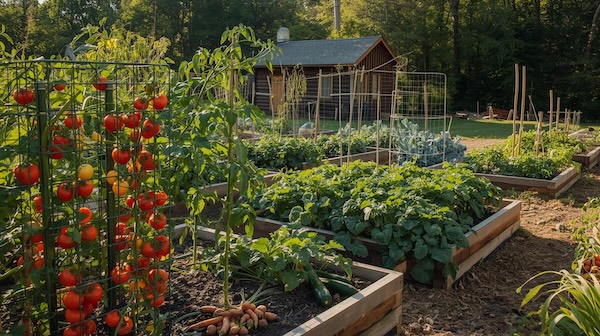
Growing food off the grid calls for reliable, productive crops that can thrive without fuss. High-yield vegetables are what I recommend for anyone starting a self-sufficient garden, whether you’re deep in the woods or just want to cut down on trips to the store.
Growing your own food is one of the most important parts of living off the grid. If you’re just getting started, you may want to read my guide on off-grid gardening and greenhouse growing, where I explain how we set up our garden at the cabin.
Thinking about space, nutrition, and how much work you want to put in upfront, choosing the right plants really pays off over a season or two.
Here’s my guide to the best vegetables to grow in an off-grid garden, with practical tips to help you get the most from each one.
Why High-Yield Crops Matter on an Off-Grid Homestead
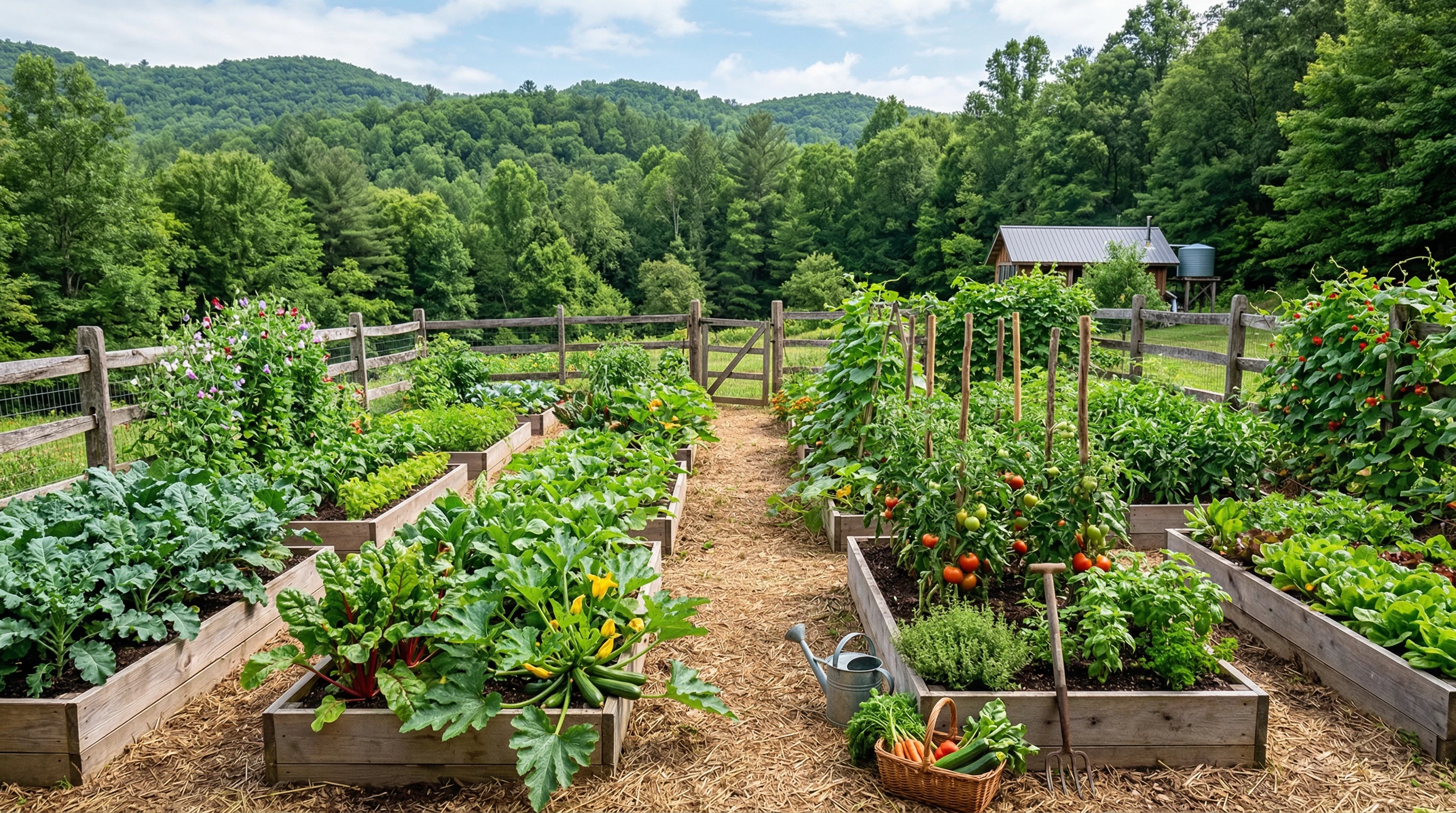
Having a steady harvest makes a big difference when you depend on your garden for daily meals. High-yield vegetables give you more food per square foot, making every bit of soil count.
Plants that keep producing after the first harvest, like beans and greens, are incredibly useful for ongoing meals.
Along with saving money, these types of crops help you put away enough for winter, reducing stress when bad weather or other setbacks hit.
Tools and supplies aren’t always easy to restock when you’re living off-grid, so heavy harvests with less replanting means less work in the long run.
That’s why I put priority on vegetables that offer great returns and are also easy enough for new gardeners to manage.
Picking crops that you enjoy eating also keeps you motivated to tend the garden, especially through tough weather or a busy schedule.
Getting Started: Basic Garden Setup Off the Grid
Great soil makes all the difference, so composting kitchen scraps and animal manure is definitely worth it.
Raised beds or traditional rows both work — just pick what matches your space and climate.
Many off-grid gardeners also like to test their soil before planting, especially if they’re working with new land.
A simple soil test kit can help you quickly check pH and nutrient levels so you know exactly what your garden soil needs.
Off-grid settings often mean watering by hand, so mulching and smart plant placement help your crops thrive even when you’re busy or rain is unpredictable.
Reliability is important, which is why I usually stick with open-pollinated or heirloom seeds where possible. These varieties can be saved from year to year, cutting out a trip to town or an online order every spring.
Don’t forget that many gardeners also set up simple fences or barriers early on, since wildlife pressure can be fierce in remote locations.
Top 15 Vegetables for High Yields in Off-Grid Gardens
All of these vegetables have delivered for me season after season.
Potatoes
Sweet Potatoes
Tomatoes
Zucchini (Summer Squash)
Green Beans
Peas
Cabbage
Kale
Swiss Chard
Carrots
Beets
Onions
Garlic
Cucumbers
Winter Squash
Detailed Vegetable Breakdowns
Potatoes
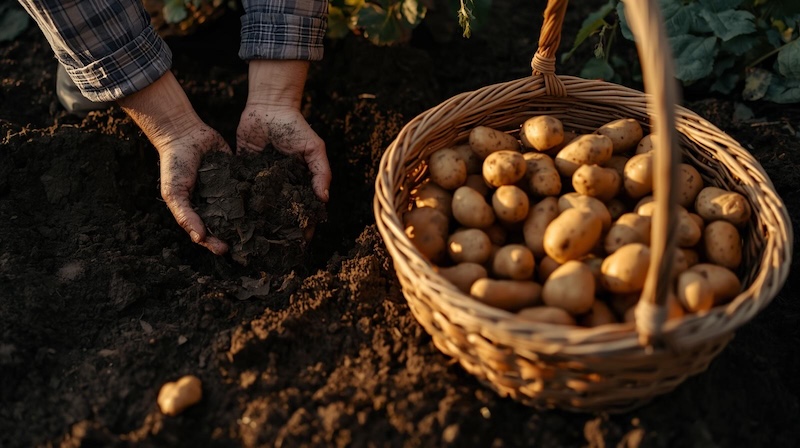
Potatoes grow almost anywhere and give you a whole lot of food from just a little space.
I usually plant them in trenches or sometimes in raised beds where the soil stays loose and drains well.
Let the tops die back, then dig up a season’s worth of starchy meals that store for months in a cool, dark place.
Tomatoes
Few plants beat tomatoes for sheer productivity.
With support cages or homemade stakes, indeterminate varieties keep fruit coming all summer.
A sturdy tomato cage or plant support can make a huge difference in keeping plants upright and preventing broken branches during heavy harvests.
Zucchini (Summer Squash)
If you’ve ever grown zucchini, you already know how quickly it piles up.
A couple of plants are usually all I need for regular harvests.
Pick them regularly and the plants will keep producing all season.
Green Beans
Pole beans are one of my go-to crops for vertical gardening.
With a simple trellis they produce heavy crops from mid-summer until frost.
A simple garden trellis system makes it easy to grow pole beans vertically and get much higher yields from a small garden space.
Carrots
Carrots do best in loose soil and are surprisingly productive.
They’re also excellent for long-term storage.
Many gardeners prefer growing carrots in raised beds, especially if their soil is rocky or compacted.
A simple raised bed garden kit can make growing root vegetables like carrots much easier.
Garlic
Garlic is one of the easiest crops to grow.
Plant it in the fall and harvest the following summer.
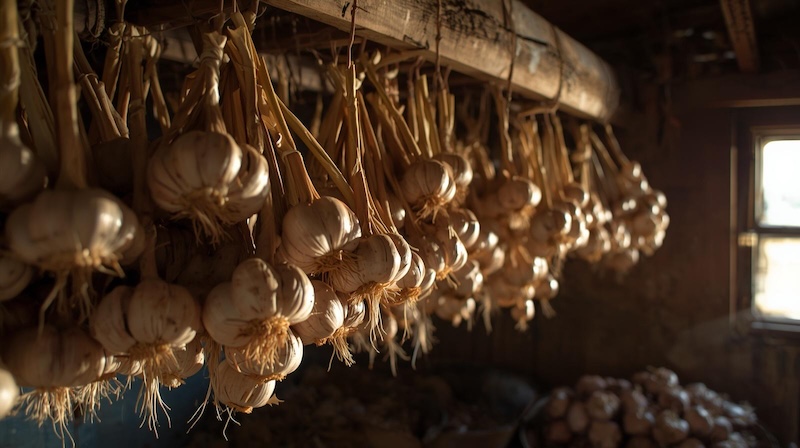
Once cured properly, garlic stores for many months and becomes a staple ingredient in the kitchen.
Many off-grid gardeners hang garlic bundles to dry in sheds or covered porches for natural storage.
You can even grow garlic very successfully in raised beds. If you’re interested, I wrote a full guide on growing garlic in raised beds that walks through the entire process from planting to harvest.
Cucumbers
Cucumbers grow quickly and produce heavily during summer.
Regular picking encourages new fruit and keeps plants producing longer.
They’re excellent fresh and perfect for pickling large batches for winter.
Winter Squash
Winter squash takes up space but produces an incredible amount of food per plant.
Once cured properly, many varieties will store for 4–6 months or longer, making them a valuable crop for off-grid food storage.
Common Challenges for Off-Grid Gardeners
Watering
Most high-yield crops need regular moisture.
Mulching and rainwater catchment systems help maintain steady soil moisture.
Many off-grid gardeners collect roof runoff using simple rain barrels to store water for dry periods.
If you’re relying on natural water sources, setting up a rain collection system can make gardening much easier. I explain how to do it step by step in my guide to rainwater collection for off-grid homes.
Pest Control
Without chemical sprays, row covers and companion planting help reduce pest pressure.
Beneficial insects and crop rotation also play an important role.
Wildlife
Wildlife can be one of the biggest challenges in remote gardens.
Simple fencing or garden mesh barriers can help protect crops from deer, rabbits, and other animals.
Practical Tips for Boosting Your Harvest
Growing more food isn’t only about what you plant, but how you manage your garden.
A few reliable techniques include:
Succession planting
Interplanting crops
Rotating crops each year
Building healthy soil with compost
These small habits often make the biggest difference in harvest size.
Final Thoughts
Choosing high-yield, reliable vegetables makes off-grid gardening far more rewarding.
By focusing on crops that grow easily, produce heavily, and store well, you can grow a garden that provides food for much of the year.
Even a small garden can produce an impressive amount of food when you choose the right crops.
And once you experience the satisfaction of filling your pantry from your own land, it becomes one of the most rewarding parts of living off the grid.
© 2026, Teresa. All rights reserved.