
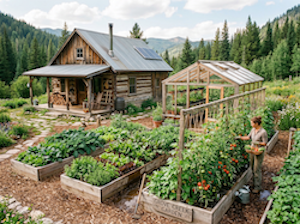
Learning how to become more self-sufficient on a homestead is one of the most rewarding journeys you can take. Whether you live on a small rural property, an off-grid cabin, or even a modest suburban lot, there are many ways to reduce your reliance on outside systems while becoming more resilient and independent.
Self-sufficient living often means growing food in your own garden, preserving your harvest, collecting rainwater, producing energy, and learning traditional homestead skills.
Below are 50 practical ways to become more self-sufficient, whether you’re just starting your homestead journey or looking to expand your skills.
What Does Self-Sufficient Living Mean?
Self-sufficient living means producing more of your own food, water, energy, and household supplies so you rely less on outside systems. Many homesteaders aim to grow their own food, preserve harvests, collect rainwater, generate off-grid power, and develop traditional skills that allow them to live more independently.
Self-sufficiency doesn’t mean doing everything alone. Instead, it means building systems around your home that make your lifestyle more resilient and sustainable.
Table of Contents
Grow Your Own Food
Growing your own food is often the first step toward self-sufficient living. Even a small garden can produce surprising amounts of vegetables, herbs, and fruit each year. Learning basic gardening skills allows you to reduce grocery bills while producing healthier food for your household.
1. Start a Vegetable Garden
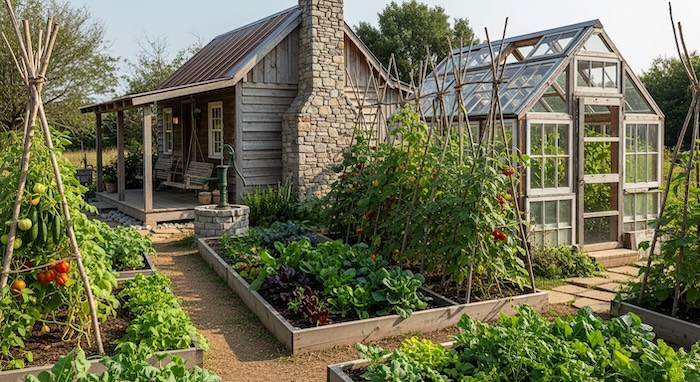
Growing a vegetable garden is one of the simplest ways to become more self-sufficient, and even a small space can produce a surprising amount of food when you understand the basics of off-grid gardening and greenhouse growing. Even a few raised beds can produce tomatoes, beans, lettuce, peppers, and other vegetables throughout the season. Gardening also teaches valuable skills about soil health, seasonal planting, and food production. If you’re just getting started, learning how to start seeds off-grid can help you produce strong seedlings without relying on store-bought plants.
Here are some great seed starting trays & garden trowel for the garden
2. Grow Culinary Herbs
Herbs like basil, parsley, thyme, rosemary, and mint are incredibly easy to grow and add tremendous flavor to home-cooked meals. Many herbs grow well in containers on patios or windowsills, making them perfect even for small homesteads. Growing herbs also allows you to dry and store them for winter use.
3. Plant Fruit Trees and Berry Bushes
Fruit trees and berry bushes are long-term investments that can produce food for decades. Apples, pears, cherries, raspberries, and blueberries all grow well in many climates. While fruit trees take a few years to mature, once established they provide reliable harvests year after year.
4. Build a Greenhouse or Cold Frame
A greenhouse or cold frame allows you to start seedlings earlier in spring and extend the growing season well into fall. Many homesteaders build simple greenhouses using recycled materials or affordable kits, making it easier to grow fresh vegetables almost year-round.
A greenhouse or cold frame allows you to start seedlings earlier in spring and extend the growing season well into fall, and many homesteaders are now building simple underground greenhouses for year-round growing.
5. Grow High-Yield Crops
Some crops naturally produce far more food than others, which is why I always recommend focusing on high-yield vegetables that thrive in off-grid gardens.best high-yield vegetables for an off-grid garden
6. Try Vertical Gardening
Vertical gardening allows you to grow more food in less space by training plants upward on trellises or supports. Crops like cucumbers, peas, squash, and beans thrive when grown vertically and often produce better harvests.
Vertical gardening is also one of the best ways to grow food in small spaces, similar to techniques used in 5-gallon bucket gardening systems.
7. Save Seeds from Your Garden
Saving seeds from your best plants allows you to grow crops year after year without buying new seeds. Over time your plants adapt to your local soil and climate conditions, producing stronger plants.
8. Practice Companion Planting
Companion planting pairs plants that benefit each other when grown nearby. For example, planting marigolds near tomatoes may help deter pests while improving overall garden health.
9. Create a Pollinator Garden
Pollinators like bees and butterflies are essential for many crops. Planting flowers that attract pollinators helps improve harvests while supporting local ecosystems.
10. Grow Perennial Vegetables
Perennial vegetables like asparagus, rhubarb, and walking onions return year after year without replanting, making them valuable additions to a self-sufficient garden.
Preserve and Store Food
Growing food is only part of self-sufficient living. Learning food preservation methods for homesteads ensures your harvest lasts throughout the year.
11. Learn Water Bath Canning
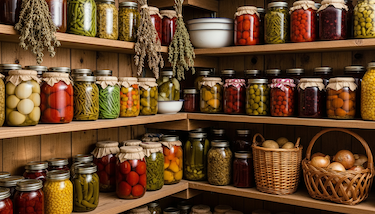
Water bath canning is a great way to preserve fruits, jams, pickles, and other high-acid foods. This traditional preservation method allows food to be stored safely for long periods without refrigeration.
This is the water bath canner I use, but they now have an electric one out that I think might be better especially if you are starting out. Here is the link: Electric Water Bath Canners
12. Use a Pressure Canner
Pressure canning allows you to safely preserve low-acid foods like vegetables, meats, and soups. Many homesteaders consider a pressure canner one of the most valuable tools for preserving food long-term.
13. Freeze Garden Harvests
Freezing vegetables like beans, corn, peas, and berries preserves their flavor and nutrition while allowing you to store large harvests for winter use.
Freezing works especially well when combined with other long-term storage methods like freeze drying food for long-term preservation.
14. Dehydrate Fruits and Vegetables
Dehydrating removes moisture from food so it can be stored for long periods without spoiling. Many homesteaders use dehydrators to preserve apples, tomatoes, herbs, and berries.
Here is a selection of great food dehydrators
15. Ferment Vegetables
Fermentation is an ancient preservation technique that creates foods like sauerkraut, kimchi, and fermented pickles. Fermented foods also provide beneficial probiotics.
16. Store Root Crops
Potatoes, carrots, onions, and beets store well in cool, dark environments such as root cellars or cool basements.
17. Vacuum Seal Food
Vacuum sealing protects food from moisture and air, allowing grains, dried foods, and meats to last much longer. I can’t imagine preserving food without a vacuum sealer. I used to use a straw to suck the air out of bags before freezing. This was a real game changer for me.
Here is a link to some of the vacuum sealers available.
I also use a jar sealer for food that I freeze dry when preserving long-term pantry ingredients using home freeze drying systems.
18. Preserve Eggs with Lime
Water-glassing eggs using pickling lime allows fresh eggs to be stored for several months without refrigeration.
19. Build a Pantry System
Organizing a well-stocked pantry ensures you always have preserved food available while allowing you to rotate older items first.
20. Learn Basic Cheese or Yogurt Making
Turning fresh milk into yogurt or cheese is another step toward food independence.
Raise Animals for Food and Products
Animals provide eggs, meat, milk, fertilizer, and many other resources that increase self-sufficiency on a homestead.
21. Keep Chickens
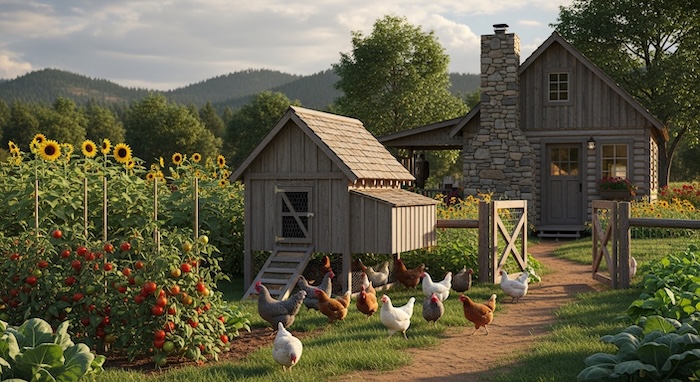
Chickens are one of the easiest animals for beginners to raise. They provide fresh eggs, natural fertilizer for the garden, and help control insects around the homestead.
22. Raise Rabbits
Rabbits reproduce quickly and require little space, making them an efficient meat source for small homesteads.
23. Keep Bees
Beekeeping provides honey, beeswax, and essential pollination for gardens and orchards.
24. Raise Ducks
Ducks produce eggs and meat while also helping control pests in the garden.
25. Milk Goats
Goats provide milk that can be used for drinking, cheese, yogurt, and soap making.
26. Use Manure for Compost
Animal manure can be composted to create rich fertilizer for gardens.
27. Breed Livestock
Breeding animals allows you to maintain a sustainable food source on your property.
28. Raise Quail
Quail are small birds that require very little space but produce eggs regularly.
29. Fish Farming in Ponds
Small ponds can be used to raise fish such as trout or tilapia for food.
30. Harvest Wool or Feathers
Some animals provide materials like wool or feathers that can be used for clothing, bedding, or crafts.
Save and Collect Water
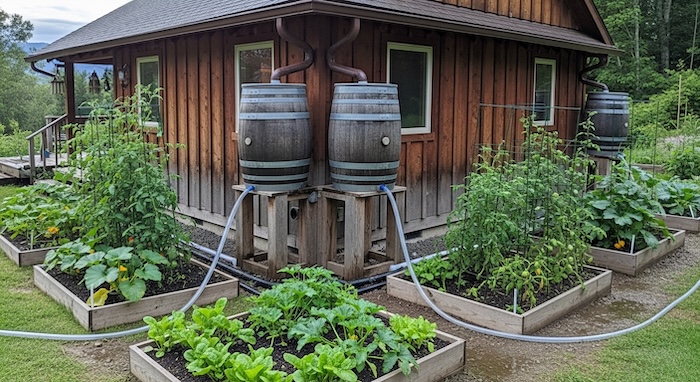
Reliable water systems are essential for a self-sufficient homestead, which is why many off-grid homes rely on rainwater harvesting systems and water storage setups.
-
Rain barrels are one of the easiest ways to start collecting water, and even a basic system can capture hundreds of gallons of water each season when set up properly using rain barrel collection systems.
-
Build a Greywater System
-
Dig a Well
-
Use Swales for Water Management
-
Maintain Water Storage Tanks
-
Install Low-Flow Fixtures
-
Filtering water is critical for safety, which is why many homesteaders install off-grid water filtration systems to ensure clean drinking water.
Generate Power and Handle Waste
Producing your own energy and managing waste makes your homestead far more resilient.

-
Solar panels are the most common energy source for off-grid homes, and choosing the right system starts with understanding how off-grid solar power systems work.
-
Try Small Wind Turbines
-
Use a Wood Stove -Wood stoves remain one of the most reliable heating options for remote cabins, but it’s important to understand wood stove safety for off-grid homes.
-
Build a Rocket Stove -Rocket stoves are extremely efficient and are becoming popular among homesteaders looking for efficient off-grid cooking solutions.
-
Use Solar Water Heating
-
Reduce Power Usage
-
Compost Household Waste -Composting kitchen scraps and garden waste is one of the easiest ways to improve soil health while reducing household waste on a self-sufficient homestead.
Make Household Products and DIY Supplies
Learning traditional household skills reduces reliance on stores while saving money.

-
Make Natural Cleaners
-
Sew or Repair Clothing
-
Make Beeswax Candles
-
Up-cycle Household Materials
The Reality of Becoming Self-Sufficient
Becoming self-sufficient doesn’t happen overnight. Most homesteaders build their skills gradually by adding one project at a time.
One year you may focus on gardening. The next year you might raise chickens or begin preserving food.
Over time these small improvements create a resilient homestead that produces more of its own food, water, and energy.
The most successful homesteads grow step by step.
Frequently Asked Questions
Can you become self-sufficient on a small property?
Yes. Even small gardens can produce large harvests using raised beds, vertical gardening, and container growing.
What is the easiest way to start homesteading?
Growing some of your own food is usually the simplest starting point.
How long does it take to become self-sufficient?
Most homesteaders build their skills gradually over many years by adding new projects each season.
Conclusion
Every homestead looks different, and your journey toward self-sufficiency will be unique. The key is to keep learning, experimenting, and building practical skills that allow you to depend less on outside systems.
Even small steps like planting herbs, preserving vegetables, collecting rainwater, or learning to repair tools can make a meaningful difference over time.