
Why Everyone Can Grow a Vegetable Garden
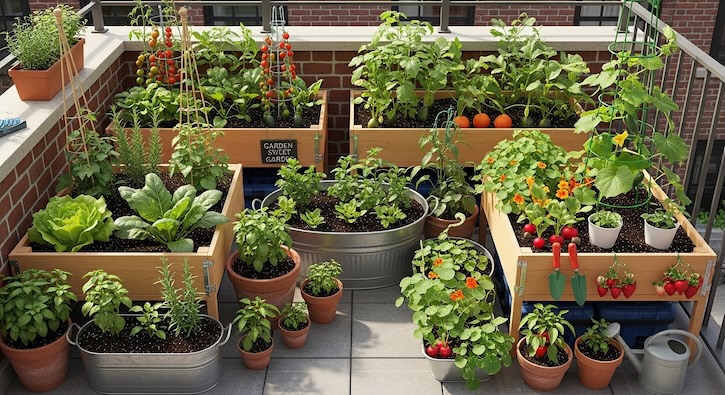
Growing a vegetable garden doesn’t require acres of land, expensive equipment, or years of experience. Whether you live in an apartment, a suburban home, or on rural property, vegetable gardening is possible in more ways than most people realize.
Vegetables can be grown in raised beds, containers, small backyard plots, straw bales, and even mixed into flower beds. Some gardeners start plants from seed, while others prefer to buy seedlings — both approaches work, and there’s no single “right” way to begin vegetable gardening.
A Vegetable Garden Saves Money and Builds Confidence
One of the biggest benefits of growing a vegetable garden is knowing exactly what goes into your food. With frequent grocery recalls and rising food costs, many gardeners find peace of mind in harvesting produce they’ve grown themselves.
Over time, a vegetable garden can help reduce grocery bills while providing fresh, seasonal food right outside your door.
Gardening Works in Any Space and Climate
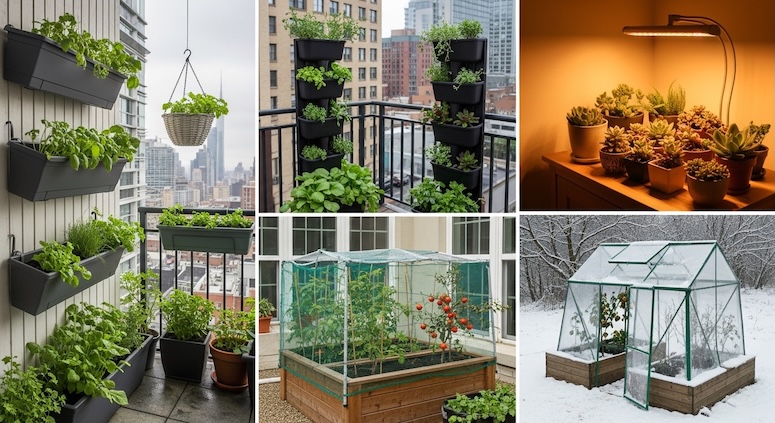
You don’t need a greenhouse or a warm climate to grow vegetables. Even in cooler regions, simple season-extending tools like row covers, cold frames, or cloches can help vegetables thrive.
Vegetable gardening is adaptable. It meets you where you are — in the space you have and the climate you live in.
Learning Through Trial and Error
Every gardener learns through experience. Some seasons bring surprises and great harvests, while others teach valuable lessons. Experimenting is part of the process, and even disappointments help build skills for future seasons.
A successful vegetable garden isn’t about perfection — it’s about persistence.
Growing my own garden over the years has involved plenty of trial and error. I love experimenting with new ideas, and that has left me both surprised and disappointed at times. One year I was lucky enough to harvest corn, which doesn’t normally grow well here. Every year since, I’ve tried again with no success — but by the end of each season, we still have a freezer full of homegrown vegetables.
Gardening Brings Families Together
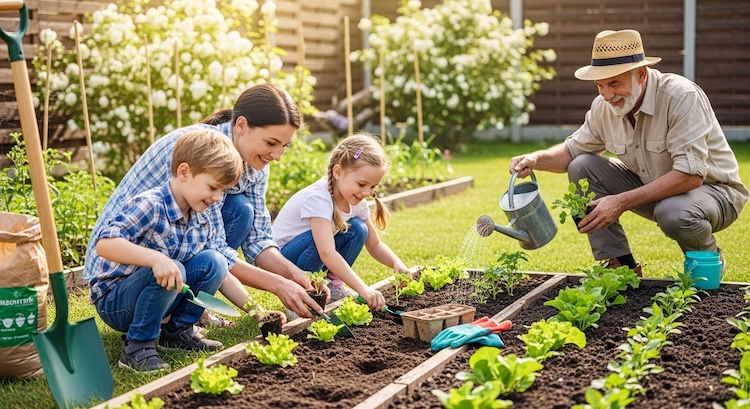
Vegetable gardening is also a wonderful way to involve children and grandchildren. Giving kids their own vegetable to grow helps them learn where food comes from and teaches patience, responsibility, and care for the natural world.
Along with the fun comes weeding — an important lesson every gardener eventually learns.
My grandchildren come out every spring to help in the garden, and each year they choose a vegetable of their own to grow. They’ve learned that gardening is rewarding, but it also takes work.
Common Challenges (and Simple Solutions)
Wildlife, weather, and pests are all part of gardening life. Deer, for example, can undo months of work in a short time, and many gardeners eventually discover that tall fencing is the most reliable solution.
Challenges are normal — and manageable — in any vegetable garden.
Getting Started Is Easier Than You Think
If you’re new to vegetable gardening, the best place to begin is with simple, proven guidance. From starting seeds indoors to planning your garden layout and choosing the right crops, a little preparation goes a long way.
For step-by-step guides, garden planning help, and beginner-friendly advice, visit our complete Vegetable Gardening Hub.
Gardening season is just around the corner….time to start thinking of what to grow.
Next Steps for New Gardeners
- Starting Vegetable Garden Seeds Indoors
- Learn How to Compost
- The Importance of Crop Rotation
- Drawing Your Garden Plan
- Where to Find Vegetable Seeds
- How to Organic Garden
- Gardening
- Extend Your Vegetable Garden Season
- Where to buy Vegetable Seeds
- Companion Planting: A simple way to increase your Garden Harvest
Disclosure:
Content on this site is for informational purposes only and reflects personal experience and research. Gardening results can vary based on climate, soil, and growing conditions. Some links may be affiliate links, which help support this site at no additional cost to you.
Updated Feb 2026
© 2026, Teresa. All rights reserved.