Starting seeds off-grid is a really satisfying way to make sure your garden gets a strong start and you get the veggies, herbs, and flowers you want—even if your garden is far away from regular supplies. I’ve had plenty of moments where I needed to get creative without a garden center nearby, and I learned quickly that a little planning changes everything. Off-grid seed starting means you rely more on your own resourcefulness, and that can even make gardening more rewarding.
Tools and Supplies for Off-Grid Seed Starting
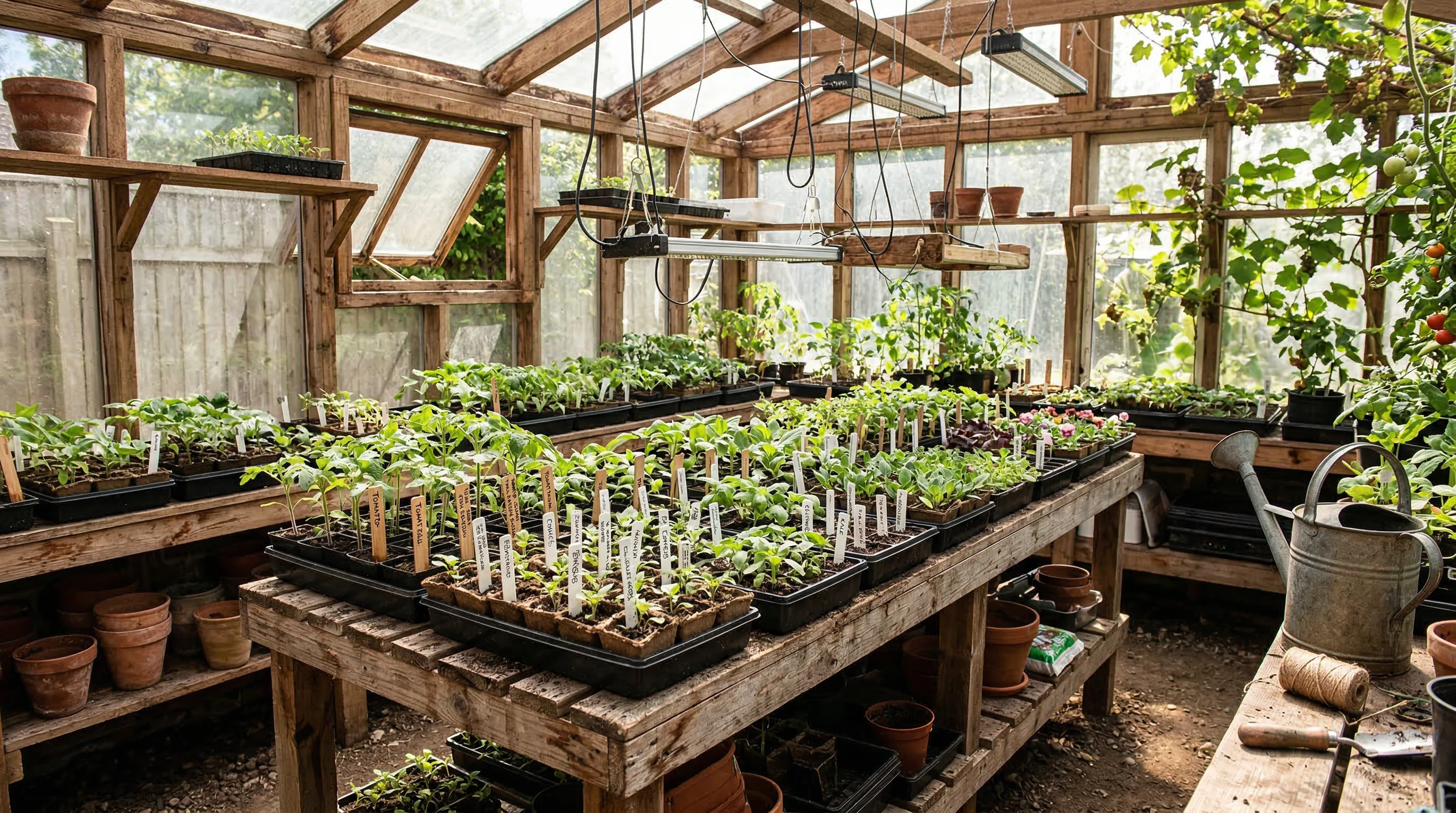
You don’t need fancy tools to start seeds off-grid, but a few items make things much smoother. The basics: quality seeds, a starting mix (homemade or storebought), seed trays, and a spot with good light. Depending on where you are and what you’re growing, you might also want heat mats, grow lights (with solar power), and something for labeling your plants. These give your seedlings a boost and make the whole process more reliable.
Seed trays help by keeping everything organized and managing moisture. If you don’t have trays, you can use upcycled containers—just add drainage holes at the bottom. Heat mats make a big difference in cool spots or early in the season. I’ve used everything from propagator lids to recycled clear tote lids, and all help keep warmth and humidity steady for young seeds.
How Seed Starting Works Off-Grid
Starting seeds off-grid aims to give seeds everything they need to sprout and become sturdy seedlings before moving outside. When electricity and commercial supplies are limited, it pays to adapt. Seeds need warmth, moisture, and light to get going. You can still get excellent results by working with what you have, and sometimes these solutions work just as well as store-bought supplies.
If your cabin or shed is low on sunlight, a small solar panel can run LED grow lights. Even a basic solar setup lets you use low-wattage lights or a heating pad for crops like tomatoes or peppers. I like to line up my seed trays on a bench near south-facing windows for maximum brightness, and I’m often surprised by how well seeds grow on a simple window ledge or rack—even in a rustic space. Consistent temperature and moisture are key factors that you’ll want to pay attention to.
- Seed Trays: Keep seedlings organized, make watering simple, and help save space for more starts.
- Heat Mats: Raise soil temperatures for heat-loving seeds (like tomatoes), giving germination rates a boost.
- Grow Lights: A must-have if sunlight is lacking, especially in early spring or shaded spots.
- Plant Labels: Make sure you remember which variety is which—trust me, it’s easy to mix up lots of green shoots.
Easy Steps for Off-Grid Seed Starting Success
I keep my routine simple and repeatable so nothing gets skipped even on off-grid days where you’re multitasking. Here’s my go-to checklist for starting seeds from scratch:
- Fill Seed Trays: Use a moist, light starter mix. Compost, coconut coir, and sand blend together really well if you’re making your own.
- Sow Seeds: Place seeds in shallow holes. Smaller seeds just need a dusting of soil. Add labels so you keep track of what’s planted where.
- Water Gently: Mist gently or water from below to avoid moving seeds around. Moisture matters, but don’t let trays get soggy—you want roots, not rot.
- Warmth: For warmth-loving plants, put trays on a heat mat or over a warm water bottle. Sunlit windows can provide enough heat for hardy seeds.
- Light: Once seeds sprout, move trays to your sunniest spot. With grow lights, 14-16 hours a day is ideal (keep bulbs just above the seedlings).
- Thin Seedlings: After true leaves appear, thin out extras so each plant can grow strong roots and stems.
Things to Watch Out For
Seed starting off-grid brings a few unique challenges you may not face with a traditional setup. Here are some of the main things to keep an eye on and tips for dealing with them:
- Water Supply: Hauling water is tiring, so I set up rain barrels or store extra runoff in totes. Bottom-watering trays helps cut down on water waste and keeps soil evenly moist.
- Temperature Fluctuations: Even indoors, temperatures swing in a greenhouse or rustic room. Insulating under trays or using heat mats helps protect against cold snaps at night.
- Low Light: Spring storms, shade, or short days can slow growth. Solar grow lights connected to small battery banks fill the gap. Regular LED bulbs can be enough for small setups.
- Keeping Everything Straight: Mixing up trays is easy with several varieties. Homemade labels using plastic strips, popsicle sticks, or rocks with wax pencil keep you organized.
Seed Trays
Trays with cells are my favorite for starting seeds off-grid since they make transplanting simple and stop roots from tangling. For small spaces, deep trays are good for slower starts, and shallow trays work for fast-growing greens. I often use egg cartons and yogurt cups—keep an eye on drainage!
Heat Mats
In colder climates where spring is slow, heat mats are key for a strong start, especially for tomatoes and peppers. My low-watt mat connects to our solar array, but you can also set trays near wood stoves or over the fridge for gentle heat if power is scarce.
Grow Lights
Solar-powered grow lights have kept many of my seed batches going strong. Basic LED strips barely stress your battery and give seedlings the light they need. Adding a few hours of artificial light helps keep your plants compact and healthy. Sometimes folks suspend their lights above trays and lower them as seedlings grow—a small adjustment with a big impact in tight spaces.
Plant Labels
Labeling trays right away (with anything waterproof) keeps you from losing track of all your varieties, especially heirlooms. It’s a habit that pays off when you transplant or save seeds later in the season.
Off-Grid Gardening Ideas and Stories
I’ve seen plenty of gardeners in remote spots get creative with whatever’s around. For example, upcycled windows work well as cold frames for early starts, and stacking trays near the best light uses limited space wisely. Mini hoop houses out of old plastic or worn greenhouse panels make a difference in warmth. It’s also common to swap extra seedlings or potting mix with neighbors, stretching resources further. Being flexible and planning for basics—warmth, water, and light—is essential for a smooth experience.
- Veggie Gardens: Short seasons mean starting veggies indoors really extends harvest time in remote spaces.
- Herb Beds: Even one tray of herbs started inside can keep your meals fresh and homemade remedies stocked in summer.
- Native Plants: Growing wildflowers for pollinators is simple if you start them from seed—especially practical when there’s no nursery nearby.
Frequently Asked Questions
Question: Can I start seeds off-grid without buying any new gear?
Answer: Absolutely. Recycled yogurt cups, cartons, or other food containers work as trays, and sunny windows or cold frames made from old materials give seeds enough light to sprout. Hot water bottles or jars stand in for heat mats if needed.
Question: My seedlings look weak and spindly. What helps the most?
Answer: Most times, they need more light. Move trays closer to sunny windows or add a solar or battery-powered grow light. Brushing the tops of your seedlings gently with your hand every day can help strengthen them, too.
Question: Are plant labels really necessary?
Answer: Yes, especially once the sprouts come up. Most seedlings look alike, and labels prevent frustrating mix-ups later—this really matters if you plan to save seeds or keep certain varieties going.
Getting the Most Out of Off-Grid Seed Starting
Off-grid seed starting mixes creativity and planning. With a handful of basics like seed trays, the right light, warmth from the sun or a modest heat mat, and clear plant labels, you’ll grow healthy, tough seedlings without constant trips to the store. Every season brings new challenges and rewards, but having a repeatable routine turns it into a fun and productive process. Growing from seed doesn’t just stretch your gardening dollars—it also helps build real self-reliance and connects you more closely to your plot, wherever it may be.
© 2026, Teresa. All rights reserved.