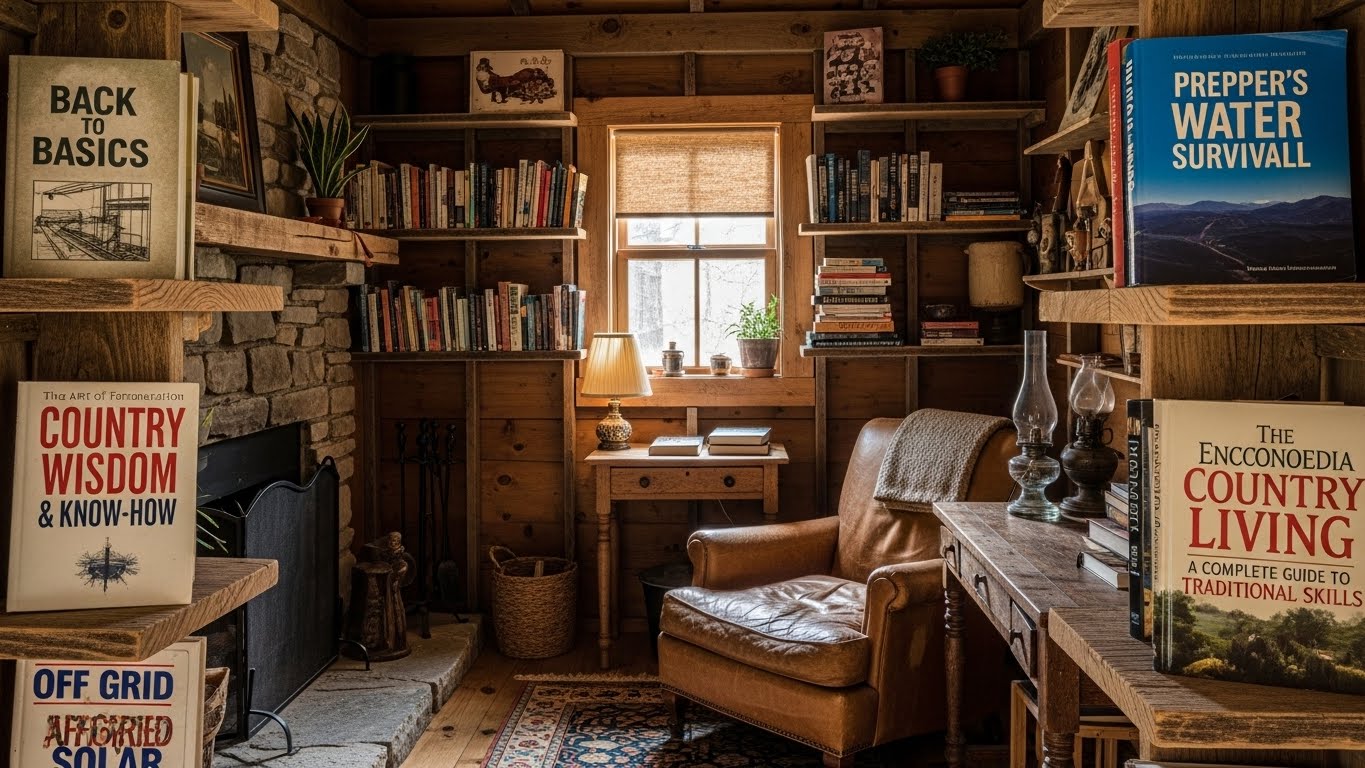
If you’ve felt the pull of living closer to nature, disconnecting from city systems, and building a more self-reliant life, you’re in good company. Off-grid living is more popular and possible than ever, but making the leap takes more than just determination. Reliable information and practical guides really make a difference. I’ve spent countless hours reading about off-grid setups, trying out DIY projects, and learning from other folks who’ve gone off the beaten path. Over the years, a handful of books, eBooks, and online resources have made off-grid living less intimidating, and even more inspiring.
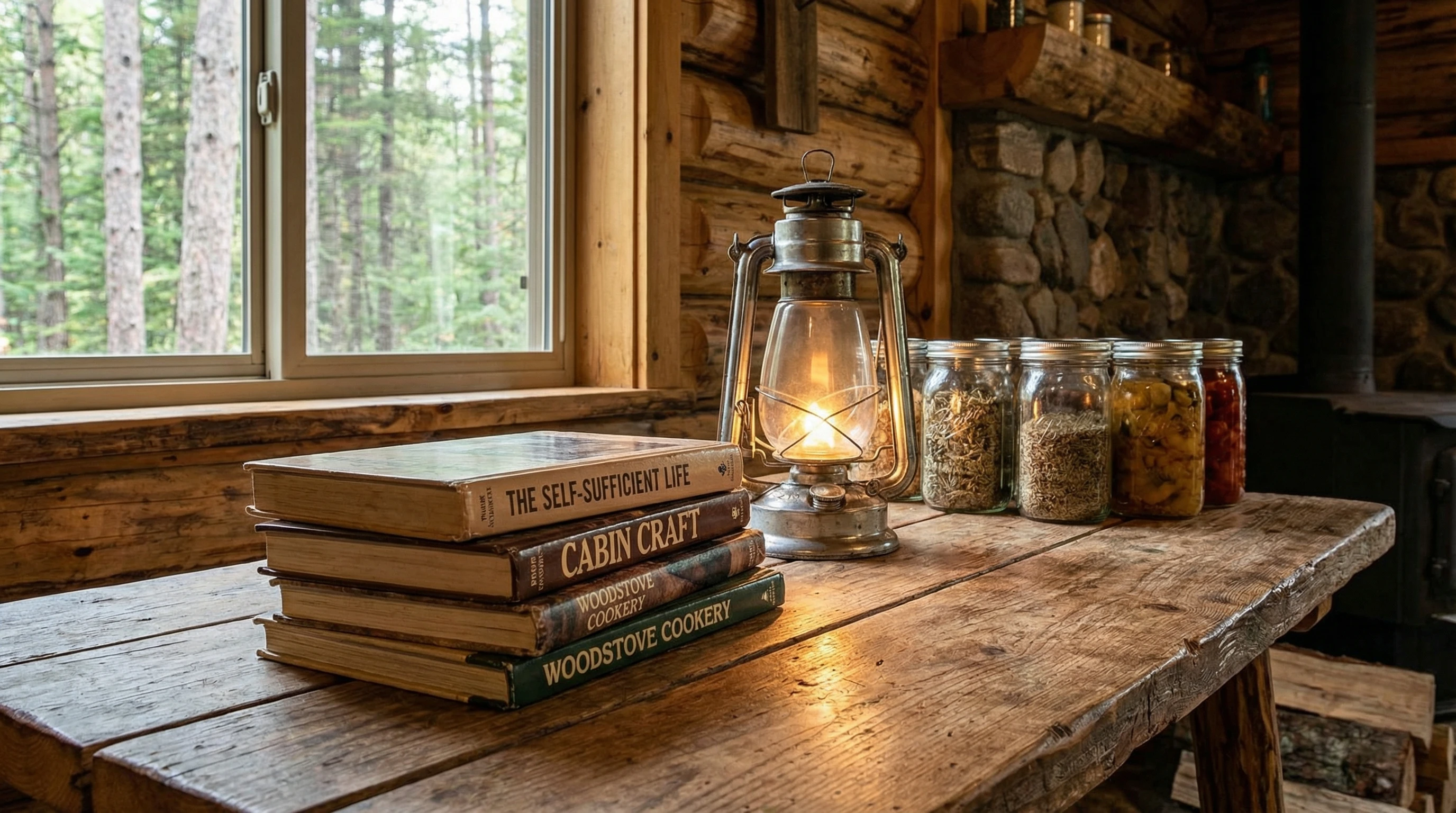
Why an Off-grid Library Matters
Going off-grid comes with a steep learning curve. From choosing the right solar panels to storing food safely or figuring out how to dig a well, reliable information can save you from expensive mistakes. Connecting with the wisdom in these resources is like having a mentor by your side. Some off-grid books offer tried and true step by step guides, while others offer encouragement and perspective. Both are super useful, especially when you’re knee deep in mud trying to fix your water line.
My Picks: Off Grid Books Worth Owning
The Encyclopedia of Country Living by Carla Emery
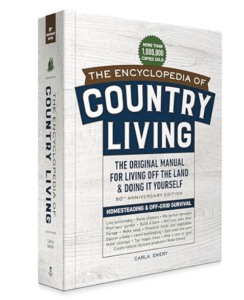
This massive compendium is my go to for just about any homestead problem. There’s guidance on growing food, raising animals, making soap, building barns—you name it. It’s full of friendly advice and firsthand knowledge that’s super relatable.
OVER 1 MILLION COPIES SOLD: The 50th anniversary edition of the classic manual for sustainable living—with 900+ pages covering basic country skills and wisdom for living off the land!
🛒 Buy on Amazon
Back to Basics: A Complete Guide to Traditional Skills by Abigail Gehring
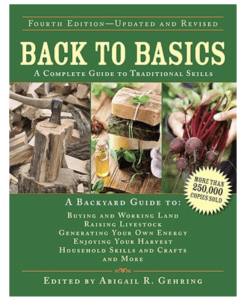
Explains core skills for self sufficiency, like gardening, preserving food, making furniture, and using hand tools. The photos and illustrations are really easy to follow.
Over 200,000 copies sold—fully updated! Dye your own wool, raise chickens, make your own cheddar cheese, build a log cabin, and much much more.
🛒 Buy on Amazon
Off Grid Solar: A Handbook for Photovoltaics with Lead Acid or Lithium Ion Batteries by Joseph P. O’Connor
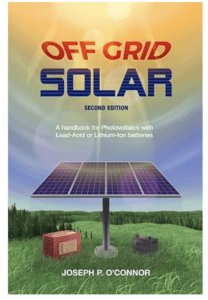
Breaking down solar in plain English, this book covers design, sizing, installation, and battery maintenance. I found it helpful even with no electrical background.
Off Grid Solar, a reference guide for builders of solar and battery projects.
🛒 Buy on Amazon
The Self Sufficient Life and How to Live It by John Seymour
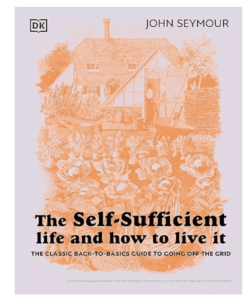
This classic makes offgrid life both approachable and rewarding. Seymour covers everything from crop rotation to cider making with a positive and patient tone.
🛒 Buy on Amazon
The Resilient Gardener by Carol Deppe

A super practical resource for growing food when things aren’t perfect (bad weather, limited tools, or low energy). Focuses on high value crops and adaptive gardening strategies.
“The Resilient Gardener is so essential, timely and important, and I will recommend it to everyone I know. It doesn’t matter if you garden or if you don’t-this is practical wisdom good for humans to know.”—Deborah Madison, Author of Local Flavors and Vegetarian Cooking for Everyone
🛒 Buy on Amazon
Country Wisdom & Know-How by Storey Publishing
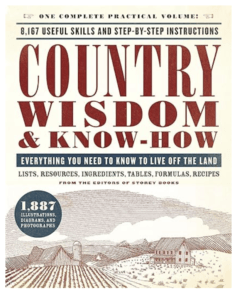
Hundreds of country living tips packed into one big volume. From beer brewing to ice house building, the old school wisdom in here is great for DIYers.
Country Wisdom & Know-How is the most complete volume on every aspect of country and self-sustained living, from home and garden to barn and beyond.🛒 Buy on Amazon
The Prepper’s Water Survival Guide by Daisy Luther
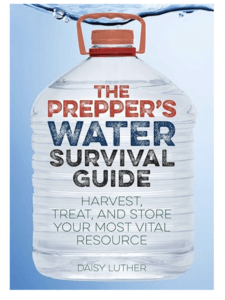
Clean, safe water is really important for off-grid life. This book covers filtration, purification, rainwater collection, and what to do if your well goes dry.
Leave no source of water untapped in this life-saving guide to harvesting rainwater, utilizing greywater, and preparing your home with a variety of storage options and extraction methods to make your family entirely self-sustainable.
🛒 Buy on Amazon
Where There Is No Doctor by David Werner

This practical medical guide is relied on in off-grid and remote communities around the world. I keep a copy on hand for emergencies.
🛒 Buy on Amazon
The Art of Fermentation by Sandor Ellix Katz
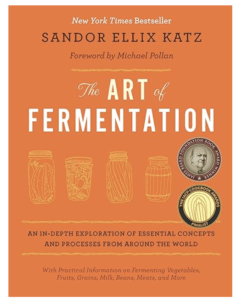
Getting more out of homegrown produce is key, and this detailed book covers fermenting everything from sauerkraut to cheese and yogurt.
The most comprehensive guide to do-it-yourself home fermentation ever published, with more than a quarter million copies sold!
Named by The New York Times as one of the 25 most influential cookbooks from the last 100 years, and with a foreword by Michael Pollan
🛒 Buy on Amazon
One Man’s Wilderness by Richard Proenneke

This one always motivates me on tough days. It’s a real life account of building a cabin by hand in remote Alaska. Full of determination, mishaps, and beautiful moments.
Winner of the National Outdoor Book Award.
Celebrating the 50th anniversary of when Dick Proenneke first broke ground and made his mark in the Alaskan wilds in 1968, this bestselling memoir features an all-new foreword by Nick Offerman plus color photographs not seen in print for over 20 years.
🛒 Buy on Amazon
Useful Online Resources and eBooks
Print books aren’t the only option. I use a mix of downloadable PDFs, blogs, and specialized forums to keep learning. Some you might want to bookmark:
- Permies.com – Loads of real life questions, answers, and project journals for permaculture and off-grid tinkering.
- BuildItSolar.com – Step by step DIY guides for solar water heaters, off-grid lighting, and more.
- The Homesteading Handbook (eBook) – Written for beginners, covering gardening, animals, and home skills.
- The Prepared – Practical prepping and survival information, with gear reviews and howtos for real life situations.
Quick Guide: Building Your Off-grid Bookshelf
Creating a solid off-grid library takes some strategy. Here’s how I go about it:
- Start With the Basics: I recommend getting a couple of core books (like “Encyclopedia of Country Living” and “Back to Basics“). These answer most questions about day to day offgrid chores.
- Add Special Topics: Once the basics are covered, pick up books on solar, water, or permaculture according to your needs (“Off Grid Solar” and “The Prepper’s Water Survival Guide” are good places to start).
- Keep a Mix of Print and Digital: Print books are handy when there’s no electricity, but storing digital guides on a solar charged tablet is pretty smart, too, especially for detailed instructions with color diagrams.
- Write in Your Books: I scribble notes, improvements, and reminders in the margins. It helps me track what actually works on my property versus what looked easy on paper.
- Swap and Share: Swapping books with friends or neighbors often brings me perspectives I’d never considered. It’s also a good way to build community in places where off-grid life can feel a bit isolated.
Common Questions About Offgrid Books and Learning
How do I avoid information overload?
Pick just one or two books in the beginning and actually use them. Trying out a handful of ideas from each book, rather than trying to absorb everything at once, helped me focus and reduce overwhelm.
Are eBooks or print books better for off-grid living?
I keep both. Print books work even when devices are dead or unreachable, but eBooks are easy to search and bring along during trips. If you have a solar charger, digital isn’t a bad option.
How current do my resources need to be?
Some skills never go out of date. Books on gardening, cooking, or animal care don’t change much. For solar, batteries, and tech, grabbing a recent edition or following newer online guides helps.
Extra Tips for Getting the Most From Off-grid Books
Not every book will suit your specific setup or climate, so I always look for resources that include real stories or advice for my climate zone. Reading widely and comparing options saves time and money in the long run. When something seems confusing or too good to be true, I usually turn to forums or YouTube channels to see how it works in real life.
- Test Before Committing Big: Whenever possible, I run small experiments (like trying out a new garden method in one bed before redoing the whole plot).
- Join a Local or Online Community: Sharing success stories, weird failures, and troubleshooting with others accelerates learning.
- Update Regularly: Every year or so, I look for new editions or add fresh resources to my library. Technology, especially in solar and batteries, changes quickly.
What Off-grid Learning Looks Like in Practice
Having a shelf full of books isn’t just about looking prepared. It’s about actually using them. There are quiet evenings when I’ll flip through old notes to doublecheck how to pressure can tomatoes. Other times, I’ll pull up a forum thread or a step by step solar wiring guide before starting a tricky job. The right mix of books, digital info, and real experience helps things run smoother, even when life off grid throws curveballs.
- Building up your own off-grid resource stack takes some time, but it’s worth checking out one book at a time until you feel confident troubleshooting and creating your own systems. Whether you’re planning a cabin in the woods or just dreaming about more independence, good books and reliable resources make the process a whole lot easier—and way more fun.
mportant Note:
This information is for educational purposes only.
This post may contain affiliate links. If you make a purchase through these links, I may earn a small commission at no extra cost to you.
Updated Feb 2026
© 2026, Teresa. All rights reserved.
Hi Teresa, this was a really thoughtful and practical resource list. I especially liked how you explained why an off-grid library matters, not just which books to buy. The way you broke things down into basics, special topics, and print vs digital made the whole idea feel much more manageable instead of overwhelming. I also appreciated the mix of technical books (like solar and water) with mindset and motivation reads like One Man’s Wilderness.
Quick question: if someone is just starting to learn about off-grid living (not living off-grid yet), which one or two books would you personally recommend reading first?
Hi there ????
Thank you so much — I’m really glad the list was helpful.
If someone is just starting out and not living off-grid yet, I’d suggest:
???? The Encyclopedia of Country Living–
It gives a solid overview of what self-sufficient living actually involves.
???? One Man’s Wilderness – This one is more inspiring and helps you understand the mindset behind the lifestyle.
One for practical knowledge, one for motivation. That combination makes a great starting point.