
If you’re prepping for emergencies, want to save money, or just like the peace of mind that comes with a stocked pantry, long term food storage is pretty handy. I’ve learned that keeping food fresh for years is less about mystery and more about solid planning. You really can keep quality food at the ready when you understand the basics and avoid common slip-ups. Here’s what you need to know to make long term food storage actually work.
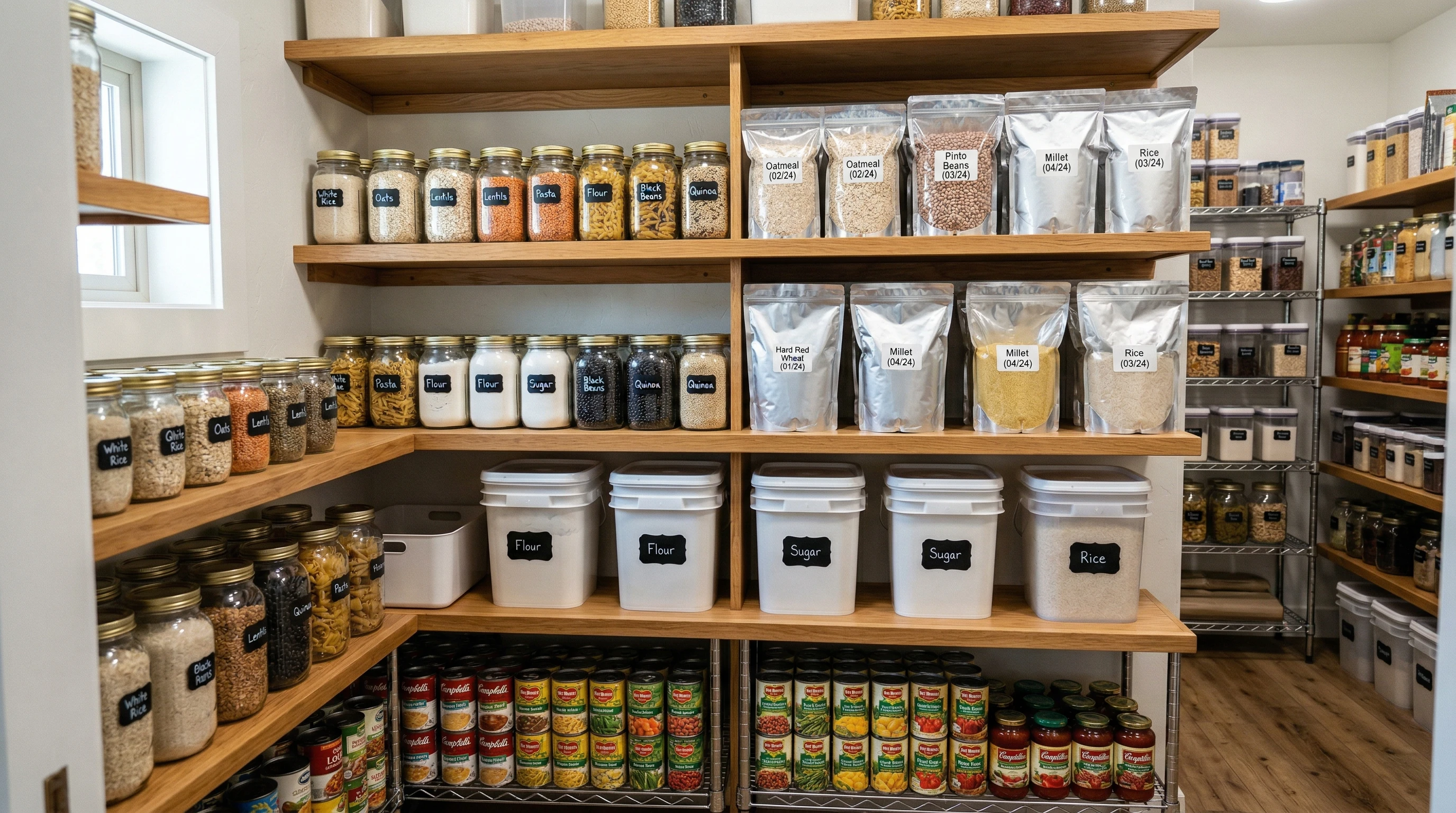
What Determines How Long Food Lasts?
Food shelf life depends on more than just the expiration date printed on the package. There’s a bunch of factors to consider, and knowing what can go wrong helps you avoid waste or disappointment.
- Oxygen: Oxygen causes spoilage and loss of nutrients. Most bugs that spoil food thrive in air, so removing as much as possible helps a lot.
- Light: Light breaks down food quality and vitamins. Storing food away from light keeps it good longer.
- Moisture: Damp conditions invite mold and bacteria. Keeping food dry means it stays fresh way longer than items stored in humid spots.
- Temperature: Warm temps cause fats to go rancid and let bugs multiply fast. Cool, steady temps are your friend for storage.
- Packaging: Airtight and well-sealed packaging protects food from air, bugs, and moisture.
If you want to keep food for the long haul, it matters where and how you stash it. A dry, dark, cool location with good packaging really makes a difference in how long food lasts.
Best Foods for Long Term Storage
Not every food is up for years sitting in the pantry. Some foods last a lot longer than others in long term storage. My go-to foods are pretty solid and don’t call for fancy prep.
- Grains: Rice (especially white rice), hard wheat, oats, and corn hold up for decades if stored right.
- Dried Beans and Lentils: Full of protein and can last for years.
- Pasta: Hard, dry pasta in sealed containers is a pantry classic that keeps its shape for a long time.
- Powdered Milk: A great way to store dairy that won’t spoil on you.
- Salt and Sugar: Both last just about forever if you keep out moisture.
- Honey: It crystalizes, but it doesn’t spoil. Just warm it up and it flows again.
- FreezeDried Foods: Lightweight and packed with nutrients, freeze dried fruits, veggies, and even meats are super helpful for the long run.
- Canned Foods: Not as long lasting as dry stuff, but many canned veggies, meats, and fruits are still OK to eat years after the best by date if stored well.
Stay away from foods with lots of oil (they go rancid fast) and anything that spoils quickly or needs to stay cold all the time. Keeping it simple pays off in long term storage.
How to Store Food for Maximum Shelf Life
Using the right storage method really gives a boost to shelf life and keeps your investment safe from pests and spoilage. From my own trial and error, it’s worth knowing both the essentials and some smart tricks that make things easier.
Choose the Right Containers
- Mylar Bags: Add oxygen absorbers and these keep grains, rice, beans, and pasta fresh for years.
- Foodgrade Buckets: Buckets with good lids keep out pests and work great with mylar liners.
- Mason Jars: These are perfect for smaller amounts of dried foods and anything that’s sensitive to air or light.
- VacuumSealed Bags: Awesome for dehydrated foods, flour, and jerky. They push out all the air, sealing in freshness.
- Commercial Cans (#10 Cans): Prepacked by companies for 10 to 30 years shelf life; a smart option for bulk storage without DIY prep.
Store Food in the Right Place
- Keep food away from direct sunlight to prevent nutrients from breaking down.
- Try to hold storage temps near 50-70°F; basements or cellars work great for this.
- Avoid storing in places with lots of temperature changes or humidity.
- Keep food off the floor to stay safe from any water damage or pests.
Add Oxygen Absorbers and Silica Gel Packs
Oxygen absorbers pull out most of the air in sealed containers, and silica gel packs handle leftover moisture. These add-ons are super useful if you’re packing up your own bulk foods for storage. Using them can really stretch how long your food lasts.
Essential Long Term Storage Supplies
Long term food storage is so much smoother when you have the right tools ready. I keep a little kit just for storage days with these basics:
- Mylar bags (a few sizes, depending on what needs sealing)
- Foodgrade buckets with tight lids
- Oxygen absorbers for different size containers
- Vacuum sealer with extra bags
- Measuring scoop for handling bulk food
- Permanent marker to label everything
- Mason jars with new lids
- Silica gel packets for small containers
- Bucket opener (for easier access to sealed buckets)
You don’t need the whole list to kick things off, but having these handy really speeds up your prep and helps cut down on waste. As you get into things, you’ll find what works best for the foods you like to store.
Common Food Storage Mistakes
Food storage takes more than tossing dry goods in a bucket and forgetting them in the basement. I’ve watched good food go bad from classic mistakes. Here’s what to keep an eye out for:
- Poor labeling: Without a clear date or contents, it’s easy to lose track of what’s good. Mark each container with a date and description.
- Storing food with bugs inside: Insects love dry food. I freeze things like rice or flour for a few days before storage to get rid of hidden eggs or critters.
- Temperature swings: Heat in summer and freezing in winter chop shelf life by a lot. Try to keep food in one constant, cool spot.
- Putting food directly on the ground: Water leaks and pests are way more likely to reach food stored low. Shelves make a big difference.
- Forgetting to rotate: When food sits too long at the back, it spoils. Always use up the oldest first by moving it to the front.
- Not checking seals: A bad seal ruins even the best-packed food. Give lids and seals a quick double-check when you store and when you pull things out.
Small errors can cost you a lot, but staying sharp about labeling, rotation, and storage pays off with reliability and less waste.
Rotation Strategy (Simple and Practical)
Food storage only saves money and time if you actually eat what you’ve stored. From my own experience, it’s easy to stash away cans and grains and then have no idea what’s what. Here’s how I handle this so I’m not always digging through the pantry:
- First In, First Out (FIFO): Put newer food behind older stuff so the oldest always gets used first.
- Keep a List: Use a notebook or a basic inventory list to track what food is stored and spot items nearing expiration.
- Set Reminders: Set a calendar alert to look over your food every 6 or 12 months.
- Plan Meals with Storage in Mind: Pick a few meals each month that use your stored items, especially when something’s nearing end of life.
Rotation makes a real difference and is less work than you might expect. Using up what you’ve stored means your food stays fresher, tastes better, and you don’t end up tossing out full bags at the end of the year.
Final Thoughts
Storing food for years is about making a few good choices and sticking to some easy habits. Whether you’re getting ready for emergencies or just want to make shopping easier, good long term storage brings a lot of peace of mind. It’s not just for survivalists either; anyone can set up a backup food plan and cut down on wasted trips to the store. If you’re aiming to have a steady supply of food that’s reliable, safe, and ready to use, these strategies and supplies are a great place to start. With just a little effort and some patience, you’ll be glad you took the step to prepare.
© 2026, Teresa. All rights reserved.