Off-grid living in the United States is growing fast—whether it’s in the desert Southwest, forested Appalachia, or open plains of the Midwest. It means disconnecting from public utilities and creating a lifestyle powered by independence, resilience, and smart sustainability.
Going off-grid doesn’t mean going without. It’s about harnessing natural resources, mastering DIY systems, and designing a life that blends comfort with self-reliance. From renewable power to rainwater systems, Americans across the country are proving that freedom and sustainability go hand in hand.
Why More Americans Are Going Off-Grid
People are drawn to off-grid life for many reasons: freedom from rising costs, a lighter footprint, or a desire to live closer to nature. Some crave quiet solitude, while others build thriving off-grid homesteads with community support.
Whatever the motivation, success starts with careful planning—understanding your region’s laws, resources, and environment. Off-grid living is more about preparation than isolation.
Getting Started: Steps to Build Your Off-Grid Lifestyle
-
Define Your Goals – Decide if you want full independence or a hybrid setup that keeps limited utility connections (like Wi-Fi or propane).
-
Choose the Right Location – Research U.S. states and counties friendly to off-grid living. Rural regions in Arizona, Missouri, Maine, Tennessee, and Montana are popular choices.
-
Shelter & Land – Check local zoning and building codes before buying land. Tiny homes, cabins, earthships, and container houses are excellent off-grid options.
-
Water Access – Consider drilling a well, using rainwater collection, or tapping a natural spring. Water purification is a must.
-
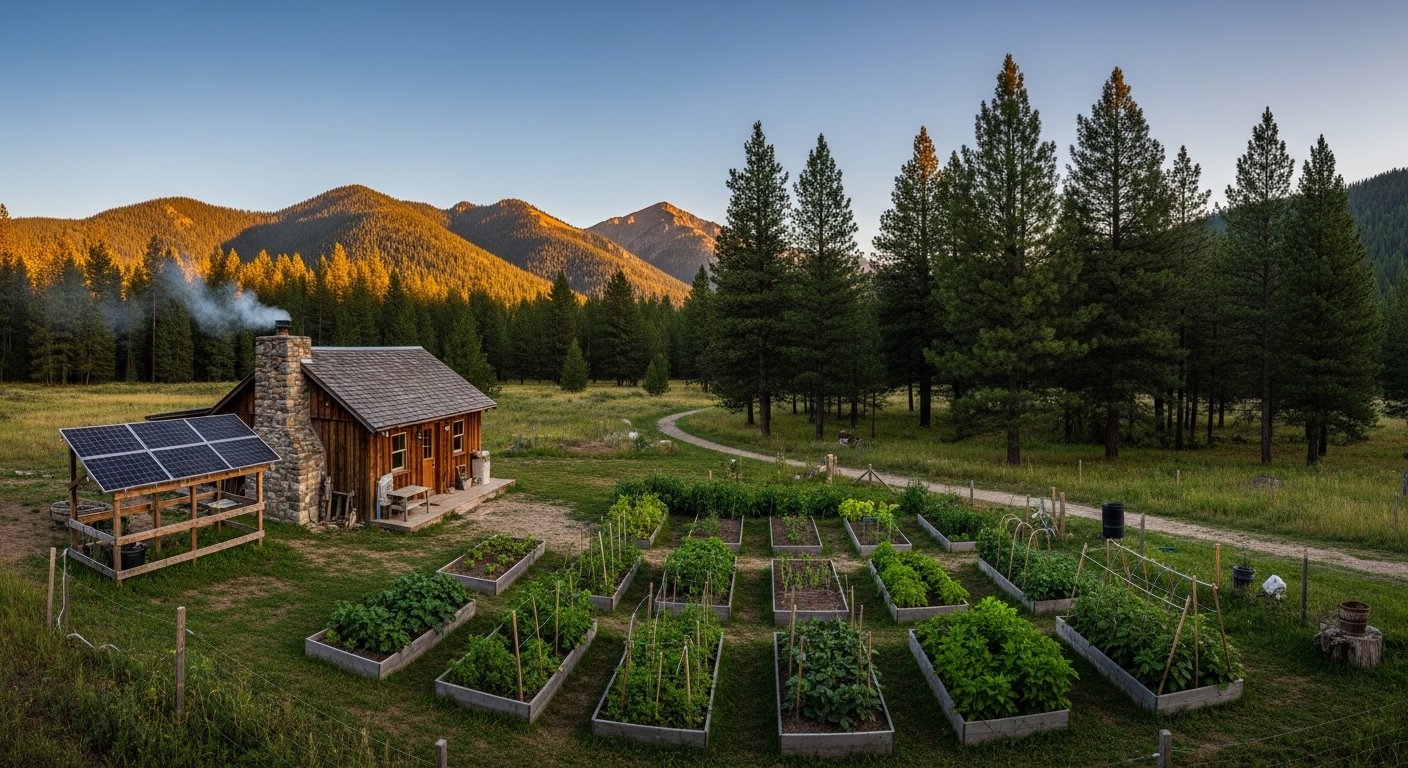
Food Production – Start small with raised beds, chickens, or greenhouse gardening. Preserve food through canning, drying, and fermentation.
-
Power & Heating – Invest in solar panels, wind turbines, or hybrid systems with reliable battery storage. Wood stoves remain a classic, efficient heat source.
-
Waste & Septic – Composting toilets, greywater systems, and permaculture design help manage waste responsibly and legally.
Building an off-grid life in the U.S. is achievable one step at a time—start with your essentials, then expand as skills and confidence grow.
Regional Considerations: The United States at a Glance
America’s geography makes off-grid life diverse and rewarding:
-
Southwest: Excellent solar exposure; ideal for solar arrays and passive cooling designs.
-
Northwest: Abundant rainfall supports hydro and rainwater systems, but requires moisture control.
-
Midwest: Fertile land perfect for homesteading, though winters call for strong insulation.
-
Northeast: Great for small forest homesteads and wood heating. Plan for seasonal temperature swings.
-
Southeast: Warm, humid climate supports year-round growing but demands pest control and ventilation.
Choosing the right region for your off-grid lifestyle depends on your comfort level, skills, and long-term goals.
Power Solutions for Off-Grid Homes
Energy independence is the cornerstone of off-grid success. In the U.S., these renewable systems lead the way:
-
Solar Power: The most popular choice—clean, scalable, and increasingly affordable.
-
Wind Turbines: Ideal for wide, open landscapes or coastal areas.
-
Micro-Hydro Power: If your property includes running water, small turbines can supply steady electricity.
-
Hybrid Systems: Combining solar, wind, and hydro ensures year-round reliability.
Battery storage, inverters, and smart-energy management now make full-time off-grid power more attainable than ever.
The Benefits of Off-Grid Living
Living off-grid in the U.S. offers countless rewards:
-
Freedom & Self-Reliance: You control your power, food, and water.
-
Sustainability: Renewable energy and permaculture living reduce waste and carbon emissions.
-
Financial Stability: After setup costs, you enjoy lower living expenses and energy independence.
-
Health & Well-Being: Clean air, quiet surroundings, and outdoor living enhance physical and mental health.
-
Community Connection: Across America, off-grid networks share resources, knowledge, and friendship.
Ultimately, going off-grid means crafting a simpler, more meaningful life—closer to nature and aligned with your values.
Important Note:
This information is for educational purposes only.
This post may contain affiliate links. If you make a purchase through these links, I may earn a small commission at no extra cost to you.
Updated Feb 2026
© 2025 – 2026, Teresa. All rights reserved.