Gardening & Greenhouse Growing Off-Grid
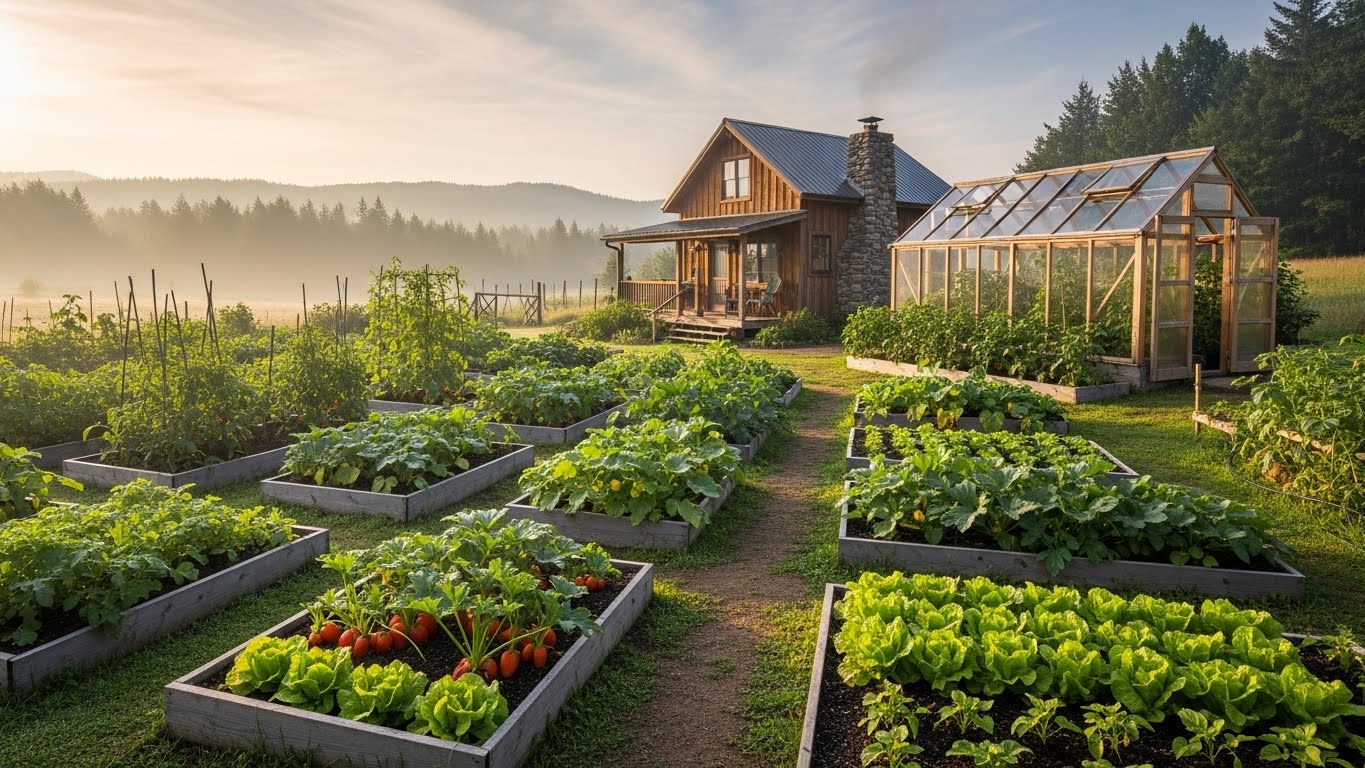
Growing food off-grid means working with nature, not against it. Short seasons, poor soil, and unpredictable weather can be overcome with planning and smart techniques. Off-grid gardens often rely on organic methods, soil-building practices, and simple infrastructure to produce reliable harvests.
Organic Gardening Basics
- Companion planting
- Crop rotation
- Composting for soil health
Seed Starting & Planning
- Starting vegetable seeds
- Garden layout plans
- Extending the growing season
Greenhouse Growing Off-Grid
Greenhouses help off-grid growers protect crops, extend seasons, and improve food security in challenging climates.
- Underground greenhouse builds
- Roofing options
- Cold-climate growing strategies
Related Gardening & Greenhouse Guides
Explore practical off-grid gardening techniques, greenhouse solutions, and food-growing strategies designed for self-reliant living:
- Companion Planting Chart for Healthy Gardens
- Starting Vegetable Garden Seeds Successfully
- Vegetable Garden Layout Plans for Off-Grid Growing
- Extend Your Vegetable Growing Season Naturally
- My Underground Greenhouse: Design and Lessons Learned
- Greenhouse Roofing Options for Cold Climates
- Learn How to Make Compost for Your Garden
- Off-Grid Solar Grow Lights for Greenhouses: What Actually Works
- Best Vegetables To Grow In An Off-Grid Garden (High Yield Crops)
🌱 GARDENING & GREENHOUSE — FAQ
Q: Can you grow a productive garden off-grid?
A: Yes. Many off-grid gardeners grow productive gardens using organic methods, careful planning, and season-extension techniques.
Q: What vegetables grow best in off-grid gardens?
A: Hardy crops such as potatoes, squash, carrots, garlic, beans, and leafy greens are commonly grown off-grid.
Q: How do greenhouses help off-grid living?
A: Greenhouses extend the growing season, protect plants from weather, and allow food production in colder climates.
Q: How can gardeners extend a short growing season?
A: Techniques include greenhouses, cold frames, row covers, mulching, and starting seeds early.