
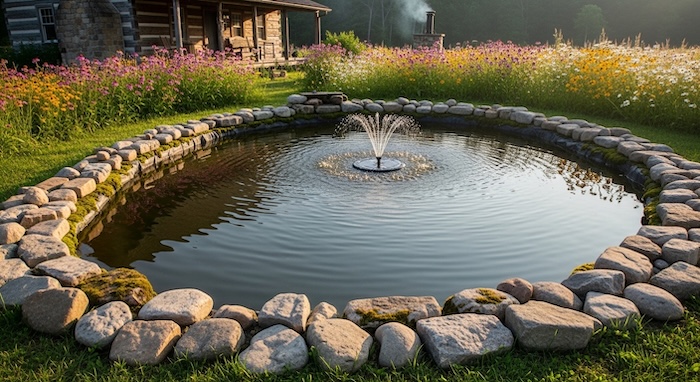
How to Build a Low-Maintenance Water Feature That holds up over time
Ponds and fountains offer a unique way to add beauty and function to any outdoor space, even if you’re living completely off-grid. I’ve always found these water features to be both relaxing and surprisingly practical, and over time I’ve realized they can do a lot more than just decorate your property. With the right planning and a little creativity, it’s entirely possible to enjoy the sights and sounds of moving water without ever needing to tap into the power grid, which makes them a perfect fit for off-grid living.
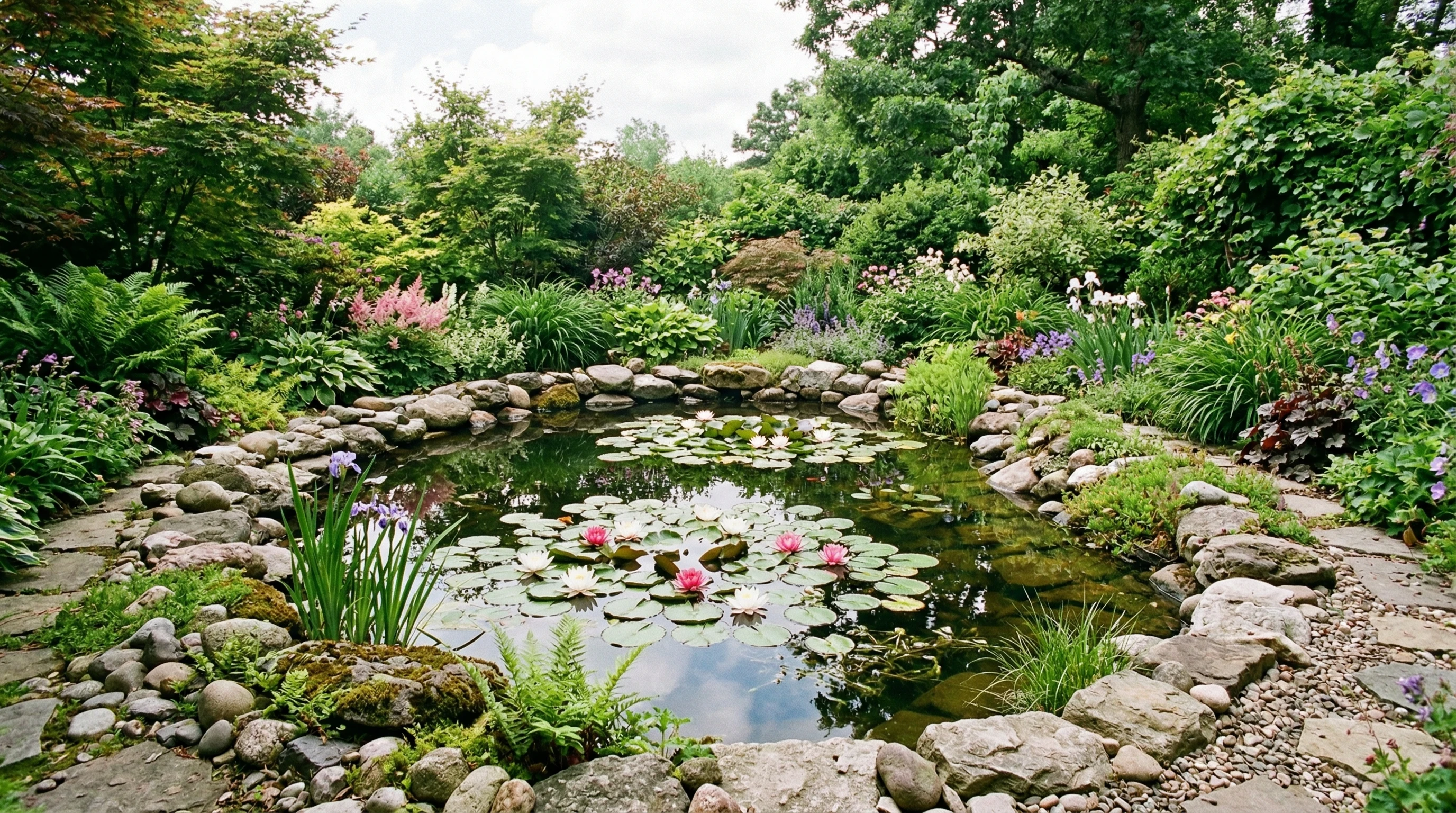
🌊 Why Choose an Off-Grid Pond or Fountain?
It’s easy to think of ponds and fountains as just decorative extras, but when you’re living off-grid, they can actually become one of the more useful features on your property. I’m always a little surprised by how much even a small pond or solar-powered fountain can improve the space—not just visually, but functionally as well.
For one, a pond can double as a backup water source, especially if you’re already collecting rainwater. In fact, if you’re setting up systems like that, it pairs really well with a pond setup— you can see how that ties together in my guide on rainwater collection and water systems
There’s also the cooling effect, which is something you don’t really notice until you sit near a pond on a hot day. The evaporation from the water helps cool the immediate area, and even a small setup can make a difference during the peak of summer.
Then there’s the wildlife. Once you add water, you’ll start seeing birds, frogs, dragonflies, and all kinds of beneficial insects showing up. It creates a small ecosystem that sort of takes care of itself over time.
And in drier areas, there’s even a practical safety angle. A pond can act as a fire backup water source, which is something more and more off-grid property owners are starting to think about. We have a fire pump located close to our pond.
🪨 Popular Off-Grid Water Feature Styles
There are quite a few different ways to add water to your space, and the best option really depends on how much room you have and how much work you want to put in upfront.
Container ponds are probably the easiest place to start. Something as simple as a half wine barrel or a large tub can be turned into a small pond, and these work especially well on decks, patios, or spots where digging just isn’t practical.
In-ground ponds take a bit more effort, but they give you a much more natural look and allow you to create a larger, more stable ecosystem over time.
Solar fountains are one of my favorite options because they’re so simple. You can literally drop one into an existing pond or basin and instantly get movement and sound without running power.
👉 If you’re curious what those look like, you can check out simple solar fountain pumps here, and you’ll see how easy they are to set up.
Wildlife ponds are a bit different—they focus more on habitat than appearance, using gentle slopes, rocks, and native plants to attract beneficial animals.
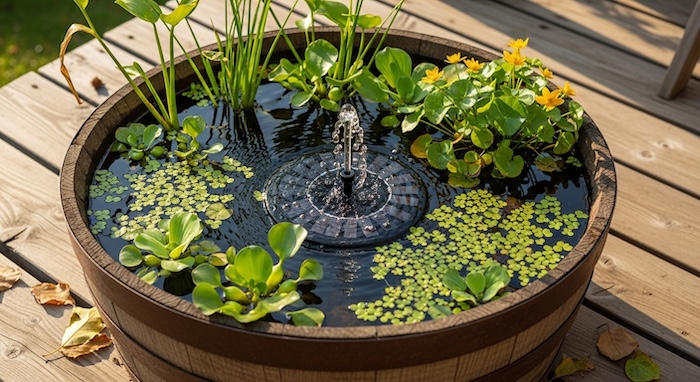
Each of these styles has its own benefits. Container ponds are simple and beginner-friendly, solar fountains add movement and sound almost instantly, and in-ground ponds give you the ability to build something that becomes part of your land over time. With the right mix of plants and placement, even a small setup can feel like a completely different space.
🛠️ How to Build a Simple Pond: Step-by-Step
Building a pond might sound like a big project, but it really doesn’t have to be. I’ve found that keeping things simple from the start usually leads to better results and less maintenance later on.
Start by picking a spot that gets about 4–6 hours of sunlight a day, but not full sun all day long, since that can lead to algae problems. It’s also worth avoiding areas directly under trees, because falling leaves can quickly build up in the water.
Once you’ve got your spot, lay out the shape using a rope or garden hose. Irregular shapes tend to look more natural and blend better into the landscape.
When you dig, aim for about 18–24 inches deep, and if you’re in a colder climate, it helps to include one slightly deeper section. Adding a shallow shelf around the edges makes it easier to place plants later on.
Lining the pond is one of the most important steps. A good liner will save you a lot of headaches down the road.
This is where I always recommend using a durable EPDM pond liner so you don’t end up dealing with leaks later.
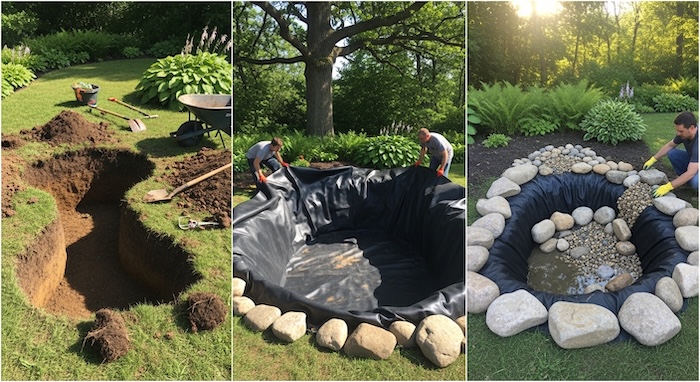
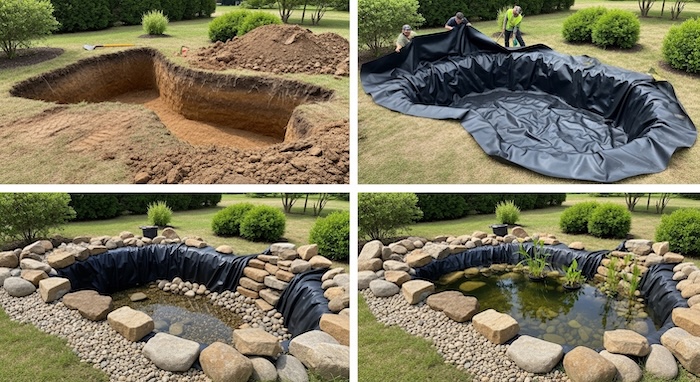
Once the liner is in, you can fill the pond using rainwater or a clean water source. If you’re already collecting water, this is where everything ties together nicely—you can refer back to your rainwater collection setup here.
At this point, you can also add movement if you want it. While it’s optional, I’ve found it makes a big difference in keeping the water fresh.
A small solar water pump or fountain kit is usually enough for most setups and doesn’t require any wiring.
Finally, add your plants and give the pond a few days to settle before adding anything else.
☀️ Solar Fountain and Pump Ideas
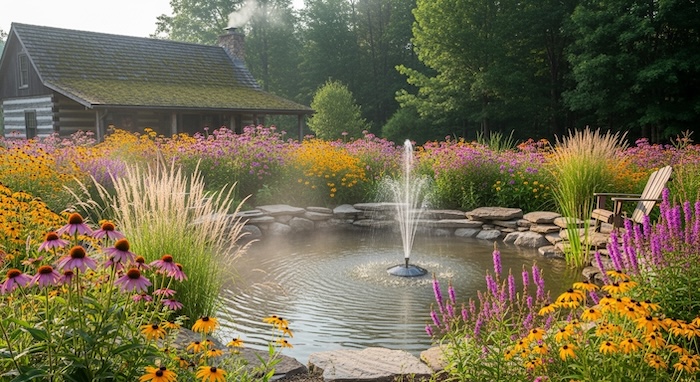
Adding movement to your pond off-grid is actually one of the easiest parts now, thanks to how far solar options have come.
You’ll find a wide range of setups depending on what you need, and it’s worth browsing a few to get a feel for what fits your space.
You can take a look at solar pond pump kits here , which cover everything from small fountains to larger circulation systems.
Floating solar fountains are great for small ponds and move around with the sunlight, while submersible pumps give you a bit more control over flow and direction.
If you’re in an area that gets a lot of cloud cover, it’s worth looking into a solar fountain with battery backup, since it will keep things running more consistently (insert Amazon link – solar fountain with battery).
💧 Keeping Pond Water Clean Without Electricity
One of the biggest concerns people have with off-grid ponds is how to keep the water clean without relying on filters or electricity, but this is actually where natural systems really shine.
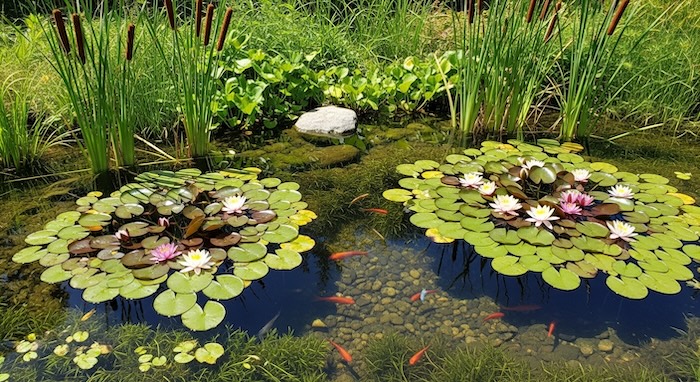
Plants do most of the heavy lifting. Floating plants like lilies provide shade, submerged plants help oxygenate the water, and marginal plants around the edges pull nutrients out before algae can take over.
Water movement also plays a role. Even a small fountain can improve oxygen levels and reduce stagnation.
Natural filtration happens through gravel and rock surfaces, where beneficial bacteria break down organic material over time.
You can also help things along manually by removing debris.
A simple pond skimmer net makes it easy to scoop out leaves before they start breaking down in the water.
🦟 Mosquito Control for Off-Grid Ponds
Mosquitoes are one of the biggest concerns with any pond, especially off-grid where you’re not using chemical treatments.
The good news is they’re easy to control.
Water movement alone goes a long way, since mosquitoes prefer still water for laying eggs.
For extra protection:
You can drop mosquito dunks directly into the pond to stop larvae without harming wildlife. We use these and mosquito bits. They work better than I thought they would.
And if you want a full breakdown of what works, you can read my guide on off-grid mosquito control solutions
Encouraging frogs and dragonflies also helps keep things balanced naturally.
🌱 Best Plants for Off-Grid Ponds
One of my favorite parts of adding a pond is choosing the plants. The right mix not only makes the pond look great, but it also keeps everything balanced with very little effort.
Floating plants like water lilies and duckweed help shade the water, while marginal plants like cattails and marsh marigold add structure and attract wildlife.
Submerged plants such as hornwort and anacharis work below the surface to keep the water oxygenated and clean.
⚠️ Common Mistakes in DIY Ponds and Fountains
Some of the most common issues I’ve seen come down to a few simple mistakes—making the pond too shallow, not adding any water movement, placing it in full sun all day, or overcomplicating things with chemicals.
In most cases, a simple, natural approach works better long term, especially off-grid.
🌿 Final Thoughts
Ponds and fountains can completely change the feel of your property, but they’re also far more practical than most people expect. With a simple setup, natural filtration, and a few solar-powered tools, you can create something that not only looks great but actually works with your environment instead of against it.
Content on this site is for informational purposes only and reflects personal experience and research. Gardening results can vary based on climate, soil, and growing conditions. Some links may be affiliate links, which help support this site at no additional cost to you.
© 2026, Teresa. All rights reserved.