
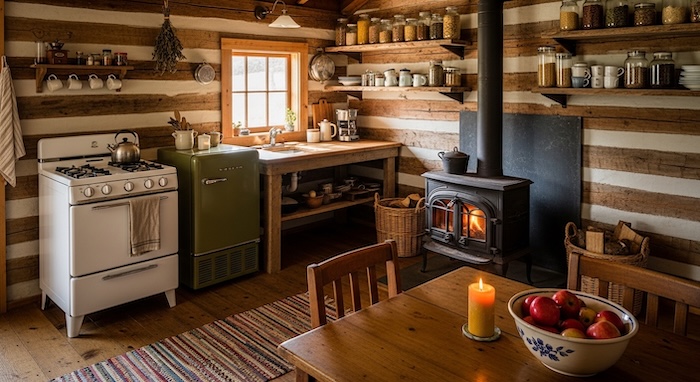
Off-grid living appeals to people looking for independence from the power grid—whether that’s a cozy cabin or a growing homestead. Choosing the right off-grid appliances plays a huge role in making this lifestyle work.
Whether you’re going fully solar or just unplugging for a while, having appliances that don’t drain your system—and can work without a traditional plug-in—makes all the difference.
In this guide, I’ll walk through practical, real-world options for off-grid washers, dryers, refrigerators, freezers, stoves, and more.
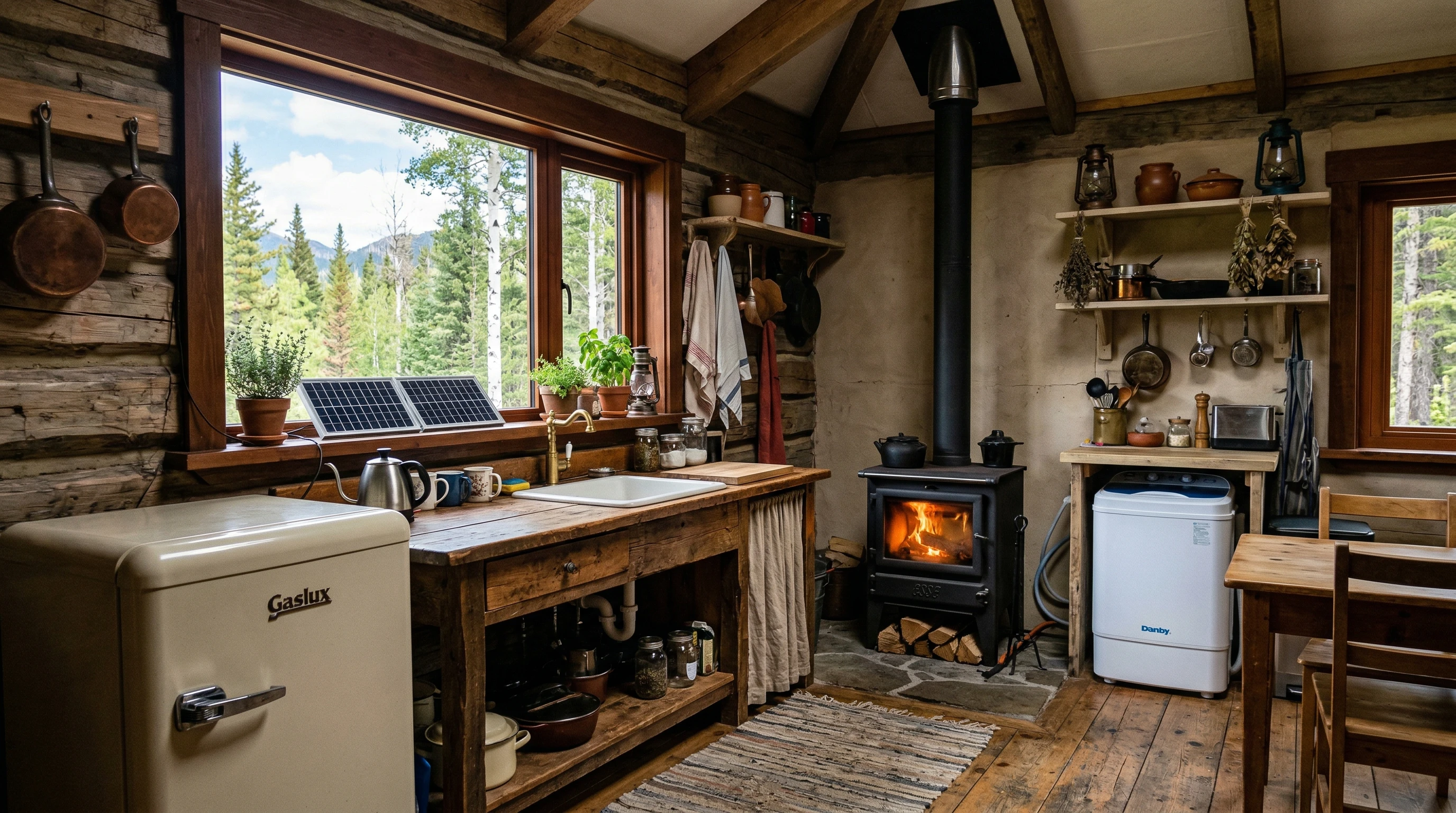
Why Choose Off-Grid Appliances?
Appliances designed for off-grid living are built to run efficiently and reliably where electricity isn’t always available.
Standard appliances draw a lot of power and expect a steady voltage—which just isn’t realistic with solar, wind, or battery systems.
Off-grid appliances focus on:
- Low energy use
- Alternative fuels (like propane or wood)
- Simpler, more repairable designs
This means:
- Better food storage
- Cleaner clothes
- Easier cooking
- Less strain on your power system
If you’re planning your full system, this pairs well with my guide on Off-Grid Power Options for Cabins and Homesteads
Over time, efficient appliances can cut down on your energy needs dramatically—often by more than half—reducing the size and cost of your solar setup.
The Basics: Finding the Best Off-Grid Appliances
Every appliance someone brings off-grid directly impacts their energy needs and daily comfort. Focusing on models that use less power or run on gas, wood, or manual labor keeps things running smoothly. Here’s how to break down what’s worth having, what to skip, and how to keep things practical for everyday living.
- Energy Source: Solar, propane, wood, diesel, and manual powered units all have their advantages. Matching the appliance to what’s most reliable for the location makes life a lot easier, especially in remote areas.
- Efficiency: Off-grid often means small-scale. Appliances that do a lot with a little—using less water, less fuel, or less power—are much better for batteries and solar panels. Look for conservation features, such as thick insulation, eco modes, or timer functions.
- Repairability: Fancy electronics don’t fare well far from city repair shops. Sticking with simple, rugged designs means less to break, and DIY fixes are possible. Manuals, spare parts, and basic tools can keep key appliances running for years.
- Size and Capacity: Smaller models use less power, but it’s important to balance that with what is needed day to day. A family might need a bigger washer, but solo off-gridders can often get by with compact options.
Fridge and Freezer Options for Off-Grid Living
Keeping food cold off-grid can be one of the biggest challenges. Electric fridges use compressors that can wipe out a battery bank super quickly. Here’s what’s worth checking out and what makes sense for different setups:
- Propane Refrigerators: A long-time off-grid favorite, these use absorption cooling instead of compressors.
A popular choice is a propane refrigerator, known for reliability in cabins and RV-style setups. The main downside is needing regular propane deliveries or storage, but they prove reliable and safe for long-term use.
- 12V/24V DC Fridges: Made for use with solar setups, these fridges plug right into battery banks. Brands like Dometic and Sundanzer are well-known in the off-grid community. They use much less power than AC fridges and are built with energy-saving insulation and efficient components. There is also now available a Solar-Powered Large- Capacity cold Storage Room, Customizable Cooler Freezer, for larger off-grid places.
- Chest Freezers: Upright freezers lose a lot of cold air when opened. Chest freezers are much more efficient and work even better with smart thermostats or by converting to DC power. This setup drops running costs and works well for bulk food storage.
- Root Cellars: Not technically an appliance, Not an appliance—but incredibly effective if for cool storage is an old-school trick that’s super effective for many foods like root vegetables, apples, and more.
If you’re interested in using natural cooling instead of relying on appliances, I put together a full guide on how to build and use one here: Root Cellar Food Storage Guide.
Regular maintenance, like defrosting and cleaning vents, helps to keep these working at their best. Storing food efficiently by packing them tight also makes more of that cool air stick around, saving power and protecting supplies.
Washing Machines and Dryers Off the Grid
No one wants to hand scrub all their laundry, but full-size washers draw a lot of power. Off-grid setups need something that is lighter on resources. Some good options include:
- Manual or Handcranked Washers: Simple and convenient, these are lightweight, a great example is the WonderWash Hand-powered washer. Great for light loads and as a backup when solar is low due to weather.
- Compact Electric Washers: Some models use a fraction of the energy and water of regular machines. The one I use is a Giantex Portable Washing Machine, and it works very well for us.
- Propane-Powered Clothes Dryers: These offer fast drying with no electrical needs but require venting and a steady propane supply.
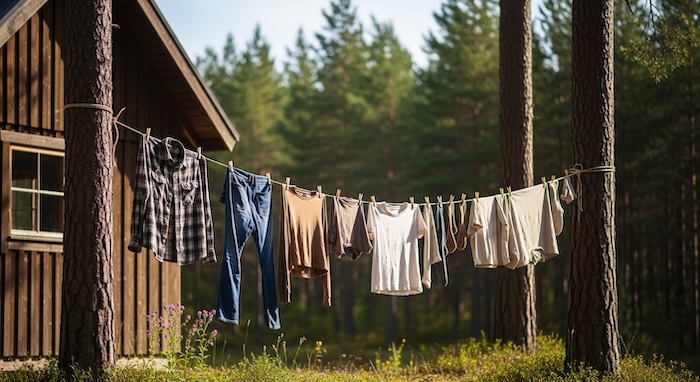
- Solar Air Drying: Lines and racks outdoors are still tough to beat for getting things dry. Using outdoor air saves a ton of battery life and is always ready when the weather’s nice. This is the option we use. I use a clothes line outside as well as drying racks that can be used inside in the winter.
Off-griders often use natural or homemade soaps that break down easily in septic systems, which is another advantage of this lifestyle.
Stoves, Ovens, and Cooking Options
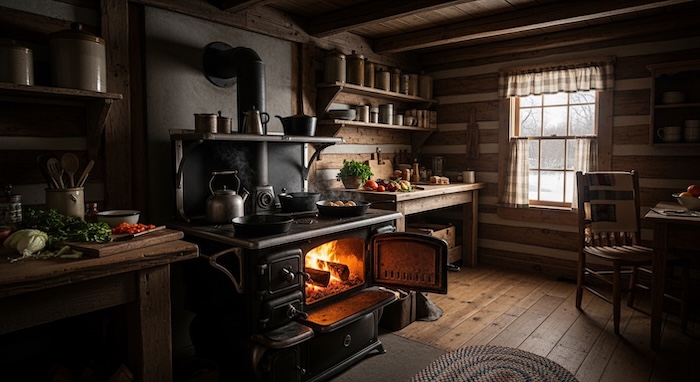
Cooking food off-grid goes way beyond a campfire or an old woodstove. There are many choices now, each with upsides depending on what’s available locally and what suits your cooking style.
- Propane Ranges and Ovens: Common in off-grid houses and cabins, they’re fast to light, provide quick control of temperature, and propane stores safely for months at a time. A propane range for off-grid cabins is one ot the most practical kitchen upgrades.
- Woodstoves: Classics for a reason. They double as a heat source, last for decades, and burn everything from cordwood to scrap. Some models include baking compartments or water heating coils, which make them even more useful. If you’re using one, you may want to read Wood Stove Safety: What to Know Before You Burn.
- Solar Ovens: On sunny days, solar ovens can bake bread, cook stews, or even roast coffee. They’re a great way to save on fuel and enjoy slow-cooked meals—even turning chores like canning into a fun event.
- Portable Cooktops: Butane or alcohol burners pack up small and are perfect as a backup or for supplementing a main stove when cooking for a crowd. They’re inexpensive and widely available. These cookstoves are also great for camping.
Tip: regular maintenance, like cleaning stove pipes, checking seals, and keeping fuel dry, makes appliances safer and longer lasting.
Heating and Cooling Without the Grid
Staying comfortable off the grid is about clever planning as much as good gear. Heating can use up alot of energy, so the best results come from strong insulation and smart appliance choices tailored to your climate.
- Woodburning Furnaces and Stoves: Not only do these provide solid heat, but they also make great central gathering spots. Pellet stoves are another clean-burning option if pellets are available locally. We burn wood with propane backup as wood is readily available while we clean up the property. Our Wood stove is very similar to this one.
- Propane Wall Heaters: Low-profile and easy to use, these offer quick heat without draining batteries. This is our backup heater for when we are away or when we get really cold weather and need a little more heat. We have a similar smaller unit in our guest cabin.
- Mini Split Heat Pumps: If you have a decent solar array, certain efficient heat pumps can both cool and heat on a low draw. They’re quieter, safer, and perfect for well-insulated small homes or cabins.
- Passive and Natural Cooling: Cross ventilation, ceiling fans powered by inverters or DC motors, and plenty of shade go a long way toward beating summer heat. Reflective window covers and partial earth berms help, too.
Draftproofing and insulating your home or cabin can make everything the appliances do work that much better. It’s pretty amazing how comfortable a place can stay when every bit of heat or cool air is kept inside.
Frequently Asked Questions
Question: What’s the most reliable fridge for off-grid use?
Answer: Propane fridges are extremely reliable and have been the go-to choice for decades. If you have a solid solar setup, a 12V compressor fridge is also very efficient and performs well year-round.
Question: How do people dry clothes without a dryer off-grid?
Answer: Outdoor clotheslines and indoor drying racks work well for most of the year. Good airflow helps clothes dry even indoors during rainy weather. A propane dryer is another reliable, low-electricity option if that’s more practical for your setup.
Question: Are there off-grid dishwashers?
Answer: There aren’t many options, as traditional dishwashers use a lot of water and power. Some compact countertop models can work with a larger solar system, but most off-grid households rely on hand washing since it conserves both water and energy while still getting the job done.
Question: How do off-grid appliances affect solar and battery needs?
Answer: Low-power or alternative-fuel appliances reduce the number of solar panels and batteries needed, which helps keep costs down. Planning ahead and choosing properly sized appliances for your household makes your energy system much easier to manage.
Extra Tips for Smoother Off-Grid Living
Off-grid appliances work better with a bit of know-how—both in choosing the right gear and using it day to day. Here’s what has helped me and others I know make everything run smoother and last longer:
- Keep backup parts like fuses, igniters, and belts on hand, since stores might be hours away
- Go for appliances with manual overrides or that can run directly off DC if you use solar
- Check local suppliers for propane or wood to avoid the hassle and expense of long delivery hauls
- Read product reviews written by other off-grid folks. Many brands offer models specifically built for remote locations
- Stay on top of cleaning and preventive maintenance to stretch out the lifespans of appliances and get the most out of your investment
Picking the right off-grid appliances isn’t only about saving power. It means more comfort, less stress, and a smoother daily routine. Efficient gear, mixing power sources, and knowing how to make the most of every appliance around the house makes off-grid living not just practical, but often genuinely enjoyable too.
Disclosure:
This post may contain affiliate links. If you purchase through these links, I may earn a small commission at no extra cost to you. I only recommend products that are useful for off-grid living and that I would use myself.
Safety Note:
Off-grid appliances often involve propane, wood heat, or alternative power sources. Always follow manufacturer instructions and local safety regulations when installing and using any appliance.
© 2026, Teresa. All rights reserved.